
Who is Not a Good Candidate for PRP?
You’ve probably read that PRP can reduce pain and help you avoid surgery. That sounds promising, especially if you’ve tried other treatments without relief. But PRP isn’t right for everyone, and pushing forward is not safe for your health.
Specific health conditions make someone ineligible for PRP. These include:
- Bleeding disorder
- An active infection
- Blood cancer
- Undergoing anticoagulation therapy
These conditions prevent your platelets from working as PRP requires, so the therapy won’t deliver ideal results.
This guide breaks down exactly who should skip PRP and why. Knowing where you stand helps you make a smarter, safer choice for your health.
What Is Platelet Rich Plasma Therapy?
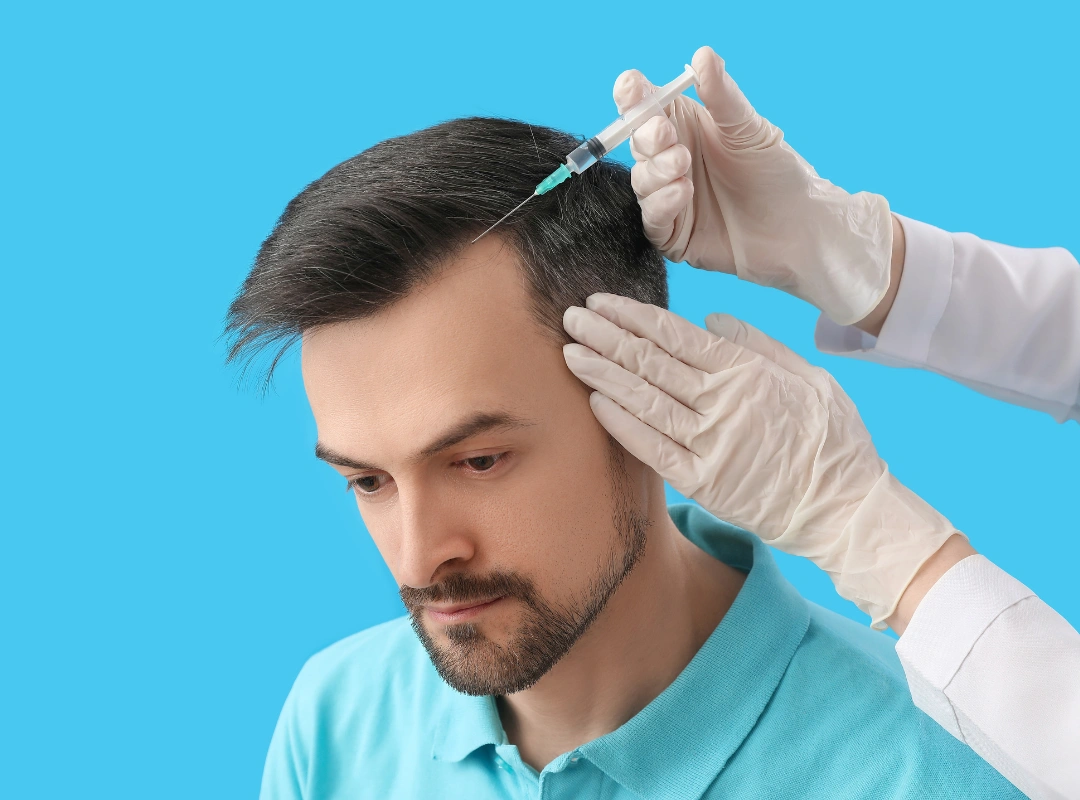
Platelet-rich plasma therapy uses your own blood to trigger your body’s natural healing process. A small sample is drawn, then spun in a machine to separate the parts. Many patients also want to understand the potential risks before treatment, so it’s worth reviewing the common side effects of PRP injection.
This spinning removes most red blood cells and concentrates the platelets in the plasma. The result is a fluid packed with growth factors that support tissue regeneration. Doctors inject this concentrate into injured areas, such as a sore knee or a torn tendon. The growth factors then stimulate the body’s tissue repair process at the injection site.
PRP therapy is a popular tool in regenerative medicine. People use it for joint pain, tennis elbow, and osteoarthritis when conservative treatments stop working.
How the Healing Process Depends on Your Platelets
Your platelets do more than help with blood clotting; they release proteins that signal damaged tissue to rebuild itself.
When platelet-rich plasma PRP is injected, those signals kick the healing process into a higher gear. White blood cells and growth factors work together to reduce inflammation and repair tissue.
If your platelets don’t function well, the entire treatment falls apart. That’s why your medical history matters so much before any PRP injections. Understanding platelet function also helps explain the effectiveness of PRP for hair growth and why patient selection plays such an important role in treatment outcomes.
Who Is Not a Good Candidate for PRP Therapy?
Several specific groups should avoid this advanced therapy. Let’s go through each one and explain the reason behind it.
Patients Undergoing Anticoagulation Therapy
If you take blood thinners like warfarin, your blood clotting is controlled medically, but not cured. This is great for preventing strokes, but bad for PRP.
Anticoagulation therapy stops platelets from concentrating and activating properly. Without active platelets, the plasma can’t release enough growth factors to promote healing. This will affect the success rate of the PRP treatment.
Some patients can pause these medications before PRP treatment, thinking it will not make any difference. But that decision belongs to your doctor, not you. Never stop blood thinners on your own.
People With Bleeding Disorders
Bleeding disorders like hemophilia affect how your blood clots and how platelets form. These same medical conditions interfere with PRP at the most basic level.
If your body can’t produce or use platelets normally, PRP can’t work. The treatment depends entirely on a healthy platelet supply from your own blood.
Anyone With an Active Infection
An active infection is a clear reason to delay PRP injections. Injecting into or near an infected area can spread bacteria deeper into the tissue.
PRP also recruits white blood cells, which your body already needs to fight the infection. You should clear any infection completely before considering treatment.
Patients With Cancer or Metastatic Disease
Growth factors help healthy tissue, but they can also feed abnormal cells. This makes PRP risky for anyone with cancer or metastatic disease.
The same signals that repair your tendon could potentially encourage tumor growth. Because of this uncertainty, most doctors avoid PRP in active cancer patients.
People Taking Anti-Inflammatory Medications
Regular use of anti-inflammatory medications like ibuprofen can block PRP’s effects. PRP works by triggering controlled inflammation that signals tissue repair. Anti-inflammatory drugs cancel out that signal.
Your doctor may ask you to stop these medications for a week or two before treatment. At Skin Artistry Clinic, Dr. Faiqa Chaudhry, MD, reviews your full medication list before scheduling any procedure.
Who Is a Good Candidate for PRP?
A good candidate for PRP shares a few key traits.
You’re likely a strong candidate if you:
- Have good overall health with no blood or immune disorders.
- Suffer from mild to moderate osteoarthritis, knee pain, or tennis elbow.
- Have tried conservative treatments without enough relief.
- Want to reduce pain and possibly avoid surgery.
- Are not pregnant or fighting an active infection.
Younger patients often respond well because their healing process is naturally stronger. That said, older adults can still benefit, especially those not yet ready for joint replacements.
Many qualified candidates also ask whether PRP really thickens hair when exploring PRP’s applications beyond orthopedic and regenerative treatments.
Setting Realistic Expectations
Most people need more than one session to feel a real difference. The treatment supports your body’s natural healing process over weeks, not days.
Some injuries respond beautifully. Others, like severe joint damage that already needs replacement, won’t improve much from injections alone.
This is exactly why a proper evaluation matters. Dr. Faiqa Chaudhry, MD, will assess whether PRP is appropriate for your specific condition or whether another approach makes more sense.
How to Find Out If You’re a Candidate for PRP
The only reliable way to know is a professional consultation. During your visit to the Skin Artistry Clinic, Dr. Faiqa Chaudhry checks your medical history, current medications, and symptoms. They’ll explain whether this regenerative treatment is suitable for you.
If you’re considering PRP treatment for joint pain or a stubborn tendon injury, book a consultation with Skin Artistry Clinic. A clear answer beats guessing every time. PRP can be a smart, surgery-free option for the right person. If you have any questions, book a consultation with Skin Artistry clinic or visit our clinic at 3189 Danville Blvd, Suite #245, Alamo, CA 94507.
FAQs
Q1: Are 3 sessions of PRP enough?
A: Three PRP sessions are often enough to start seeing results for many conditions. However, treatment needs vary. Some patients improve after three sessions, while others benefit from additional treatments.
Q2. What can go wrong with PRP?
A: PRP may cause temporary soreness, swelling, bruising, or redness at injection sites. Rare complications include infection or nerve irritation. Risks increase when treatment is performed without proper screening.
Q3. Is PRP 100% safe?
A: No medical treatment is completely risk-free. PRP is generally safe because it uses your own blood, but side effects and complications remain possible, especially in unsuitable candidates.
Q4. Is there anything better than PRP?
A: It depends on your condition. Severe joint damage may respond better to surgery, while some patients benefit from physical therapy, corticosteroid injections, or hyaluronic acid treatments instead.
Q5. Why choose Skin Artistry Clinic for PRP treatment?
A: Dr. Faiqa Chaudhry, MD, personally evaluates your medical history, medications, and symptoms before recommending PRP. This thorough screening helps ensure treatment is appropriate for your condition.