
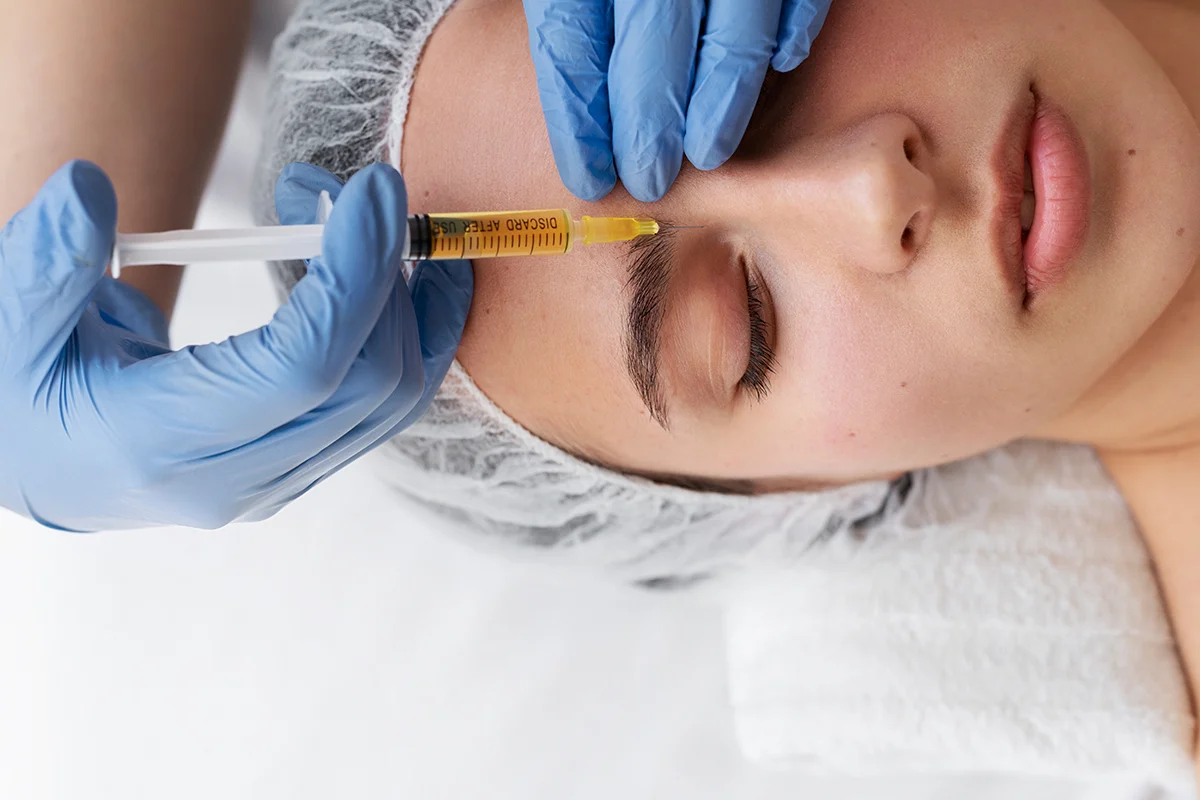

So here’s the thing—Platelet Rich Plasma injections sound kind of magical, right? But before you start romanticizing those little syringes, let’s talk about PRP side effects. Because just like that one friend who’s “mostly chill,” PRP can sometimes surprise you with swelling, bruising, and the occasional “what is that?” moment on your face. Here are some PRP treatments for face side effects.
1. Swelling After Platelet Rich Plasma Therapy
PRP injection causes an inflammatory response that produces localized swelling at the treatment site. This swelling typically reaches its maximum within 48 hours and then gradually dissipates over several days as the body repairs the injury.
Physicians can reduce swelling by administering controlled and gentle injections with smaller needles. They should also use ultrasound imaging to guide the procedure, ensuring that the injection is precisely targeted to avoid unnecessary trauma to red blood cells and white blood cells.
Patients who regularly engage in physical activities or have preexisting conditions may experience more swelling after receiving a PRP injection. Prescription painkillers and ice may help reduce inflammation and pain at the injection site.
2. Redness After Hyaluronic Acid Application
Platelet-rich plasma (PRP) treatment involves drawing a small blood sample and using it to concentrate the platelets. Tiny blood components are responsible for clotting and healing. Before injecting them directly into an injured area, where they help speed up natural healing processes.
Redness and swelling at the injection site following PRP treatment are normal parts of the inflammatory response and should subside within 48 hours. Cold compresses or over-the-counter pain relievers may help alleviate swelling and reduce discomfort.
If the redness and swelling do not subside within 48 hours after injection, contact your aesthetic physician immediately, as this could indicate a problem with the procedure. In some cases, hyaluronic acid may be introduced alongside PRP injections to enhance results and minimize side effects of PRP injections, but any persistent issues should still be promptly addressed by a healthcare provider.
Exploring treatments like PRP? You might also be curious about long-term solutions for hair removal. Learn more in our blog Can laser hair removal be permanent? and see how it compares to other cosmetic options.
3. Itching
PRP injections involve drawing blood from patients’ veins, so the injection site may become sore or bruised after receiving the shot. Furthermore, too much movement around or using it for running may aggravate it further.
Under certain conditions, blood clots may form near your injection site, depending on your history with blood clotting or taking blood-thinning medications. Since ultrasound guidance may cause damage to an artery or vein during PRP injections, this risk must also be considered.
Itching is an unavoidable side effect of needle treatments, but it typically resolves quickly. It happens because needles penetrate the skin and tissue layers. It should not be considered a serious PRP side effect. Among other side effects of PRP Injections, we have prepared a complete guide on whether PRP really thickens your hair or not.
4. Infection after Platelet Rich Plasma Injections
As with any procedure involving needles, there is always a risk of infection; however, with proper sterilization techniques and aftercare instructions in place, this risk should be minimal.
To mitigate possible PRP treatment side effects, patients should eat well, exercise regularly, avoid smoking and excessive alcohol use, and adhere to any aftercare instructions provided by their doctors. This is especially important for those undergoing PRP injections for conditions like knee osteoarthritis, as a comprehensive approach can enhance the effectiveness of regenerative therapy.
By maintaining a healthy lifestyle, you support the body’s natural healing process, promoting better outcomes from platelet-rich plasma (PRP) therapy.
5. Allergic Reaction & Blood Clots
Infection—the party crasher nobody invited. Even though PRP uses your own blood (which sounds safe enough), the whole process still involves needles and skin punctures. That means if things aren’t squeaky clean—like if your provider cuts corners on sterilization—you’re rolling the dice.
- Signs to watch: warmth, redness, pus, or worsening pain
- When to worry: if symptoms hang around or get worse after a few days
When receiving PRP injections, it is crucial to ensure that the procedure is conducted in a sterile environment to prevent infections that could compromise your immune system.
6. Bruising Side Effect After Platelet Rich Plasma (PRP)
It’s one of those “don’t say I didn’t warn you” side effects of PRP Treatment on face. PRP injections involve needles (sometimes several), so a little bruising is honestly par for the course. Especially if the treatment’s on your face or scalp, where vessels are closer to the surface.
- Why it happens: tiny blood vessels break during the injection
- How long it lasts: it usually clears up in a few days
- What helps: cold compresses, arnica gel, and not poking at it
Bruising can also be a side effect of PRP treatments on face, although this is minimized through careful injection techniques and ultrasound guidance. Before the procedure takes place, any potential allergies or blood-thinning conditions must be made known to the physician. Here’s a complete guide for you to understand how long these bruises can last.
7. Numbness on the Injection Site
Numbness in the area where an injection was given could indicate nerve damage; should this occur, seek medical advice immediately. In some cases, leukocyte-rich PRP may be used to enhance the healing process and tissue regeneration. However, it’s crucial to monitor any unexpected symptoms, as nerve damage could hinder recovery.
Attentive injection techniques with ultrasound guidance and professional experience from your practitioner can reduce risks from PRP injections. At the same time, it is crucial to remain aware of any wellness medications that might increase bruising or bleeding at injection sites.
8. Pain & Nerve Damage
Let’s be real; getting jabbed with needles isn’t exactly a spa day. Most people describe PRP pain as more of a dull ache or stinging during the injections, especially in sensitive areas like the scalp or under-eyes. It’s usually manageable, but it’s not nothing, either.
- During treatment: quick pinches, maybe a burning sensation
- After treatment: mild soreness or tenderness for 1–2 days
- Relief Tips: over-the-counter painkillers (if cleared by your provider) and a cold compress
Bottom line? It’s not unbearable, but don’t expect a pain-free experience. However, remember that PRP injections are designed to stimulate healing, so the temporary discomfort can lead to long-term benefits.
9. Hemorrhage
The procedure may cause pain, tenderness, and discomfort at the injection site for minutes to hours post-injection; usually, this responds well to over-the-counter painkillers. Rare face PRP side effects include hemorrhage that occurs if any blood vessel is punctured during this process, resulting in hemorrhage.
Platelet-rich plasma (PRP) can be created by drawing blood, spinning it in a centrifuge to separate its platelet-rich plasma components from other blood parts, and injecting this PRP directly into an injured area. This injection activates growth factors within the body to promote healing in muscles, tendons, ligaments, and joints.
Final Thoughts: Weigh the Risks, Reap the Rewards
PRP injections come with a few speed bumps—like swelling, redness, or bruising—but most of these side effects are temporary and easily managed. Always talk to your provider about your medical history to minimize risks and make sure platelet rich plasma therapy is the right fit for your skin or hair goals. If performed correctly, it can decrease the pain, and even promote hair growth.
Ready to Rejuvenate? Let’s Get You Glowing
At Skin Artistry Clinic, we take PRP therapy to the next level—with meticulous technique, a clean and safe environment, and personalized care tailored to your skin or scalp needs. Whether you’re chasing smoother skin, fuller hair, or faster healing, our team ensures your PRP therapy journey is as comfortable and effective as possible. Book your consultation today and let your body’s own power do the magic.