
PDGF Therapy in Alamo & Walnut Creek
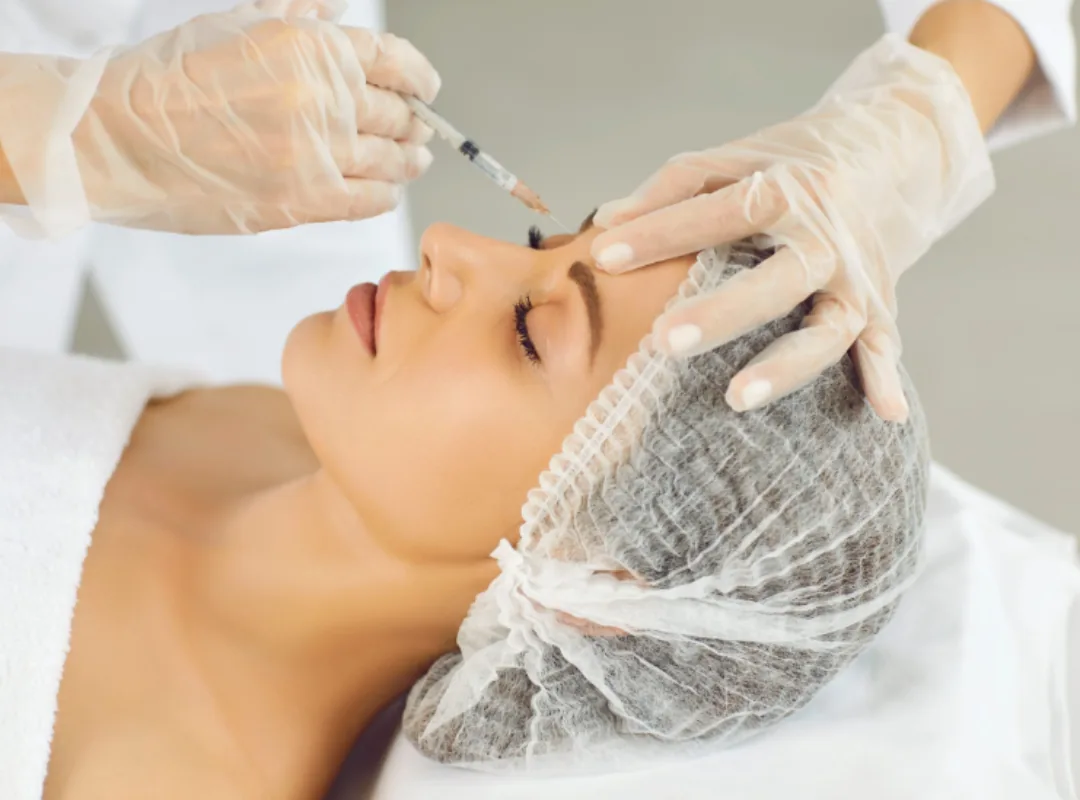
PDGF THERAPY
Ready to Restore Your Skin at a Cellular Level?
PDGF (Platelet-Derived Growth Factor) therapy delivers a concentrated dose of one of the body’s most powerful repair signals directly to the skin, accelerating collagen production, wound healing, and tissue renewal. At Skin Artistry Clinic in Alamo, Dr. Faiqa Chaudhry, MD, uses PDGF treatments to concentrate this growth factor and target skin repair and rejuvenation. Our med spa is located at 3189 Danville Blvd, Suite 245, Alamo, CA 94507, and serves Alamo, Walnut Creek, Danville, San Ramon, and the greater East Bay. To book a consultation with Dr. Chaudhry, call 925-404-4293 or request an appointment online.
PDGF at a Glance
- What It Is: A concentrated dose of platelet-derived growth factor, the body’s key signal for triggering tissue repair.
- What It Treats: Post-procedure recovery, fine lines, uneven texture, and skin laxity, often as a booster to microneedling or laser treatments.
- How It’s Delivered: Topical serum, driven in via microneedling, or by injection depending on the treatment plan.
- Results: Recovery benefits within days; skin quality improvements build over 3–6 weeks.
- Who Provides It: Dr. Faiqa Chaudhry, MD, at Skin Artistry Clinic in Alamo, CA. The clinic is open Tuesday to Friday from 10 AM to 5 PM, and Saturday from 11 AM to 4 PM.
How Does PDGF Help Renew the Skin?
PDGF is a naturally occurring protein released by platelets whenever tissue is injured. It’s one of the first signals the body sends to begin the repair process. It works by recruiting fibroblasts and stem cells to the site, prompting them to multiply and produce new collagen, elastin, and blood vessels.
While PDGF is present in whole-blood treatments like PRP and PRF, PDGF therapy refers to formulations that isolate and concentrate this growth factor specifically, delivered as a topical serum, through microneedling, or by injection, depending on the treatment plan. This makes it a useful complement where microneedling or laser has already breached the skin barrier, allowing better absorption, or as a standalone treatment to support healing and collagen turnover.
A summary of the published research on PDGF’s role in tissue repair is available through the National Library of Medicine’s PubMed database. See “Safety of Exogenous Recombinant Human Platelet-Derived Growth Factor-BB (rhPDGF-BB) for Medical and Cosmetic Applications: A Review” to learn more.
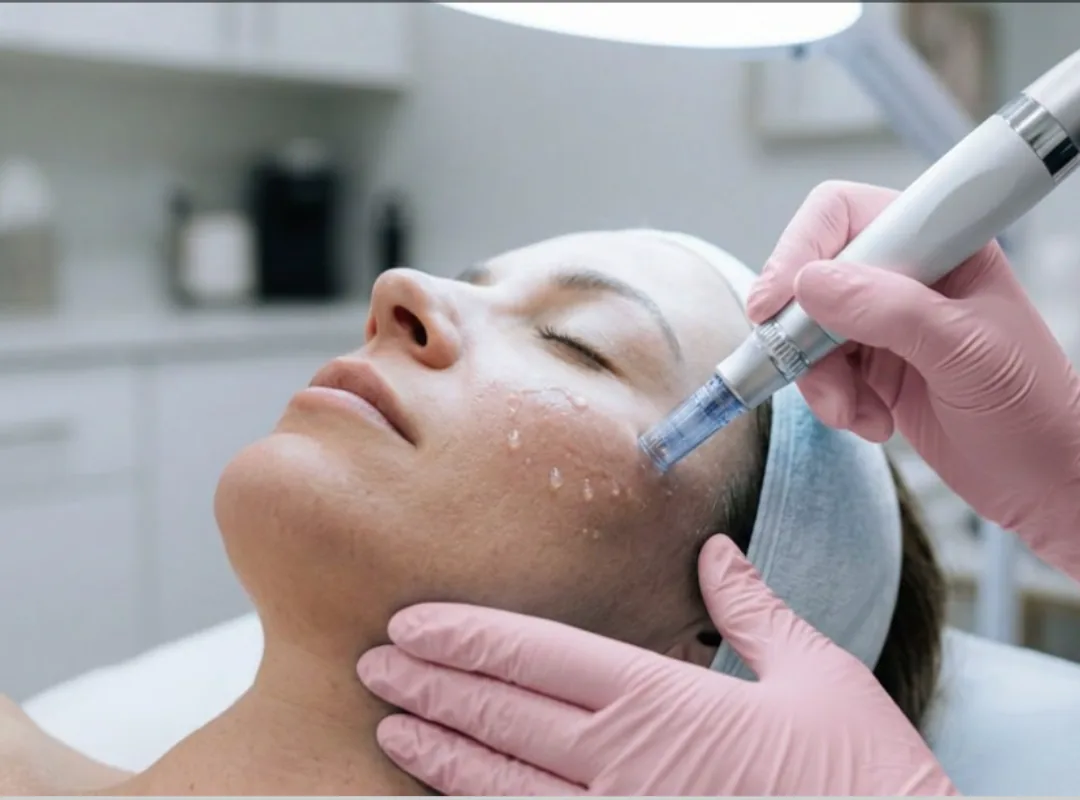
How PDGF Can Benefit Different Areas of the Skin
- Post-Procedure Recovery: Speeds healing and reduces downtime after microneedling or laser treatments.
- Fine Lines & Skin Laxity: Supports collagen and elastin production for firmer, smoother skin.
- Thinning Hair: May support follicle health when applied to the scalp alongside other hair-restoration treatments.
- Targeted Delivery: Concentrated formulation allows growth factors to be directed precisely where repair is needed.
- Uneven Texture & Tone: Encourages healthier tissue turnover, improving overall skin quality.
PDGF vs. Whole-Blood Treatments (PRP/PRF)
| Feature | PRP / PRF | PDGF Therapy |
|---|---|---|
| Composition | Full platelet & fibrin matrix | Isolated, concentrated growth factor |
| Source | Patient’s own blood draw | Concentrated serum or platelet-derived formulation |
| Delivery | Injection | Topical serum, microneedling, or injection |
| Onset | Gradual, multi-factor release | Rapid, targeted signaling |
| Best For | Broad regenerative treatment | Enhancing recovery & targeting collagen turnover |
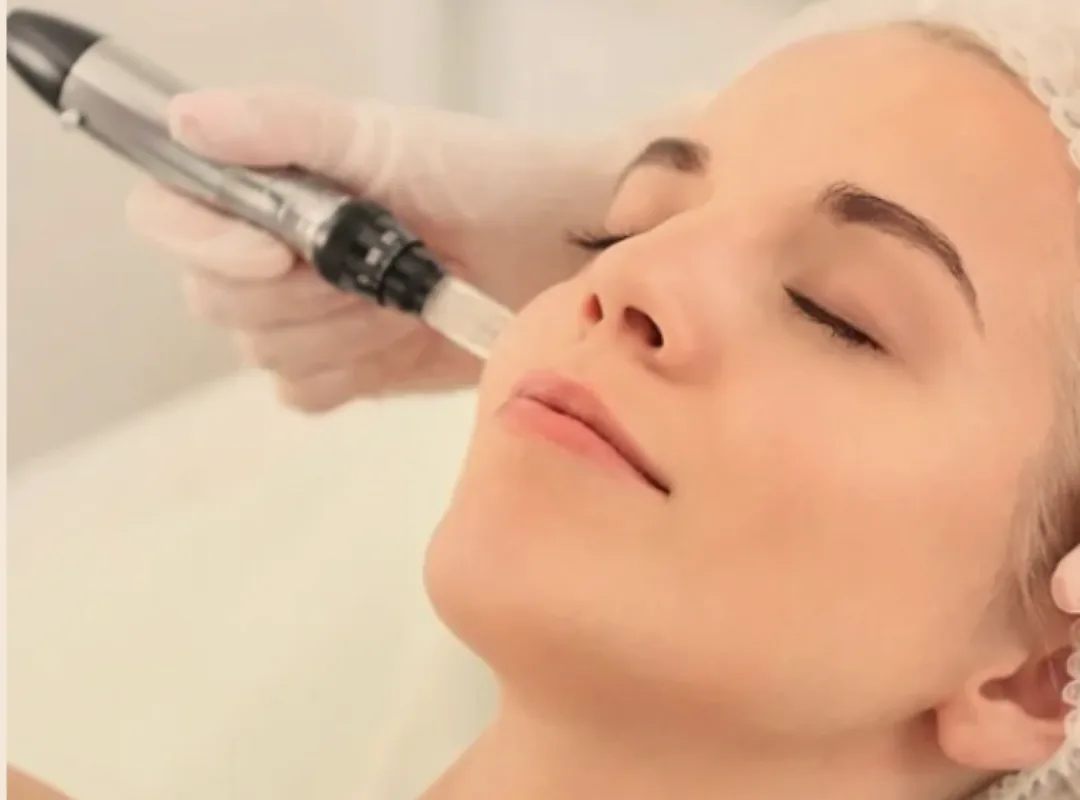
Your PDGF Treatment Experience at Skin Artistry Clinic
- Consultation: Dr. Faiqa Chaudhry reviews your skin concerns and determines whether PDGF works best on its own or paired with another procedure.
- Preparation: We cleanse your skin and apply a numbing cream if your treatment includes microneedling.
- Application: Dr. Chaudhry applies PDGF topically, delivers it through microneedling-created microchannels, or injects it, depending on the treatment plan.
- Aftercare: Simple guidance for the first 24–48 hours to support optimal absorption and healing.
Note: Injectable PDGF formulations are not currently FDA-approved as a standalone cosmetic injectable in the United States. Ask Dr. Chaudhry about the specific formulation and regulatory status of any product used in your treatment.
What to Consider Before Choosing PDGF Therapy?
PDGF therapy suits patients who want to accelerate results from another procedure, speed up healing time, or add a targeted collagen boost to their skincare routine, including those recovering from microneedling or laser treatments, dealing with early signs of aging, or looking for a lower-commitment option than a full PRP/PRF series.
PDGF isn’t recommended for those with active skin infections at the treatment site, active cancer or a history of certain malignancies, bleeding or clotting disorders, or those who are pregnant or breastfeeding. Your consultation confirms whether your skin condition and goals are a good match. Contact the team at Skin Artistry Clinic to book your appointment.
When Will You See PDGF Results?
- Days 1-7: Reduced redness and faster recovery when used post-procedure.
- Weeks 3-6: Visible improvement in texture and tone as collagen remodeling ramps up.
- Plan: Often used as an add-on with each microneedling or laser session, or as a standalone series of 3-4 treatments spaced 2-4 weeks apart.
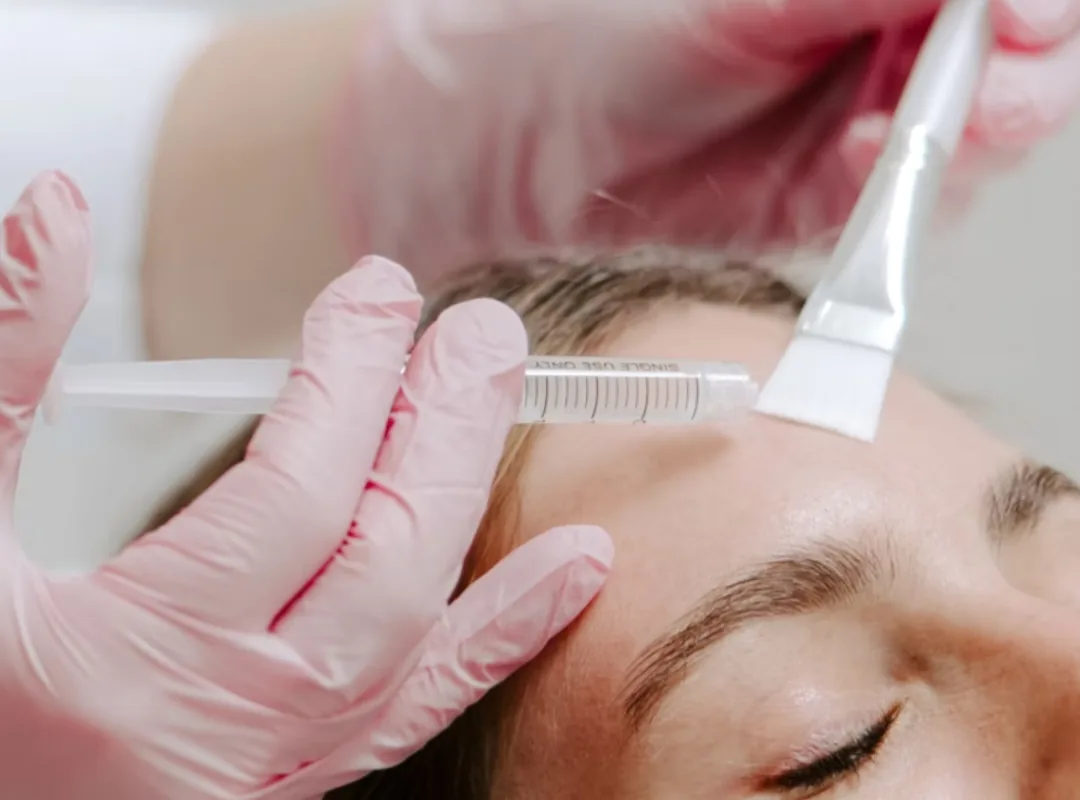
Why Choose Skin Artistry Clinic for PDGF Therapy in Alamo?
- Physician-Led: Board-certified physician Dr. Chaudhry personally performs every treatment.
- East Bay Location: Alamo-based, serving Walnut Creek, Danville, San Ramon, and beyond.
- Personalized: We match the growth factor approach- PDGF, PRP, PRF, or PDRN- to your specific skin goals.
Ready to get started? Schedule a consultation with Dr. Faiqa Chaudhry to find out if PDGF therapy is right for you. Contact us at 925-404-4293 or request an appointment online. Our med spa is open Tuesday to Friday from 10 AM to 5 PM, and Saturday from 11 AM to 4 PM.
Frequently Asked Questions
Here are the answers to some frequently asked questions about PDGF treatment.
Is PDGF better than filler?
They’re not really doing the same job, so “better” depends on your goal. Filler adds volume right away, like plumping up hollow areas or smoothing deep lines. PDGF doesn’t add volume. It helps your skin repair itself and make more collagen over time, so it improves skin quality and firmness. If you need volume, filler works faster. If you want healthier, stronger skin over time, PDGF is the better fit. Some people use both.
What is better, PDGF or PRP?
PRP uses your whole blood, so you get a broad mix of healing factors all at once. PDGF is one specific growth factor from that mix, concentrated and used on its own, either as a serum or added to another treatment like microneedling. PRP is more of an all-around treatment, while PDGF is more targeted and often used to boost or speed up another procedure. Neither is strictly better; they’re just used for different purposes.
How long does it take for PDGF to kick in?
If it’s helping you heal after a procedure like microneedling or laser, you’ll usually notice less redness and faster recovery within the first week. For skin quality improvements like better texture and tone, most people start seeing results in about 3 to 6 weeks as collagen builds up.
Is PDGF under eyes worth it?
It can help if your main concern is thin, tired-looking skin under the eyes rather than hollowness or volume loss. PDGF supports collagen and repair in that delicate area, which can improve texture and firmness over time. If the main issue is a deep hollow or shadow, a filler or PDRN might address that better. It’s worth discussing your specific concern at a consultation so the right treatment is picked.
How often do you get PDGF?
It depends on how it’s being used. As a booster with microneedling or laser, it’s typically done at each session. As a standalone treatment for skin quality, most people do a series of 3 to 4 sessions spaced 2 to 4 weeks apart, then a maintenance session every few months.
Does PDGF tighten skin?
It can help, but gradually and mildly, not like a tightening procedure such as a laser or ultrasound treatment. PDGF works by boosting collagen and elastin production, which can make skin feel firmer and more resilient over time. It’s better thought of as improving skin quality than as a dedicated tightening treatment.