
What Is the Success Rate of PRP Hair Growth?
Millions of people in the U.S. face hair loss, which can significantly impact their confidence. While solutions like topical treatments, medications, and surgery exist, PRP therapy stands out for its minimally invasive approach and growing popularity. Many want to know: what is the success rate of PRP hair growth, and is it a good choice? Let’s explain PRP treatment’s procedure, clinical results, and key factors that contribute to success. Keep reading!
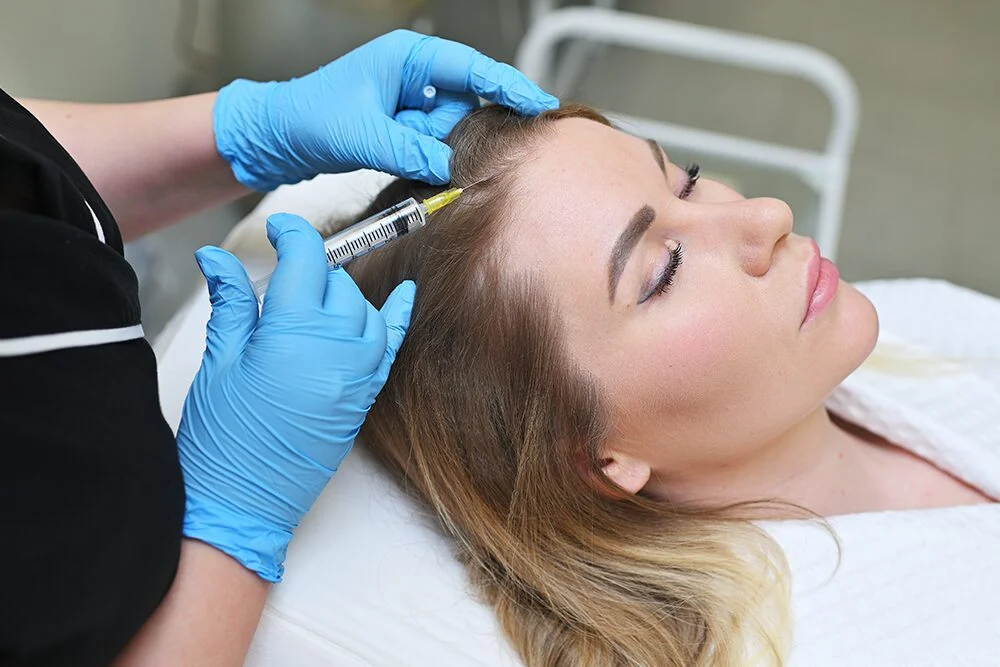
What is PRP Treatment?
- A blood sample is drawn and spun to concentrate PRP for injection.
- Platelets contain growth factors that help regenerate tissue and trigger hair follicles to grow.
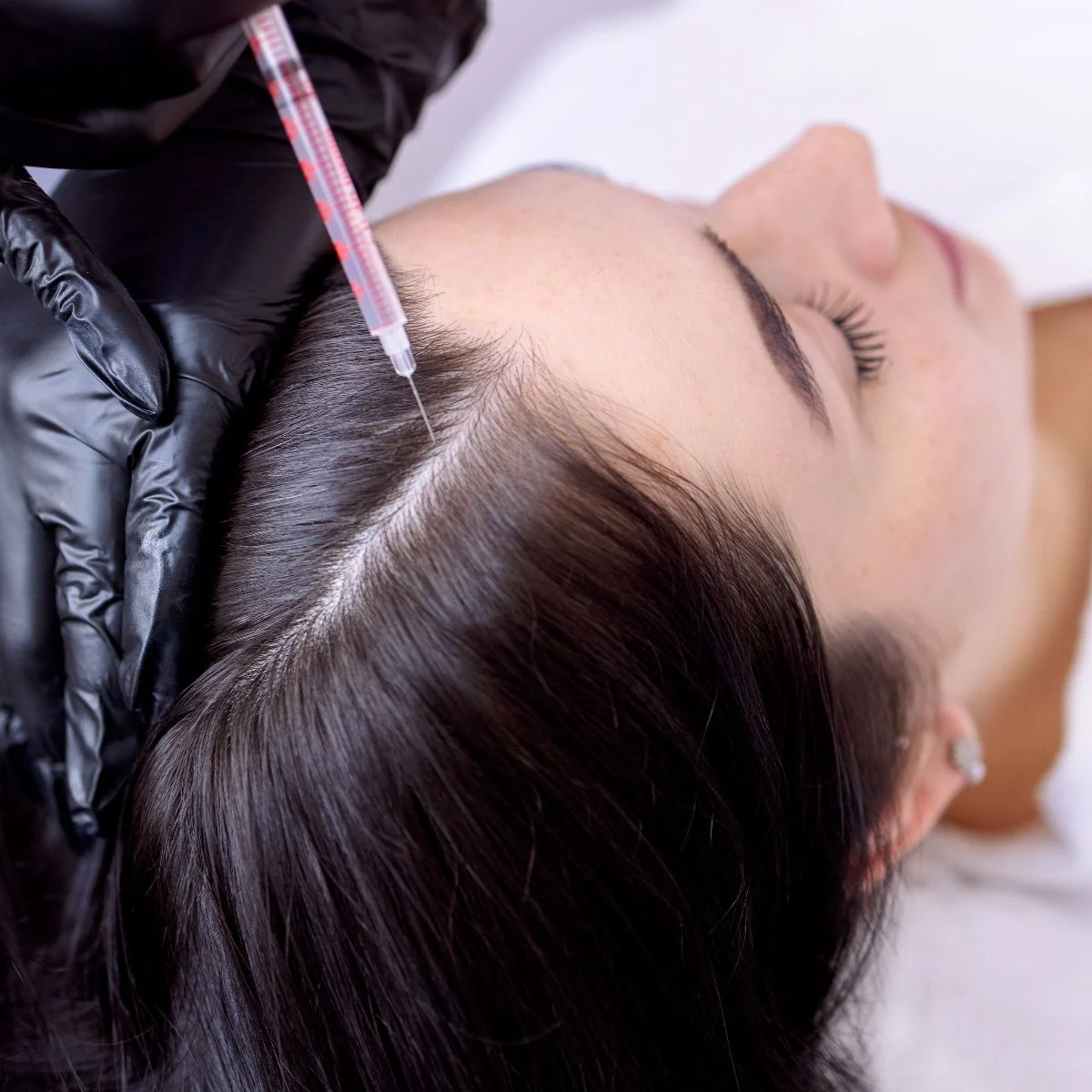
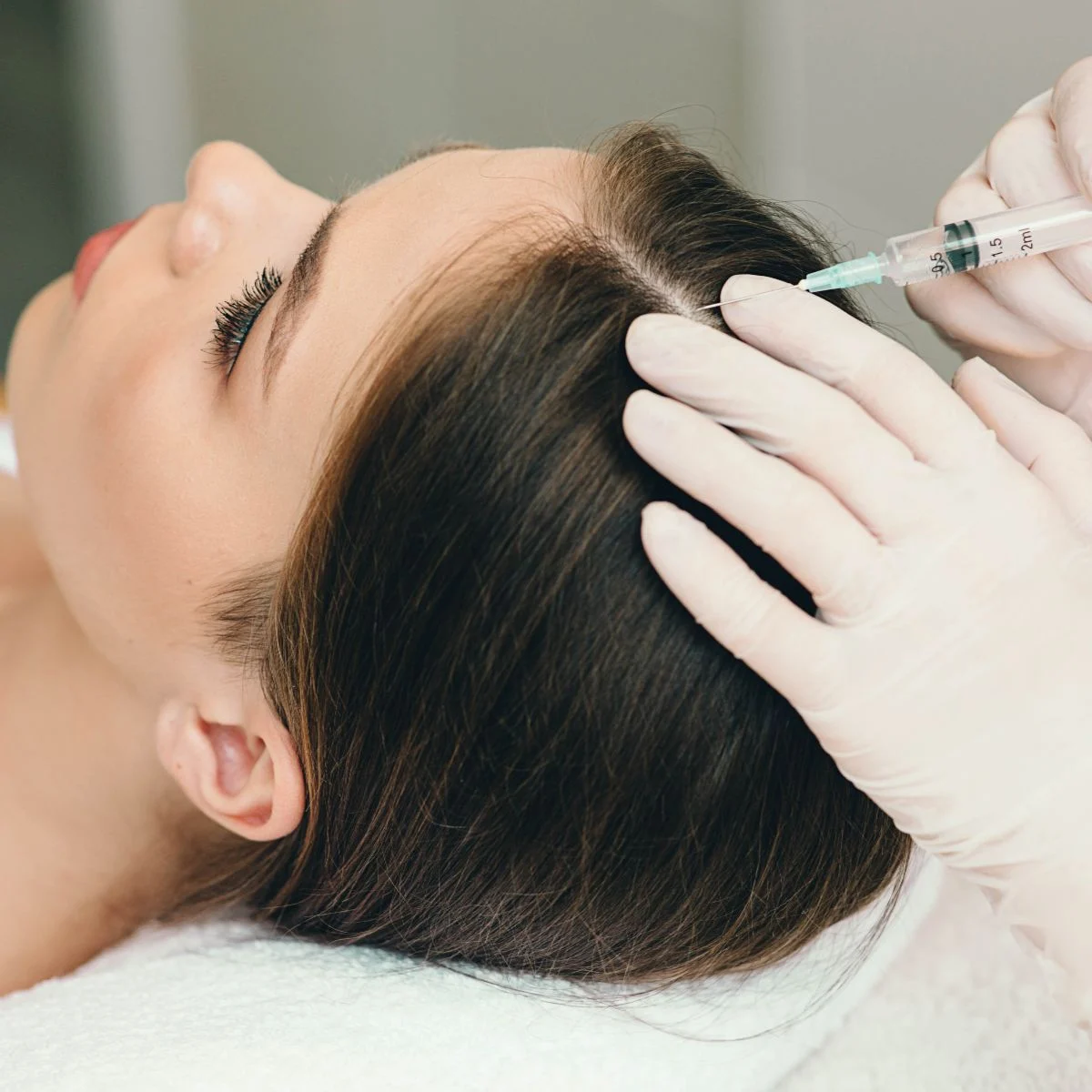
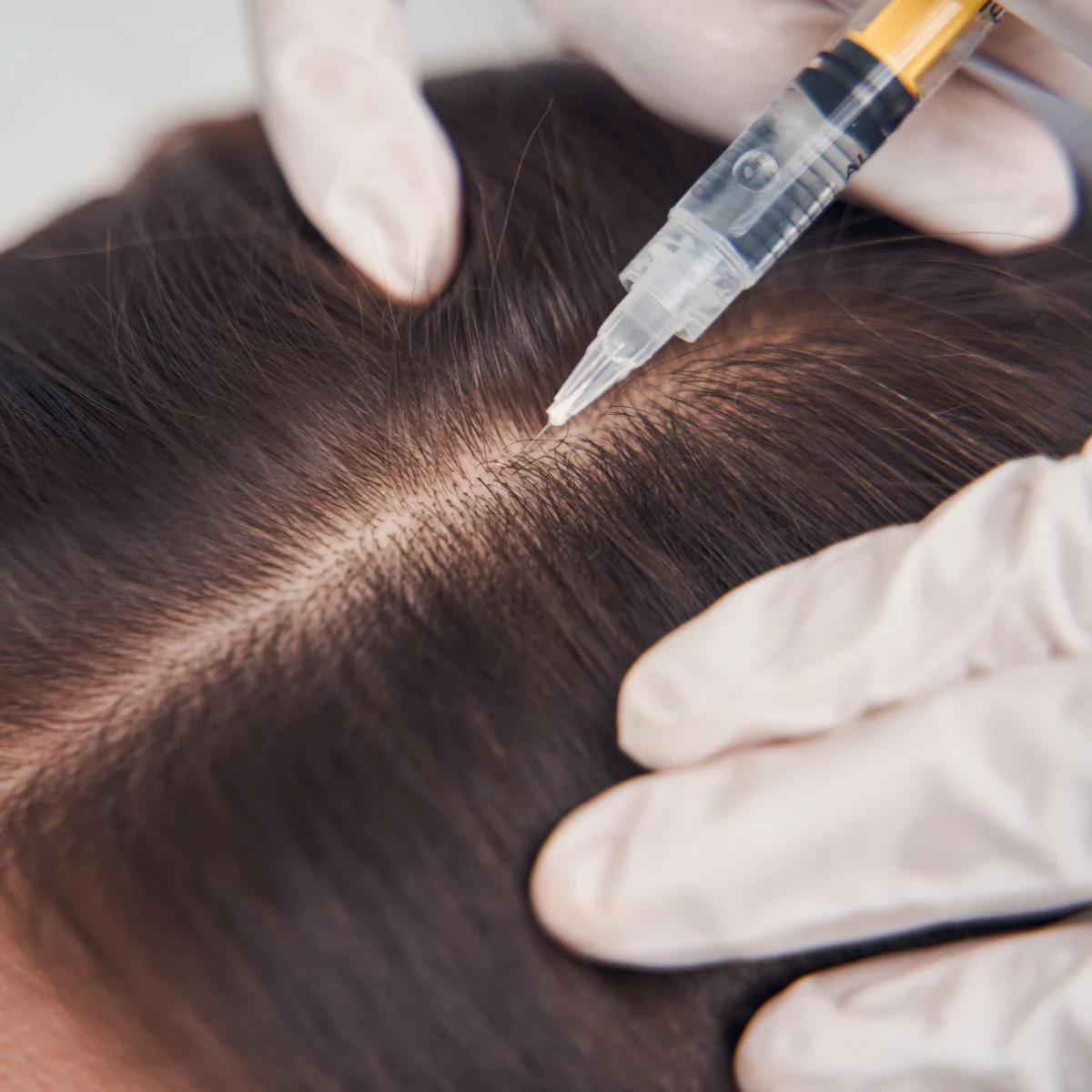
- The prepared PRP is injected into areas of the scalp that are thinning or balding.
Some specialists refer to PRP hair treatment as a form of collagen induction for the scalp, utilizing injections to stimulate the repair process.
What is the Growth Success Rate of PRP Hair Therapy?
- Studies have shown that PRP can increase hair count, density, and thickness in individuals with androgenetic alopecia.
- Multiple studies report that between 60% and 80% of patients see noticeable hair regrowth or improvement following three to six PRP treatment sessions, typically spaced over several months.
- Patients, especially with moderate thinning or early pattern hair loss, often report high satisfaction.
Factors That Influence PRP Treatment Efficacy
The treatment efficacy of PRP depends on several factors:
- PRP is most effective for moderate to early stages of hair loss; success rates are lower for severe hair loss.
- PRP helps with androgenetic alopecia and sometimes alopecia areata, but not with scarring alopecia that causes permanent damage to the follicles.
- PRP can reactivate hair follicles, but not regrow hair where follicles are gone.
- Patient health and nutrition also affect results.
- For optimal results, multiple sessions and adherence to treatment are necessary.
PRP vs. Other Hair Loss Treatments
- Topical treatments, such as minoxidil, slow hair loss but must be used daily and may cause irritation.
- Oral medications treat male pattern hair loss, but may cause side effects and are not always suitable.
- Hair transplant surgery offers permanent results but is more invasive, requires recovery, and costs more.
- PRP uses your blood in a minimally invasive way to stimulate natural hair growth.
What the Treatment Process Looks Like
If you’re considering PRP hair therapy, here’s what to expect:
- Consultation: The provider examines your scalp, reviews your medical history, and sets realistic expectations for your treatment.
- Blood draw: A small sample is taken.
- Processing: The blood is centrifuged, and the PRP is collected.
- The provider injects PRP with fine needles into thinning areas.
- Recovery: Mild swelling or redness may occur, but normal activities can resume immediately.
Recovery is brief, and side effects are minor compared to those of surgery.
How PRP Promotes Hair Growth
PRP works by stimulating dormant follicles, delivering growth factors, and supporting tissue regeneration.
- Delivering growth factors to cells that regulate follicles.
- Boosting tissue regeneration for an optimal hair growth environment.
- Patients often notice stronger hair, improved quality, and increased collagen near the follicles.
Who Can Benefit from PRP Hair Treatment?
PRP is best for people who:
- Have a pattern of hair loss, such as male pattern baldness or female pattern hair loss.
- Have moderate hair thinning and want to take action early.
- Want a non-invasive treatment option without surgery.
- Seek improved hair growth, increased hair thickness, and comprehensive hair restoration treatment.
Success Rates in Different Conditions
The success of PRP microneedling for hair growth can vary depending on the type of hair loss.
- For androgenetic alopecia, studies show that up to 80% of patients report new hair growth and increased hair density after completing at least three PRP sessions.
- Female pattern baldness: Many women regrow hair, especially where thinning is diffuse.
- Male pattern baldness: Best results when started before bald spots are smooth.
- Other conditions: Results are mixed in alopecia areata and low in scarring alopecia.
How Long Do PRP Results Last for Hair?
- Most patients experience improved growth within four to six weeks.
- Hair thickness and density rise after a few sessions and with ongoing care.
- Maintenance: Repeat sessions every 6–12 months to help sustain results.
Safety & Side Effects of PRP for Hair Growth
PRP carries a low risk. Temporary swelling or tenderness can occur.
- Temporary soreness in the treated area.
- There is a rare chance of infection if the provider’s instructions are not followed.
The Bottom Line: Success Rate of PRP Hair Rejuvenation
Clinical research consistently shows that PRP therapy yields strong results, especially when initiated early in the hair loss process. Most patients see visible improvement in density, thickness, and overall regrowth.
Though results vary, PRP therapy remains a reliable, minimally invasive option—often bridging the gap between topical treatments and surgery, helping those with thinning hair restore both appearance and confidence.
Get PRP Hair Rejuvenation at Skin Artistry Clinic
Want to regrow your hair with PRP? Skin Artistry Clinic can help you! Serving Alamo, San Francisco, the East Bay Area, and Danville in California, our board-certified dermatologists offer professional PRP hair rejuvenation.
We also offer skin rejuvenation treatments, including IPL photofacials, hydrafacials, PRP vampire facials, and more. Moreover, our dermatologists have years of expertise in anti-aging procedures like Botox, fillers, SkinVive, and IV therapy.
If you want to regrow your hair or improve its health, contact us today! Call at 925-404-4293 to book your consultation now!