
The question of whether Minoxidil works for facial hair has been circulating in communities for years, and for good reason. Originally developed to treat high blood pressure and later approved for scalp-related hair loss, Minoxidil has become one of the most discussed off-label tools for men who are hoping to improve beard growth. Here is what science actually says.
What Is Minoxidil & How Does It Work?
Minoxidil was first introduced as an oral medication for high blood pressure, but physicians noticed an interesting side effect.
The side effect was that the patients who were using Minoxidil were experiencing unexpected new hair growth. This discovery led to the development of topical Minoxidil formulations specifically to regrow hair on the scalp. Today, it remains one of the most widely used hair loss treatments that is available without a prescription.
The way Minoxidil works is by increasing the flow of blood to your hair follicles. When blood flow improves around a follicle, it receives more nutrients and oxygen, which can push follicles from the resting phase into the active growth phase. This is the reason why Minoxidil is considered one of the more scientifically supported options to:
- Stimulate hair growth
- Treat hair loss in both men and women
Can Minoxidil Stimulate Facial Hair Growth?
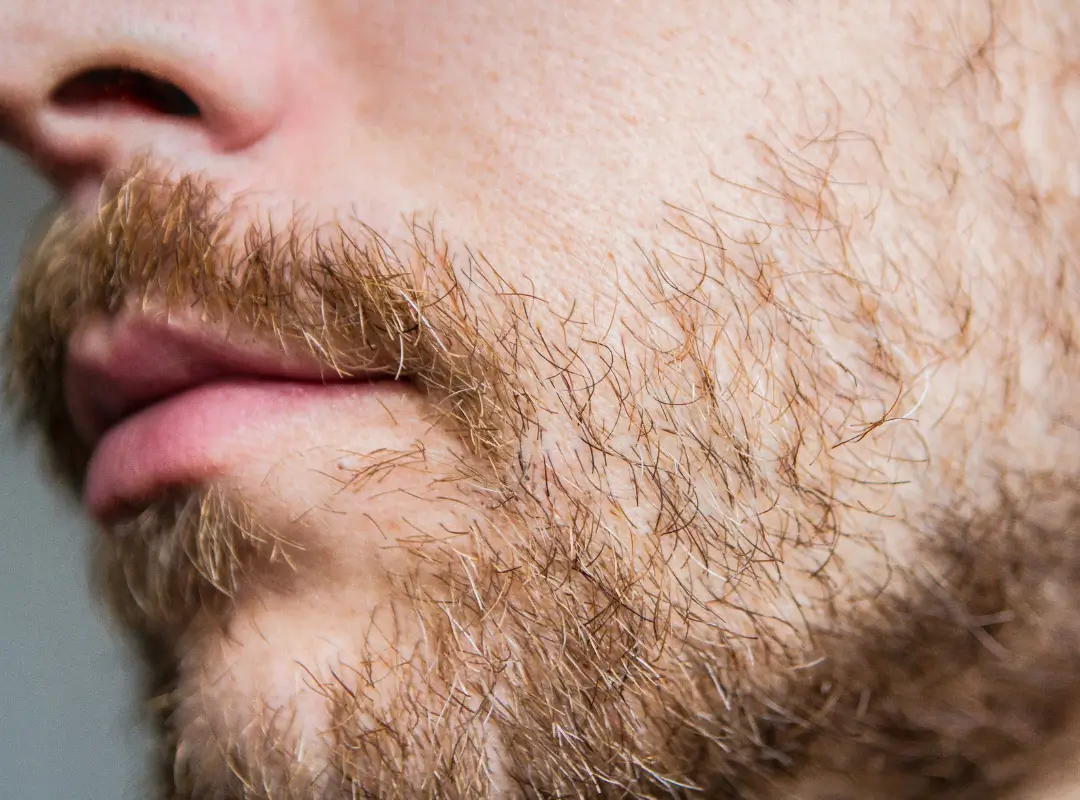
The short answer is YES — with some important caveats. Minoxidil for beard growth is an off-label use, meaning it has not been officially approved for facial hair applications by regulatory agencies, but a real-world use and growing body of research suggest it can stimulate facial hair growth in many men.
If you want to learn about the mechanism, it is the same as it is on the scalp. By increasing blood flow to your facial hair follicles, Minoxidil extends the growth phase, giving each follicle more time to produce a visible strand. This is relevant for men whose patchy facial hair stems from follicles that cycle too fast through the resting phase rather than follicles that are absent entirely.
Topical Minoxidil vs. Oral Minoxidil for the Beard
There are two main forms used today:
- Topical Minoxidil
- Oral Minoxidil
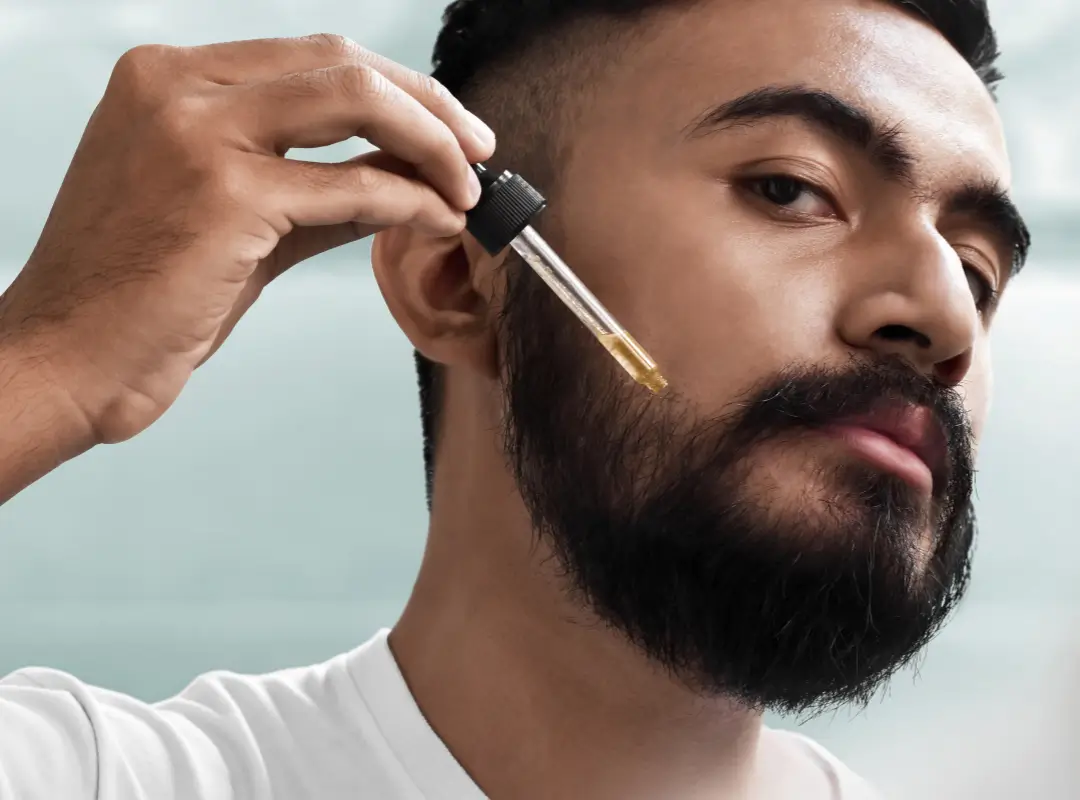
Topical Minoxidil is applied directly to the area of desired facial hair growth, generally in a liquid or foam formulation. It is the more commonly used choice and carries a lower risk of systemic side effects because relatively little is absorbed into your bloodstream.
Oral Minoxidil, taken in low doses, is gaining traction among dermatologists for treating multiple hair disorders, including female pattern hair loss and diffuse thinning.
For Minoxidil beard use, some men turn to oral formulations but under medical supervision when topical options produce insufficient results. Remember that oral Minoxidil comes with a broader set of potential side effects, including:
- Fluid retention
- Changes in blood flow regulation
This is why it requires a prescription and physician oversight. And for most men looking to stimulate beard growth, starting with topical Minoxidil is the more cautious approach.
Who Is Most Likely to See Results?
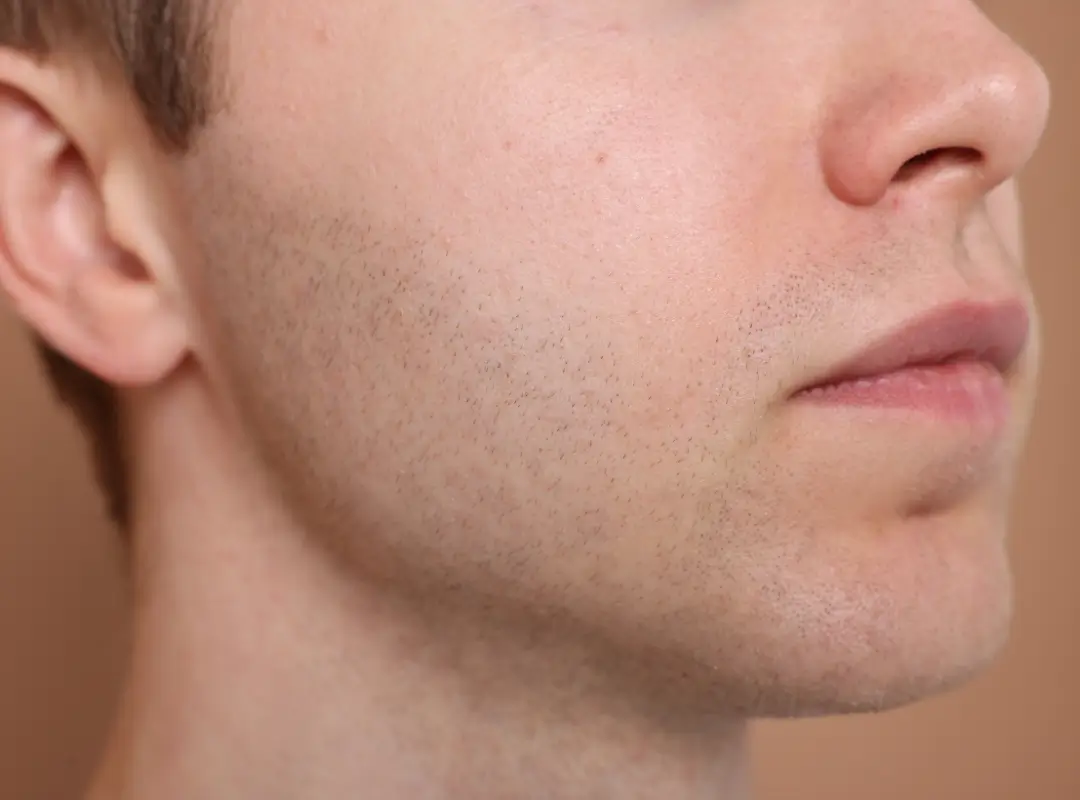
Not everyone who uses a Minoxidil beard regimen will see the same outcome. Results depend on the underlying reason for minimal facial hair or patchy facial hair. Men who have follicles present but dormant respond better than those whose lack of facial hair is purely genetic, with no follicular activity to activate.
Age also plays its role. Younger men in their late teens and early 20s may still be developing facial hair naturally, and Minoxidil can sometimes accelerate or fill in what genetics would eventually produce anyway.
Men who have been stuck with the same patchy facial hair pattern for years, with no change, are also good candidates, as their follicles are likely in a prolonged resting phase that Minoxidil’s increased blood flow could disrupt positively.
Those with minimal facial hair due to underlying hair disorders or hormonal deficiencies should speak to a dermatologist before starting any hairball or hair loss treatments, as Minoxidil addresses follicular stimulation but does not correct imbalances in hormones.
What About Scalp Hair Growth vs. Facial Hair Growth?
Minoxidil was made and tested for scalp hair growth, and its track record there is well-established. When you use it to treat hair loss on your scalp, it has been shown to regrow hair in a significant percentage of users when applied consistently.
The same principles that make it work for scalp hair growth apply to your face — it targets the growth phase of hair follicles regardless of their location on your body.
That said, facial hair follicles are physiologically different from follicles on your scalp. They are more sensitive to androgens like testosterone, which is why beard growth is so closely tied to hormonal factors.
Minoxidil does not increase levels of androgen, so it will not override hormones or genetics — it simply gives existing follicles a better chance to reach their potential by optimizing the environment around them.
Potential Side Effects to Be Aware Of
Like any treatment used to stimulate facial hair growth, Minoxidil carries the possibility of some side effects.
Skin irritation is among the most commonly reported, especially with liquid formulations (which contain propylene glycol). Switching to a foam-based topical Minoxidil generally reduces skin irritation for sensitive users.
Another consideration is the potential for dead skin cells to accumulate more quickly in the application area, which can lead to dryness or flakiness. Keeping your skin clean and moisturized helps manage this.
Some users also report initial shedding of facial hair when they start using Minoxidil, which can be alarming but is generally a temporary phase as your follicles transition into a new growth phase.
Since topical Minoxidil can absorb into your skin, there is also a small risk of systemic effects, though these are uncommon at standard doses.
NOTE: Anyone with cardiovascular concerns should consult a doctor before using Minoxidil in any form.
Realistic Expectations for Minoxidil Beard Results
Setting realistic expectations is important. Minoxidil works takes time — most users begin noticing improvements in facial hair growth between 3 and 6 months of consistent use.
The facial hair count tends to increase gradually, and patches tend to fill in with continued application. Stopping Minoxidil generally causes any gains to reverse, as your hair follicles return to their previous resting state without the continued stimulus to stimulate beard growth.
Another thing to keep in mind: For men with patchy facial hair, Minoxidil is not a guaranteed fix, but it is one of the few topical options with real clinical evidence behind its ability to stimulate facial hair growth and encourage beard growth when used consistently.
Conclusion
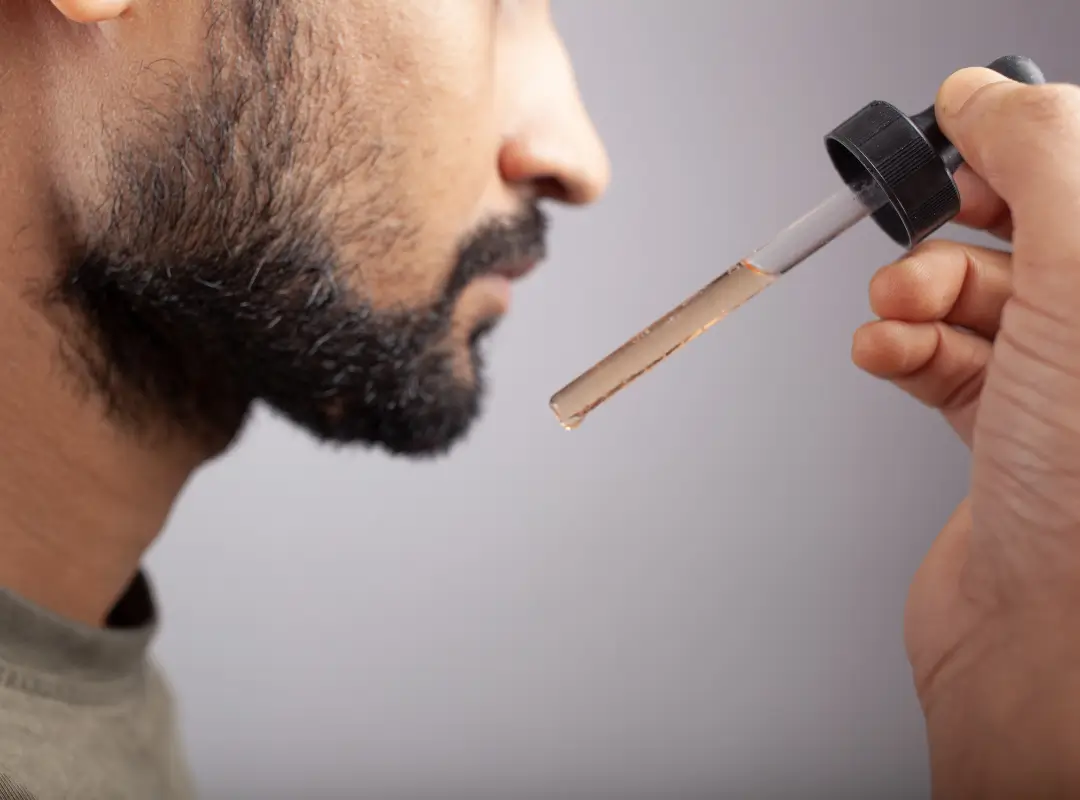
Minoxidil can actually work for facial hair growth. The evidence to support its off-label use for Minoxidil beard applications is more solid than many expect.
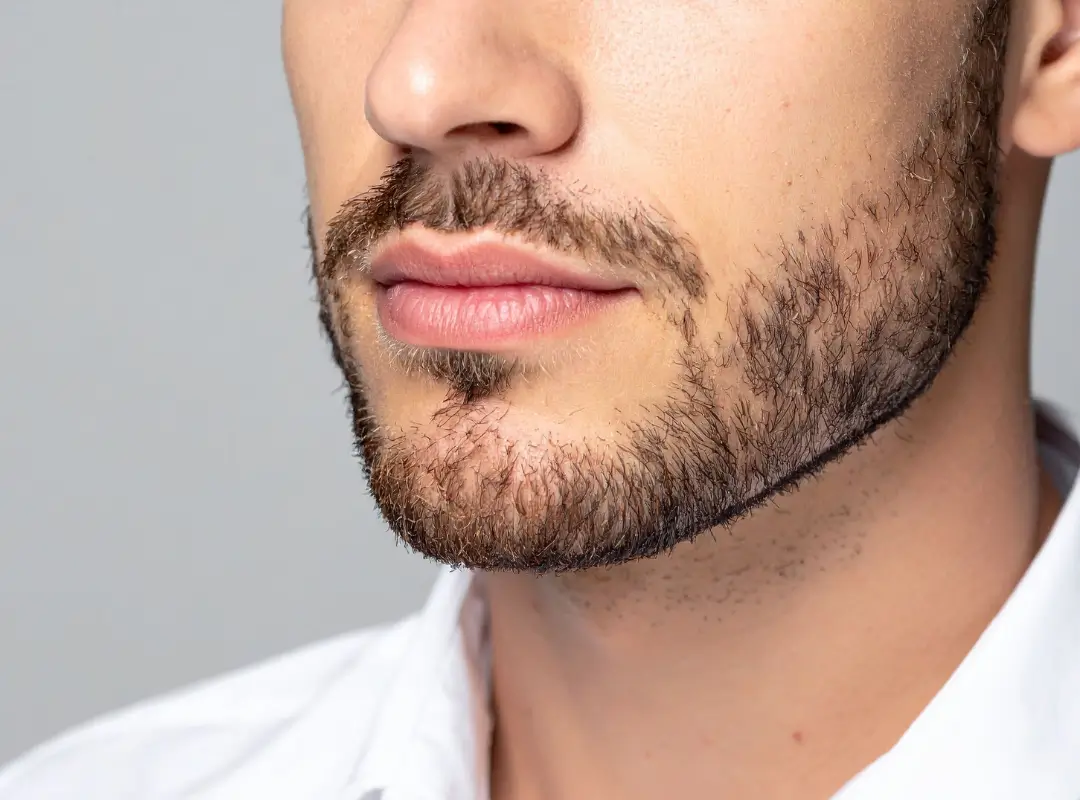
By improving blood flow to hair follicles and extending the growth phase, it creates conditions that allow new hair growth to emerge in areas of :
- Patchy facial hair
- Minimal facial hair
It is not a replacement for hormones or genetics, but as one of the more accessible hair loss treatments, topical Minoxidil offers you a meaningful option to stimulate beard growth. And all of this is relatively manageable risk when used correctly.
Expert Hair & Skin Treatments at Skin Artistry Clinic
Dealing with hair loss, thinning, or wanting to explore medically-guided approaches beyond over-the-counter hair loss treatments? Skin Artistry Clinic — led by the esteemed Dr. Faiqa Chaudhry — offers treatments that go well beyond what a bottle of Minoxidil can achieve.
PRP Hair Rejuvenation is particularly well-suited for those who want to stimulate hair growth and support healthy hair growth using platelets of their own body to activate dormant hair follicles and promote new hair growth from within.
RF Microneedling and Microneedling with PRP “Vampire Facial” are also available for those who want collagen stimulation and skin renewal alongside their hair goals.
For broader skin and wellness support, we are also offering Hydrafacial, Medical Grade Skin Peels, Medical Grade Skin Care Lines, and Longevity Medicine & Wellness programs.
Serious about treating hair disorders, thinning, or patchy facial hair with a physician-led plan?
Schedule your consultation with Dr. Faiqa Chaudhry at Skin Artistry Clinic today.