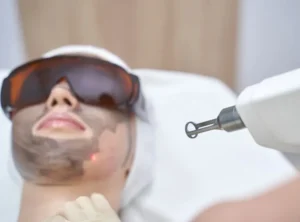

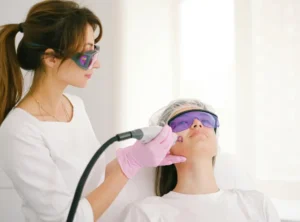
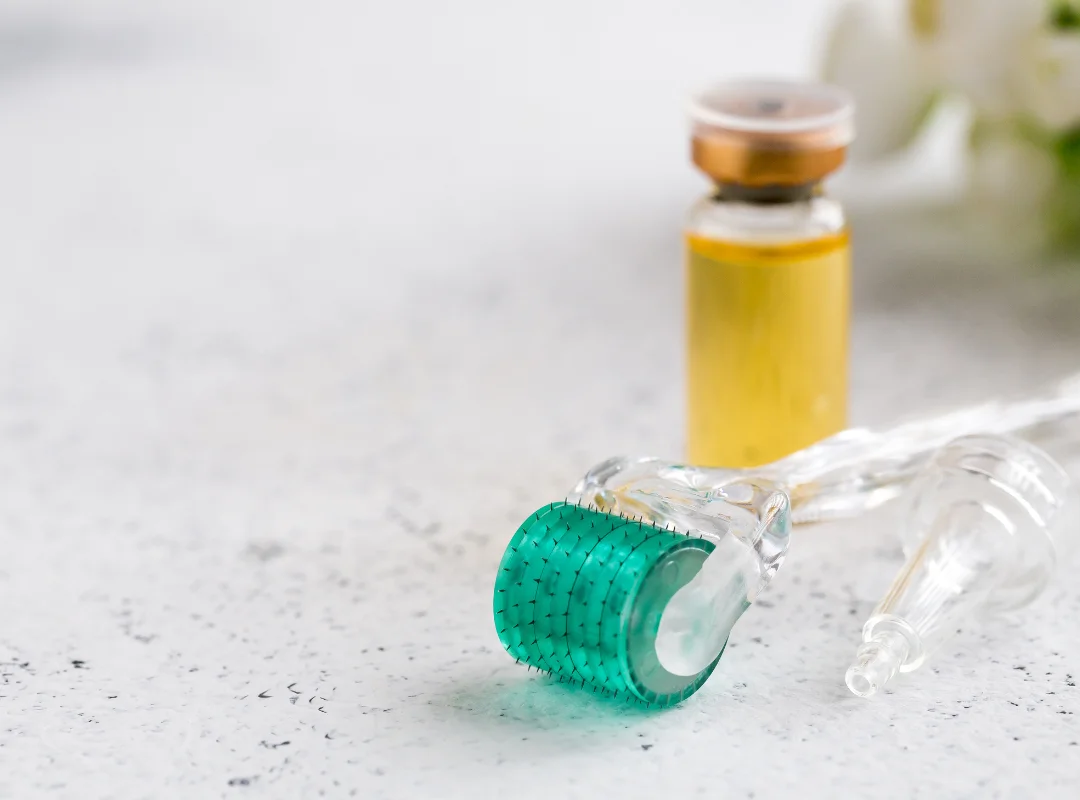
A derma roller uses tiny needles to create micro-injuries in the scalp. This triggers a wound-healing response that stimulates hair follicles, boosts blood circulation, and improves absorption of topical treatments like minoxidil.

A single problem does not cause hair thinning, and that’s exactly why so many people find it hard to treat. The derma roller has gained good reviews as an at-home tool that may support hair regrowth by working with your scalp’s biology rather than simply coating it with product.

How Does a Derma Roller Stimulate Hair Growth?

A derma roller works by creating controlled micro-injuries in the scalp, triggering a cascade of biological responses that can support follicular health. When the needles penetrate the skin, your body responds by activating growth factors. This promotes collagen production and sends fresh blood to the treated area.

This process also activates stem cells within the hair follicle, which play a direct role in hair regeneration. At the same time, the microchannels created by the needles temporarily increase the permeability of your scalp. This way, the topical treatments like minoxidil or rosemary oil can penetrate significantly deeper than they would on intact skin.

This process uses the same basic cellular mechanisms as facial treatments to target aging skin, like microneedling for wrinkles.


How Often Should You Derma Roll For Hair Growth

Clinical Studies About Derma Rolling to Encourage Hair Growth

A 2020 study by Starace et al., published in the Journal of Cosmetic Dermatology, followed 50 patients with androgenetic alopecia and telogen effluvium across three monthly dermarolling sessions using a 1.5mm needle. Frontal hair density increased by a median of 36.64%, and vertex density increased by 35.10%, as measured via trichoscopy.

However, a separate study by Kakizaki et al. (2023, Skin Appendage Disorders) found no statistically significant improvement in hair density or scalp coverage. They used a standalone treatment in 15 male patients, with a 1.5mm roller over 4 monthly sessions.

A murine study by Kim et al. (2016, Annals of Dermatology) showed the most pronounced hair growth effects at needle lengths of 0.25mm and 0.5mm. A 2025 literature review by Tieu et al., published in the Dermatology Online Journal, analyzed all three studies and concluded that evidence for dermaroller monotherapy remains limited and inconsistent. Why? Because they lack standardized protocols across studies.

The takeaway: dermarolling shows real promise, particularly when combined with topical treatments, but it should not be your only strategy.

Which Derma Roller Needle Size Is Best for Scalp Use?

Needle length is one of the most consequential decisions you’ll make when using a derma roller for hair.

  • 0.25mm: Best for beginners and enhancing product absorption. Penetration is shallow, making it ideal for daily or near-daily use with low irritation risk.
  • 0.5mm: The most widely recommended size for home use. It reaches deep enough to stimulate follicles, while remaining manageable in terms of recovery time. Suitable for early to moderate hair thinning.
  • 1.0mm: Appropriate for more advanced thinning, but requires longer recovery between sessions. Use every 7–10 days.
  • 1.5mm: For experienced users only. Carries a higher risk of epidermal damage and is best used under professional supervision.

The Kim et al. murine study specifically found that 0.25mm and 0.5mm needles produced the most pronounced hair growth effects, which aligns with what many dermatologists recommend for at-home use.
What Are The Risks Of Derma Rolling For Hair


How to Use a Derma Roller Correctly at Home

Technique matters as much as needle size. Poor form can cause follicular damage and actually worsen inflammation over time.

Before you start:

  1. Wash your hair with a gentle, sulfate-free shampoo and let your scalp dry completely.
  2. Sanitize your derma roller by soaking it in 70% isopropyl alcohol for 5–10 minutes.
  3. Wash your hands thoroughly.

During the session:

  1. Divide your scalp into sections to ensure even coverage.
  2. Hold the roller at a 45-degree angle and apply gentle pressure. You should feel mild tingling, not pain.
  3. Roll each section in four directions: vertical, horizontal, diagonal left, and diagonal right.
  4. Aim for 6–10 passes per area.
  5. Avoid any areas with open wounds, active infections, or inflamed skin.
Dermarolling frequency by needle length:
Roller Size Usage
0.25mm 2–3 times per week
0.5mm 1–2 times per week
1.0mm Every 7–10 days
1.5mm Every 2–3 weeks
After each session, re-sanitize your roller with isopropyl alcohol, allow it to air dry, and store it in a clean container.

How to Combine a Derma Roller with Minoxidil & Rosemary Oil

This is where results tend to improve most significantly. Dermarolling creates microchannels that allow topical treatments to reach deeper layers of the scalp. When building your overall restoration plan and deciding between minoxidil or PRP, balancing these product safety windows is a crucial consideration for steady growth. 

With Minoxidil

  • Wait 12–24 hours after rolling before applying minoxidil, especially when using needles of 0.5mm or longer.
  • Applying minoxidil immediately after deep rolling can increase systemic absorption and the risk of irritation.
  • On non-rolling days, apply 1ml directly to the scalp as directed.

With Rosemary Oil

  • Rosemary oil has shown results comparable to 2% minoxidil for hair count in some clinical trials.
  • Dilute with a carrier oil such as jojoba before applying. Never apply concentrated essential oil to freshly needled skin.
  • Wait several hours post-rolling before massaging it into the scalp.

With Peptide Serums

  • Copper peptides, Redensyl, and Procapil-based serums are generally well-tolerated post-rolling
  • These are gentler than alcohol-based products and support scalp recovery between sessions.

Do Derma Rollers Really Work For Hair Growth

Conclusion

A derma roller is evidence-supported for hair growth, but effectiveness depends on needle size, technique, frequency, and pairing with other treatments. Using a 0.5mm roller 1–2 times weekly with minoxidil on non-rolling days is the most supported home-use protocol.

Best Hair Growth Treatments at Skin Artistry Clinic

Consistent use over several months leads to meaningful improvement. If you experience persistent thinning or do not respond to basic skin treatments, consulting Dr. Faiqa Chaudhry at Skin Artistry Clinic can help determine whether dermarolling is suitable for you and which combination of treatments may work best. Contact us now!

Frequently Asked Questions

Q: Can a 0.5mm derma roller be used every day for hair growth?

A: No. Daily use of a 0.5mm derma roller can cause excessive inflammation and scalp irritation. Most dermatologists recommend using this needle size no more than 1–2 times per week, with adequate recovery time between sessions.

A: Most users begin to notice reduced shedding and improved scalp texture within 1–2 months. Early new hair growth typically appears around months 3–4. Significant improvement in hair density generally requires 5–6 months of consistent use.

A: Derma rolling shows the most promise for androgenetic alopecia and telogen effluvium, where follicles are still alive but weakened. It is not effective for scarring alopecia and may worsen alopecia areata due to its inflammatory nature.

A: Minoxidil should be applied after derma rolling, not before, and with a waiting period of at least 12–24 hours when using needles of 0.5mm or longer. Applying minoxidil immediately after big rolling risks over-absorption and increased side effects.

A: Replace your derma roller every 10–15 sessions. Dull needles cause irregular, tear-shaped punctures rather than clean microchannels, which increases tissue trauma and infection risk without improving therapeutic benefit.