
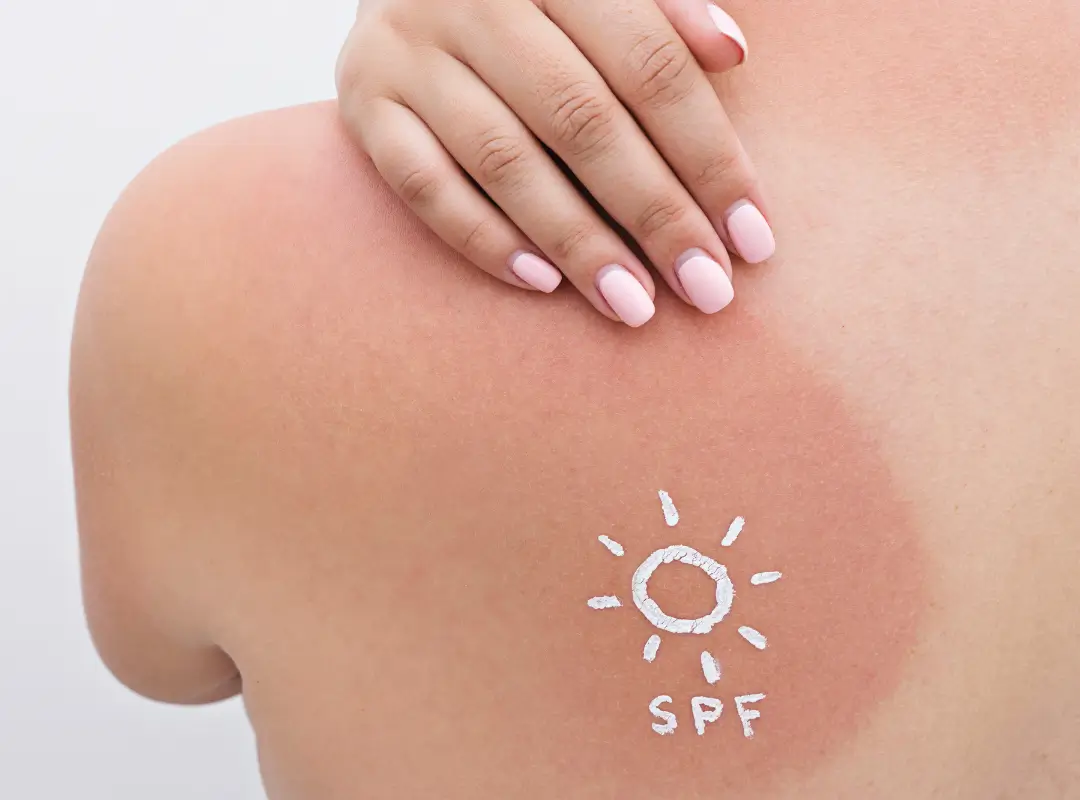
If you have ever spent too long in the sun and watched your peeling skin flake away days later, you may have wondered: Does peeling after sunburn remove tan? It is a common question people have after a beach trip gone wrong. The answer involves some skin science, a little biology, and a few important truths about how sun exposure actually changes your skin. Let’s learn more.
What Happens to Your Skin After Sun Exposure
When UV rays hit your skin, they penetrate the outer layers and trigger a cascade of biological responses. Our body produces melanin (the pigment responsible for tanning) as a defense mechanism against UV radiation.
This darkening of skin tone is your body’s attempt to shield deeper layers from skin damage. At the same time, high levels of UV light can destroy or damage the DNA within skin cells, causing them to die off. This cell death is what eventually leads to a peeling sunburn.
Sunburned skin is essentially damaged skin. The tenderness, redness, and heat you feel are signs of inflammation — your immune system responding to the injury that is caused by UV radiation.
Within just a few days, your body begins shedding the topmost layer of dead skin cells as part of its natural repair process, and that is when peeling begins.
Does Peeling Actually Remove the Tan?
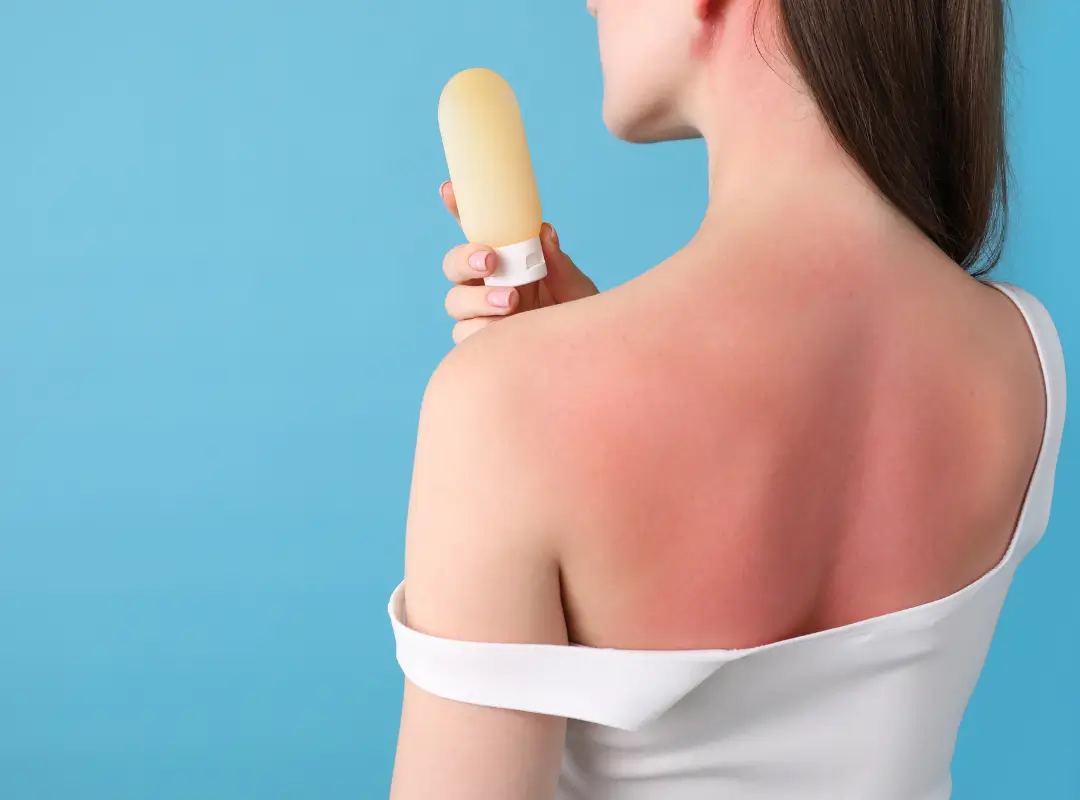
Here is where things get interesting. Peeling does remove some of the darkened skin cells, but remember that it does not completely erase the tan.
The tan you develop after sun exposure exists at multiple depths within your skin. The surface layer holds some of the darkened, dead skin, but the melanin deposited deeper in the epidermis remains behind even after peeling is done.
So while peeling skin does reveal a layer of slightly lighter skin cells underneath, the tan does not disappear entirely.
You will notice your skin tone lightens somewhat after a peeling sunburn, but the results vary depending on:
- Skin tone
- The intensity of UV radiation received
- Your skin regeneration speed
If you have fair skin, you might experience more dramatic peeling and may see more noticeable lightening, but the tan rarely vanishes completely through peeling alone.
What peeling does accomplish is the removal of the most damaged skin on the surface — the dead skin cells that were most affected by UV rays. This is why skin starts to look a little fresher after the peeling phase passes, even if some color remains.
Should You Peel the Skin Yourself?
This is a question worth addressing directly. The answer is NO.
You should not forcibly remove dead skin cells by picking or peeling them off. As satisfying as it might seem, pulling at peeling skin before it is ready can:
- Disrupt the skin barrier
- Expose raw and irritated skin underneath
- Introduce bacteria that can lead to infection
It can also interfere with skin regeneration and leave behind uneven pigmentation or scarring. Instead of doing that, the best approach is to let the peeling happen naturally. Our body knows how to skin heal on its own schedule, and interfering with that process tends to make things worse.
Want to gently encourage shedding? A mild, fragrance-free exfoliant used once peeling has mostly concluded can help clear away any lingering dead skin without irritating the new skin cells below.
How to Treat Peeling Skin Safely
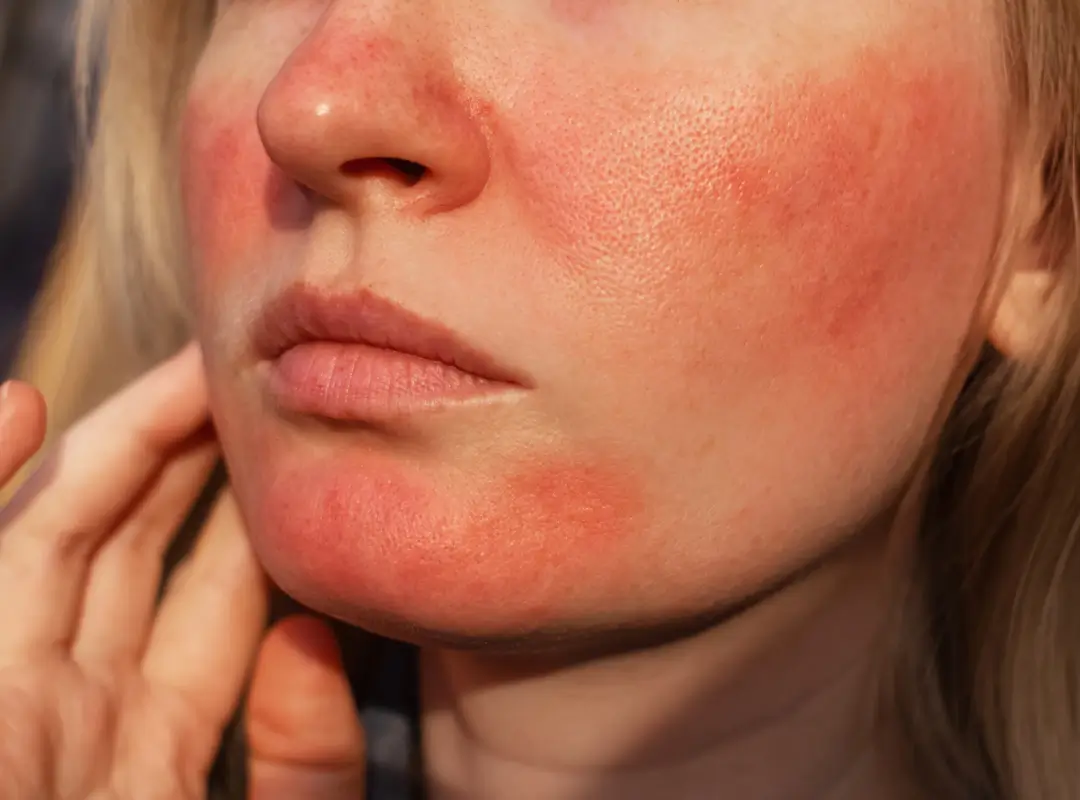
Knowing how to treat peeling skin properly makes a significant difference in how well and how quickly the skin recovers. Hydration is the single most important factor. Keeping skin moisturized with a gentle, fragrance-free lotion or cream helps the peeling process feel less uncomfortable and supports the new skin cells as they come to the surface.
The Role of the Skin Barrier in Recovery
The skin barrier — the outermost layer of the epidermis — is the body’s first line of defense against environmental aggressors, including UV light. A peeling sunburn compromises this barrier, leaving the new skin cells underneath temporarily more vulnerable. During this window, the skin barrier needs extra protection and nourishment.
Avoiding alcohol-based products, retinoids, and acids while the skin is still recovering is equally important, as these can further irritate damaged skin that is already in a fragile state.
Sun Exposure, UV Rays, & Skin Cancer Risk
It is impossible to discuss sunburned skin and peeling skin without addressing the more serious consequences of repeated UV radiation exposure. Each time the skin is significantly damaged by UV rays, the skin cancer risk increases. Skin cancer is not just a concern for those who sunbathe frequently — even occasional severe sunburns, particularly in childhood, are linked to a higher lifetime skin cancer risk.
UV light does not just cause surface-level changes. It alters the DNA within skin cells in ways that can accumulate and eventually lead to malignant transformations. This is why dermatologists consistently stress that tanning — even moderate tanning — is a sign of skin damage, not health. The body produces melanin in response to UV rays as a protective measure, but this protection is limited and comes at a cost to cellular integrity.
How to Protect Your Skin Going Forward
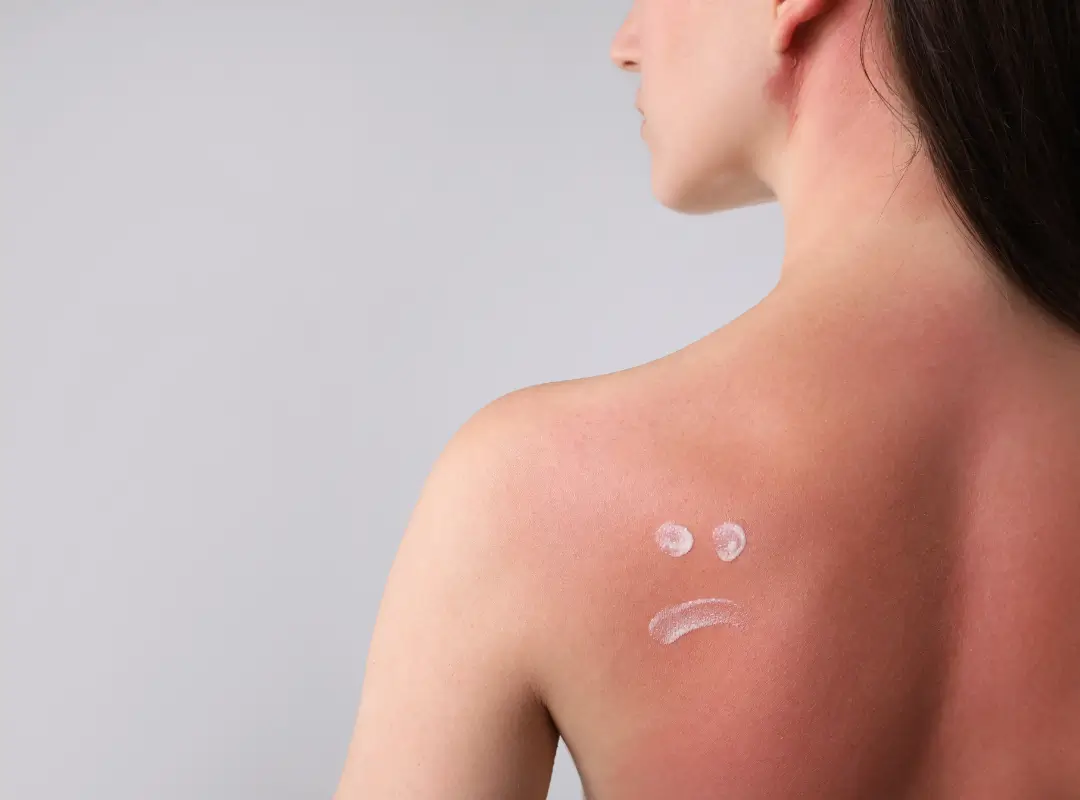
The most important step anyone can take after a peeling sunburn is to protect their skin from further UV radiation while it heals. Newly revealed skin cells are particularly sensitive to UV light, meaning fresh exposure during the healing phase can cause more skin damage more quickly than it would on unaffected skin.
Conclusion
Peeling skin after a sunburn does lighten the tan somewhat by shedding the most damaged skin on the surface. But keep in mind that it does not fully remove the tan.
The melanin deposited deeper in your skin during sun exposure persists beyond the peeling phase. More importantly, a peeling sunburn is a clear signal that UV rays have caused real skin damage, which carries long-term implications, including an increased risk of skin cancer.
The focus should not be on whether the tan fades, but on how to:
- Properly treat peeling skin
- Restore the skin barrier
- Protect your skin from future UV radiation with a good broad-spectrum sunscreen
Visit Skin Artistry Clinic for Advanced Skin Treatments
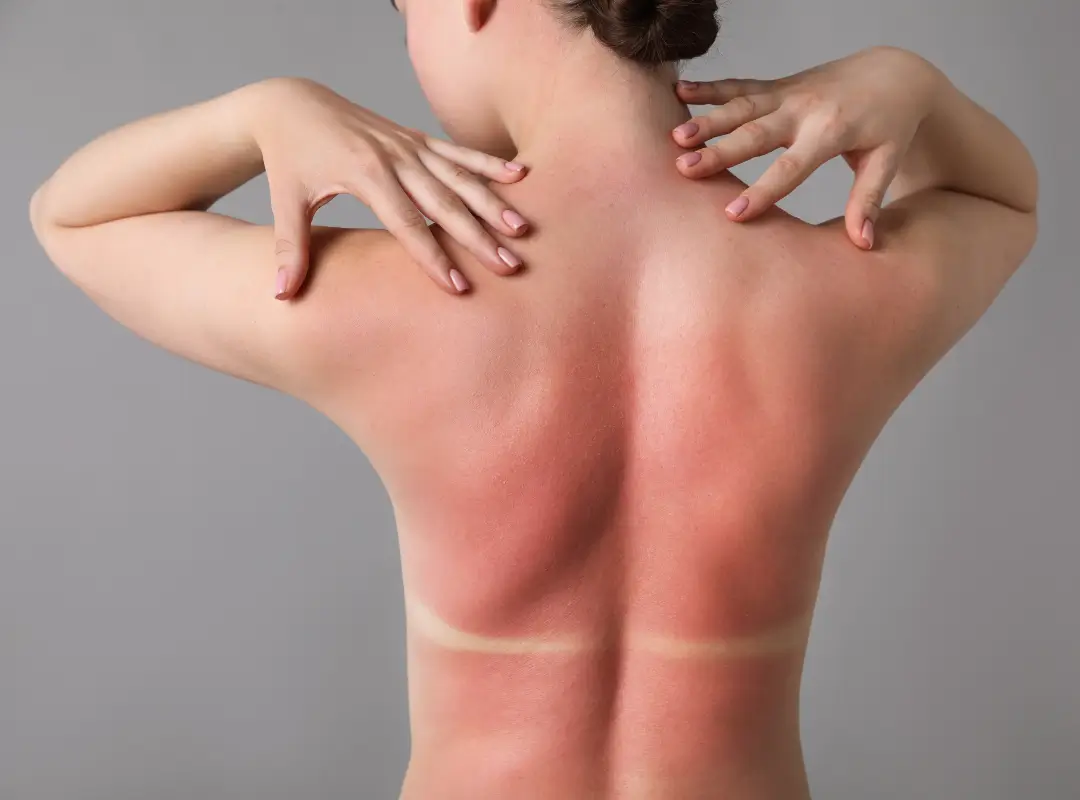
Dealing with the lingering effects of skin damage, sun-stressed skin, or uneven skin tone from repeated sun exposure? Professional treatments can actually make a difference where home remedies fall short.
Skin Artistry Clinic, led by the expert hands of Dr. Faiqa Chaudhry, MD, offers a curated selection of medical-grade solutions for damaged skin and restores healthy skin.
Hydrafacial treatments and medical-grade skincare lines complete the options for patients who want to keep their skin hydrated and protected. If your skin has been affected by sun damage, book a consultation with Dr. Faiqa Chaudhry, MD at Skin Artistry Clinic today—because healthy skin is always worth the investment.