
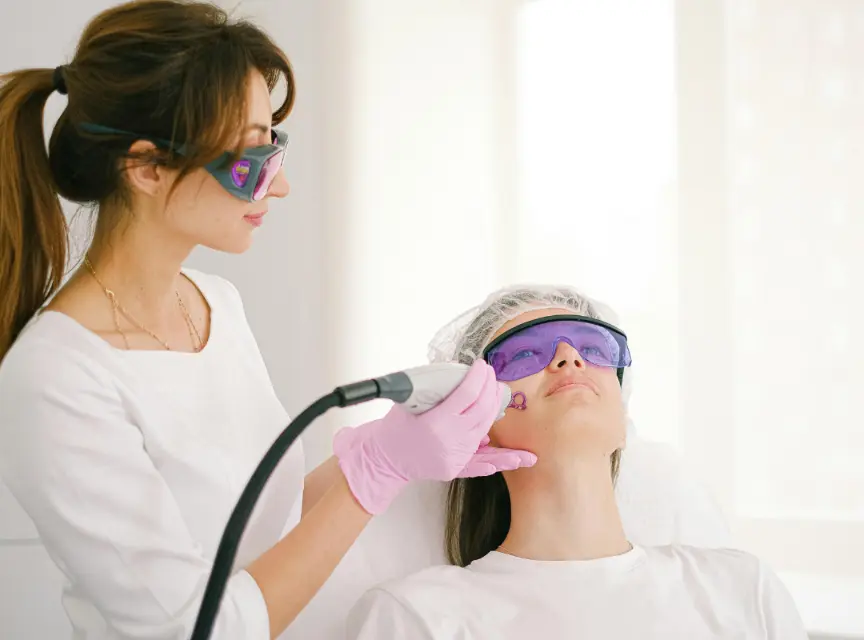
Treating hyperpigmentation after laser hair removal starts with protecting the affected area from sunlight, giving your skin time to recover, and using gentle pigment-fading skincare (once irritation has settled). This type of skin discoloration is usually called “post-inflammatory hyperpigmentation” and can appear after laser hair removal. If you have darker skin tones, you may be more prone to this response, particularly after excessive laser energy, irritation, or sun exposure.
Why Hyperpigmentation Happens After Laser Hair Removal
Laser hair removal treatment works by directing controlled laser pulses toward your hair follicles, where the energy is absorbed by melanin associated with the hair.
The heat damages the follicle so that future hair growth is reduced. Some temporary redness, warmth, or swelling can occur because the surrounding skin also experiences heat.
In some cases, this irritation activates pigment-producing cells, causing increased melanin production. The result can be a darker patch in the treated area. This is known as “post-laser hyperpigmentation”, and it can occur even when the treatment itself was performed correctly.
If you have darker skin, you generally have more melanin, which can make pigment changes more noticeable after irritation. However, skin types across the spectrum can experience pigmentation after treatment.
- Existing inflammation
- Recent tanning
- Sun exposure
- Inappropriate treatment settings
- Individual skin sensitivity
All of these can influence the likelihood of developing discoloration.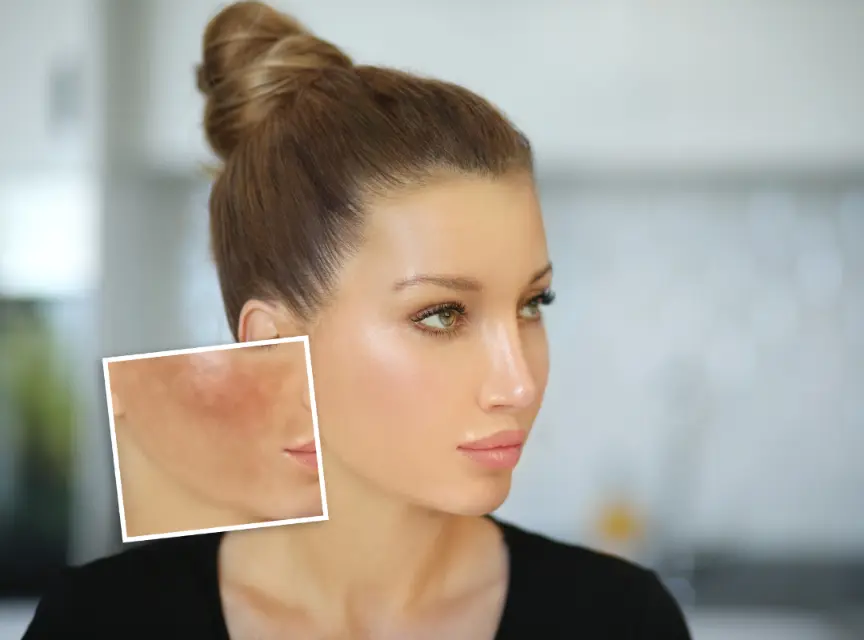
Post-Inflammatory Hyperpigmentation After Laser Hair Removal
“Post-inflammatory hyperpigmentation” develops when your skin responds to inflammation by producing additional pigment. After laser hair removal, this may appear as brown, gray-brown, or darker patches (in the treated area).
The discoloration may not appear immediately. Some people notice it several days after treatment as redness subsides and the skin begins to return to its normal appearance. The area can look darker before it gradually begins to fade.
It is important to distinguish ordinary temporary redness from pigmentation. Redness usually indicates irritation, while pigmentation represents a change in the amount or distribution of melanin within your skin. If the area is severely painful, blistered, swollen, or developing crusts, it may indicate a burn or more significant skin damage and should be assessed by a medical professional.
The Role of Skin Tone & Darker Skin Tones
Darker skin tones require particular consideration during laser hair removal treatment because the skin contains more melanin that can absorb laser energy. Older devices may direct too much energy toward your surrounding skin, increasing the risk of irritation or pigment changes.
Modern laser technology has improved the ability to select settings based on individual skin types. The choice of energy level, wavelength, pulse duration, and cooling method can influence how the skin responds. If you have darker skin, a provider may select a laser system designed to reduce unwanted absorption by the surrounding skin while still targeting the hair follicle.
The right laser technology and properly selected settings matter before treatment begins. A patch test may also be considered in some situations, particularly if you have previously developed pigmentation after hair removal or other cosmetic treatments.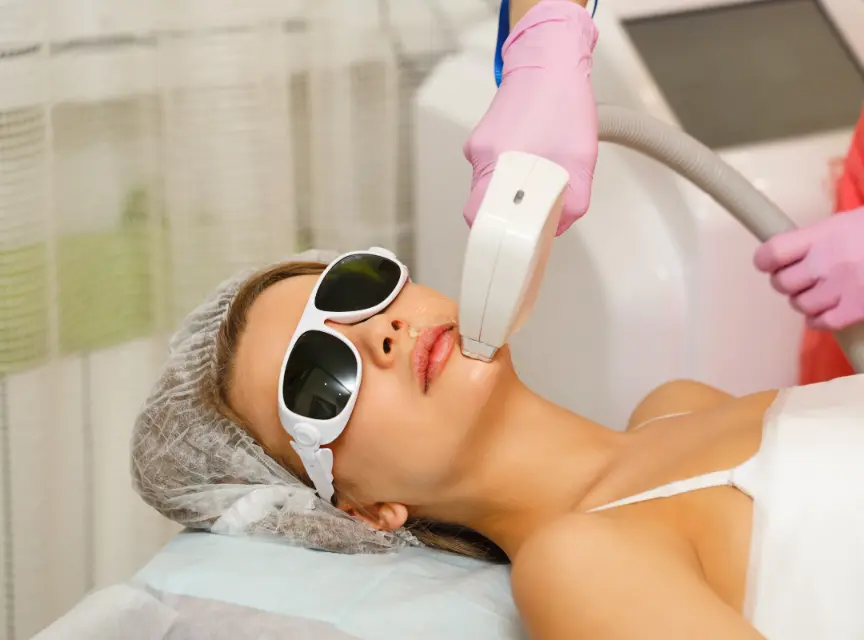
What to Avoid After Laser Hair Removal Treatment
Recently treated skin should be treated gently.
You should always avoid:
- Harsh scrubs
- Aggressive exfoliation
- Strong acids
- Other products that create irritation
Picking at flakes or scabs can also prolong inflammation and contribute to additional discoloration. Sun exposure should be limited as much as practical after treatment. Spending time in strong sunlight without sun protection can make pigmentation more noticeable and may encourage additional melanin production.
- Tight clothing
- Vigorous rubbing
- Activities that cause substantial sweating
All these may be uncomfortable during the early recovery period. The specific aftercare instructions provided by the treatment professional should take priority because recovery can vary between different skin types and treatment areas.
Can Ingrown Hairs Cause Dark Marks?
Yes, ingrown hairs can contribute to pigmentation because they may cause localized inflammation. When an ingrown hair becomes irritated, your surrounding skin can respond by increasing pigment production. Repeated irritation in the same area may leave dark marks even after the hair problem has settled.
Because laser hair removal targets your hair follicle, it is sometimes used as a treatment for unwanted hair in people who frequently experience ingrown hairs. However, the treated skin still needs proper aftercare. Picking, scratching, or repeatedly irritating the area can make existing skin discoloration more noticeable.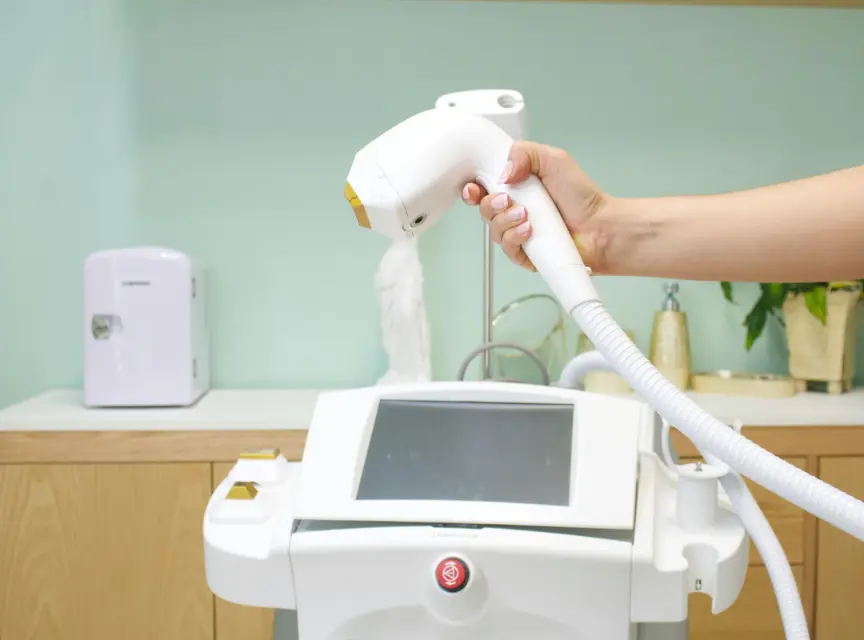
How Long Does Hyperpigmentation Take to Fade?
The time required for pigmentation to fade varies from person to person.
- Mild discoloration may become less noticeable within several weeks.
- Deeper or more pronounced pigmentation can take several months.
Darker skin tones can sometimes experience pigmentation that remains visible for longer.
The appearance of the area can provide useful clues during recovery. Gradual lightening suggests that the pigment is fading. If the area develops new symptoms, continues becoming darker, or remains unchanged for an extended period, a dermatologist can assess the skin and recommend appropriate treatment.
When to Seek Medical Advice
Mild temporary pigmentation can occur after laser hair removal, but severe symptoms should never be ignored. Contact a qualified medical professional, either a dermatologist or aesthetic physician, if the treated area develops:
- Significant pain
- Open skin
- Blistering
- Extensive crusting
- Pronounced swelling
- Worsening discoloration
A dermatologist can also distinguish post-inflammatory hyperpigmentation from other causes of dark patches. This distinction matters because different types of pigmentation can require different treatments.
Conclusion
Treating hyperpigmentation after laser hair removal centers on gentle skincare, consistent sun protection, and patience as the skin recovers.
Direct sun exposure and avoiding additional irritation are important, while ingredients such as “azelaic acid” may be considered after the skin has healed.
If you have darker skin tones, selecting suitable laser technology and treatment settings is especially important. Persistent, worsening, or severe pigmentation should be assessed by a dermatologist.
Visit Skin Artistry Clinic for Laser Hair Removal
For questions about cosmetic skin treatments in Alamo or Danville, California, call Skin Artistry Clinic. Services offered include Botox®/Dysport®, SKINVIVE™ BY JUVÉDERM®, IPL Skin Rejuvenation, Kybella.
We also offer PRP Microneedling, PRP Hair Rejuvenation, Medical-Grade Skin Peels, Medical-Grade Skin Care Lines, Longevity Medicine & Wellness, Fillers, RF Microneedling, Hydrafacial, and IV Therapy. Contact us for a consultation.