

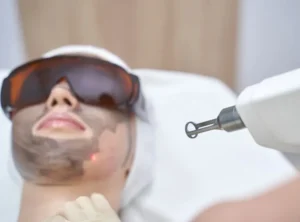

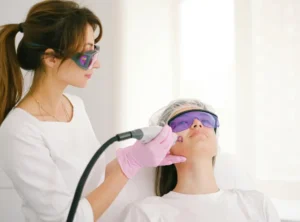
Yes, laser hair removal can reduce certain types of dark spots caused by ingrown hairs and repeated skin inflammation, but it isn’t a direct treatment for pigmentation itself. Laser hair removal targets the pigment in your hair follicles, reducing hair growth and irritation from plucking, shaving, and waxing, and many people notice their skin looks more even in areas prone to bumps and dark marks. It doesn’t lighten melasma, sun spots, or pigmentation unrelated to hair removal, so understanding the difference matters before booking a session.
How Laser Hair Removal Works
Laser hair removal works by sending laser energy into your hair follicle, where it’s absorbed by the pigment “melanin” inside your hair. That heat damages the follicle enough to slow or stop future hair growth. Because the laser targets pigment, the process is closely tied to hair color and skin tone, which is why professional consultation and skin type assessment come before any session.
This pigment-targeting mechanism is also why laser hair removal can indirectly improve the appearance of skin irritated by other hair removal methods.
- Shaving
- Waxing
- Plucking
All these cause friction, trauma, and sometimes infection at the follicle, which can lead to “post-inflammatory hyperpigmentation”- those dark marks left behind after a pimple, ingrown hair, or irritation heals.
Once unwanted hair stops growing back, your skin has fewer opportunities for that kind of irritation, and the dark marks connected to it often fade on their own.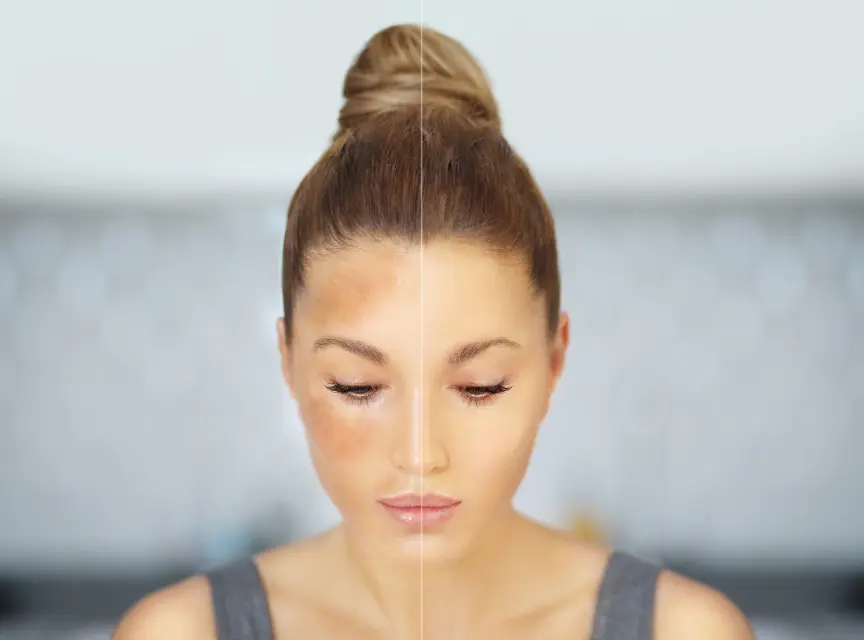
How Laser Hair Removal Reduces Dark Spots
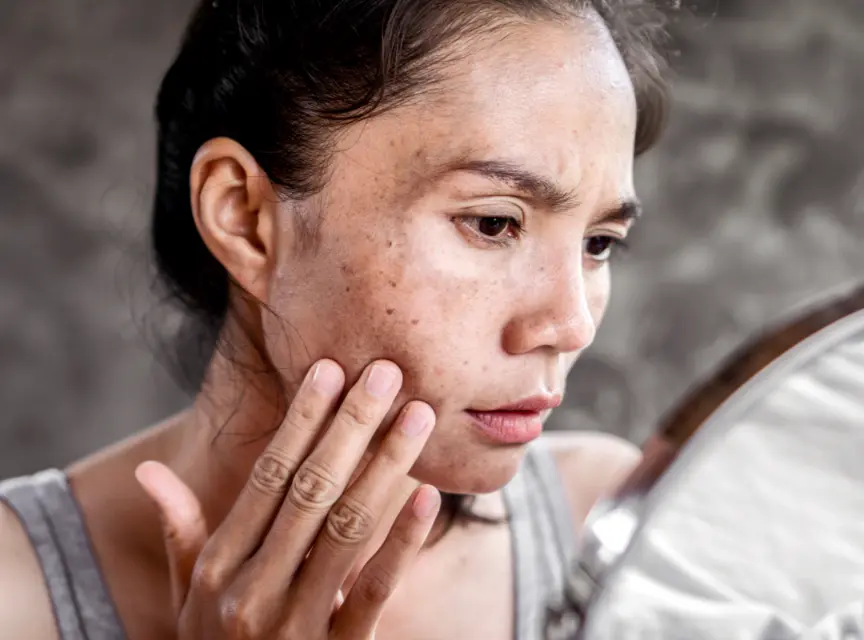
“Post-inflammatory hyperpigmentation” is one of the most common reasons people search for answers about hair removal and pigmentation. Areas like the bikini line, underarms, and jawline are especially prone to ingrown hairs, and every ingrown hair creates a small wound. As that wound heals, your body sometimes produces extra melanin at the site, leaving a dark spot that can linger for months.
Since laser hair removal reduces the number of hairs that grow back, it also reduces the number of ingrown hairs that could develop into new marks. This is where the connection between hair removal and pigmentation becomes clearer. It’s not that the laser is lightening existing spots; it’s that the root cause of new spots is being addressed (at the follicle level).
Existing pigmentation from years of irritation will still need its own care, such as medical-grade skin peels or topical treatments, to fade completely.
Why Skin Tone & Fitzpatrick Type Matter
Darker skin tones carry a higher risk of pigmentation changes after any laser treatment. This comes down to how much melanin is in your skin versus the hair. The Fitzpatrick skin type scale ranges from Type I (very fair) to Type VI (deeply pigmented). This gives providers a way to judge how much melanin is present and which laser settings are appropriate.
For people with lighter skin tones, the contrast between skin and hair pigment is usually high so that the laser can target the follicle without much risk to the surrounding skin.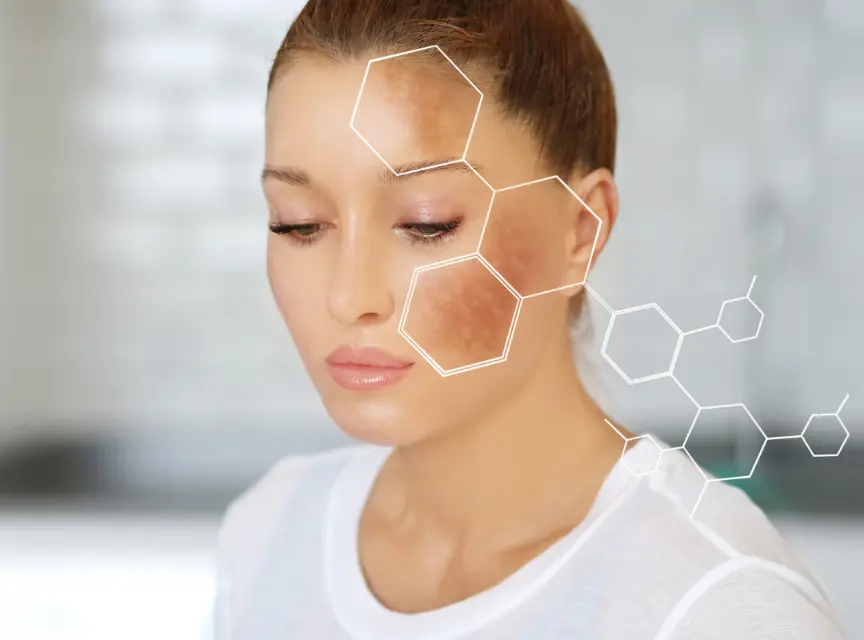
For people with deeper skin tones, that contrast is smaller, meaning the laser has to be more precise. Using the incorrect settings or wrong laser on darker skin can cause burns, which almost always lead to new pigmentation rather than fading existing marks. This is why choosing a provider experienced with a full spectrum of skin tones and one who uses equipment appropriate for sensitive skin matters as much as the treatment itself.
There are certain lasers, like “Nd: YAG”, that are built specifically to work safely on deeper skin tones because the wavelength bypasses more of the surface melanin and goes straight for the follicle.
Older or less appropriate laser types can scatter energy across the surface of your skin, increasing the odds of irritation and pigment changes rather than reducing them.
Is Hyperpigmentation Related to Sun Exposure
Sun exposure plays a bigger role in pigmentation outcomes than most people expect. Skin that’s been tanned or sunburned has more active melanin at the surface. This raises the risk of pigment changes during and after laser treatments. This is true for every skin type, but the risk climbs for darker skin tones, where melanin is already more concentrated.
Sun protection before and after a session helps the skin heal properly without extra pigment being triggered by UV exposure. Most skin doctors recommend limiting direct sun exposure to treated areas for a few weeks, along with daily SPF, so the skin isn’t dealing with two stressors (sun damage and laser recovery) at the same time.
How to Set Realistic Expectations
It’s worth being clear that laser hair removal is not a pigmentation treatment on its own. If your goal is melasma, fading sun spots, or pigmentation from acne unrelated to hair follicles, other options like IPL (Intense Pulsed Light), medical-grade skin peels, or topical brightening ingredients are better suited.
What laser hair removal does well is reduce the ongoing cycle of irritation, ingrown hairs, and razor bumps that cause new dark marks to form.
For someone dealing with pigmentation concentrated in areas where they regularly shave or wax, like the upper lip, bikini line, or underarms, reducing hair growth in that area can make a real difference over several sessions, since fewer ingrown hairs means fewer new marks appearing. Existing pigmentation, though, usually requires a dedicated plan alongside the hair removal process.
Visit Skin Artistry Clinic in Alamo for Laser Hair Removal
Need a consultation to see how your skin tone and hair type respond to treatment? Call Skin Artistry Clinic in Alamo, California. Beyond laser and hair removal services, we also offer SKINVIVE™ by Juvéderm®, Botox®/Dysport®, Photofacial, and Kybella.
You can also visit us for Microneedling with PRP, PRP Hair Rejuvenation, medical-grade skin peels, medical-grade skin care lines, Longevity Medicine & Wellness, Fillers, RF Microneedling, Hydrafacial, and IV Therapy. Contact us for more information.