
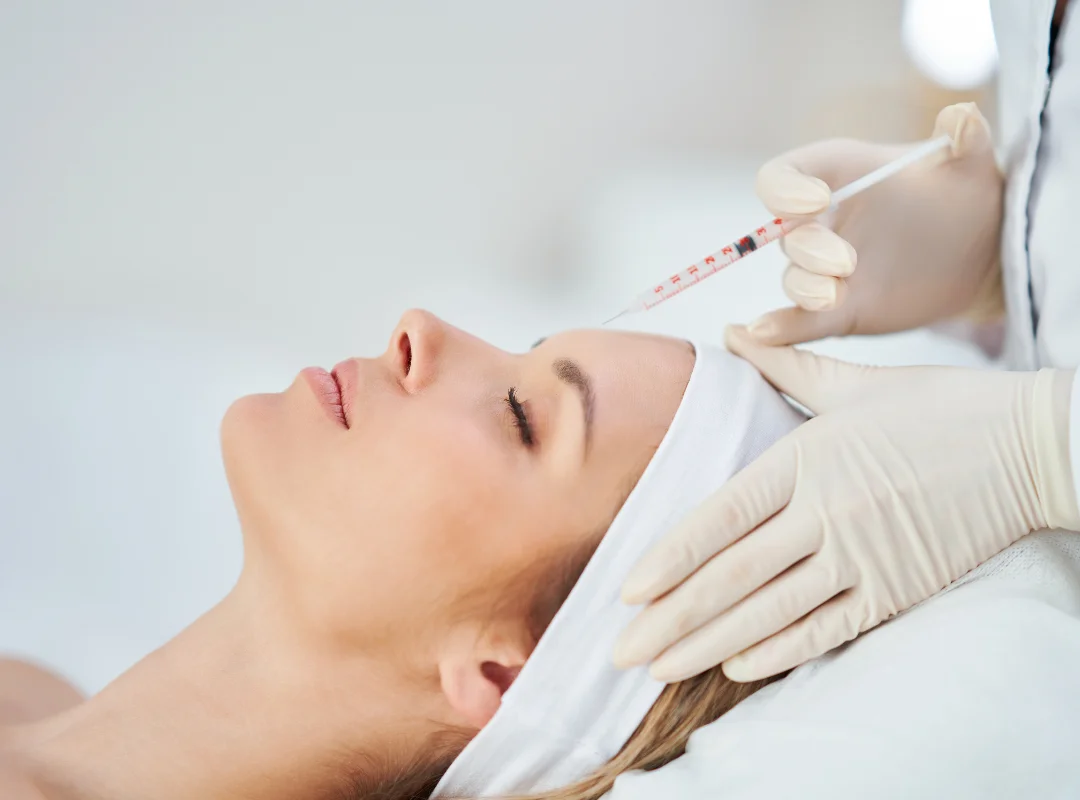
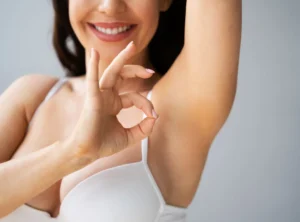
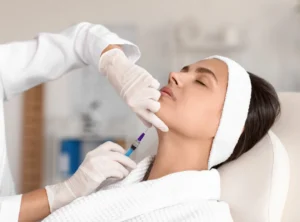
The 8 most popular areas to use Botox are the forehead, frown lines, crow’s feet, brows, nose, lips and chin, jaw, neck, and underarms. On the face, Botox softens expression lines and preserves your natural movement when dosed well. Lower down, it can slim a square jaw, smooth neck bands, and reduce heavy underarm sweating. Each area takes a few quick injections with no downtime. Results last 3 to 4 months.
How Botox Works
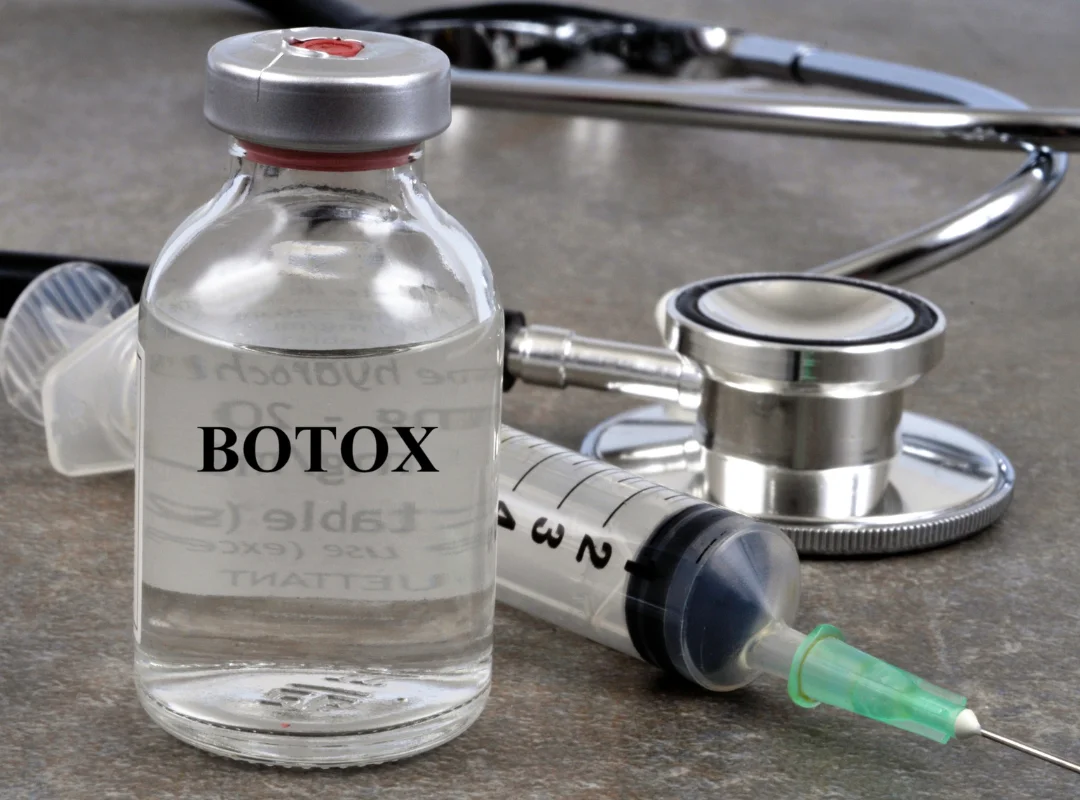
Botox is botulinum toxin type A, a purified protein that temporarily blocks nerve signals to targeted muscles. When the signal stops, the muscle relaxes, and the skin above it smooths out.
Botox temporarily smooths dynamic wrinkles, the expression lines caused by repetitive facial expressions such as frowning, squinting, and raising your eyebrows.
Botox does not freeze your face; your injector relaxes the muscles that crease the skin, so you can still smile, frown, and raise your brows.
Botulinum Toxin Type A vs. Filler
Botox is not a filler. It weakens targeted muscles rather than adding volume, so it does not fill hollows or replace lost collagen. The difference between Botox and Juvederm comes down to that: Botox relaxes movement, and filler adds volume.
A qualified medical professional should always administer Botox because the dose and placement determine how natural the result looks.
8 Areas to Use Botox
These are the areas on the face and body where Botox is injected, from the forehead down.
1. Forehead Lines
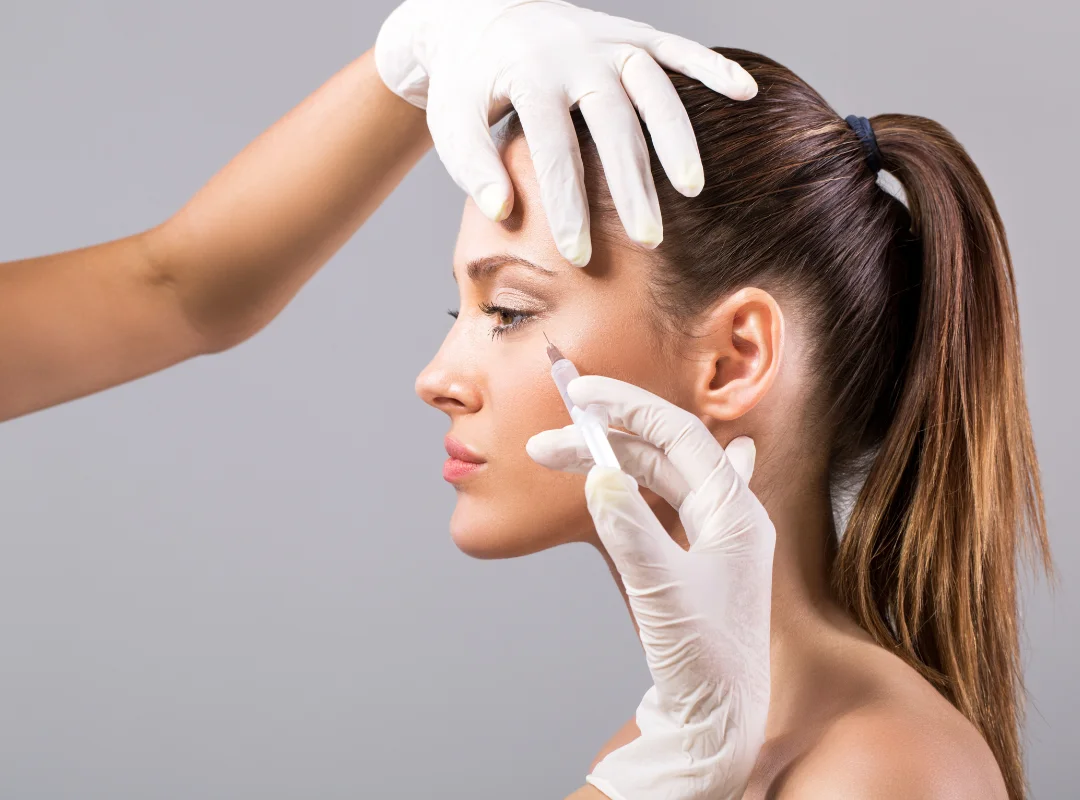
Botox is commonly injected into forehead lines. Horizontal forehead lines form when the frontalis muscle lifts your eyebrows, and they deepen with age and sun exposure. Relaxing that muscle softens the lines while keeping enough movement for natural-looking results.
Botox Cosmetic has been FDA-approved for forehead lines since 2017, and these options show how it compares with other choices.
2. Frown Lines
Frown lines are the vertical lines between the eyebrows caused by muscle contractions. Doctors call them glabellar lines, and they make a face look tense or angry even at rest. Botox has been FDA-approved for treating glabellar lines since 2002, the first cosmetic use the FDA cleared.
3. Crow’s Feet
Botox received FDA approval for crow’s feet in 2013. Crow’s feet are fine lines radiating from the outer corners of the eyes, and they are a popular area for Botox injections. They form from squinting and smiling, and sun damage makes them more visible.
4. Brow Lift
Botox lifts and tightens the brow area. Small doses placed under the outer tail of the brow relax the muscle that pulls it down, so the brow rises slightly, and the eyes look more open. This non-surgical treatment gives a subtle lift that opens eyes without surgery.
5. Nose, Lips & Chin
The lower face has three smaller treatment areas:
- Bunny lines: small wrinkles on the bridge and sides of the nose that appear when you smile or scrunch your face.
- Lip lines and lip flip: a few units relax the muscles around the mouth, causing the upper lip to roll slightly outward. The lip flip vs. lip filler comparison explains which suits thin lips.
- Chin dimpling: an overactive chin muscle creates a bumpy, orange-peel texture, and Botox smooths it.
6. Jaw
Botox is injected into the masseter muscles to reduce jaw size. The masseters are the chewing muscles at the back of the jaw, and they enlarge in people who clench or grind their teeth. Botox reduces jaw muscle size over several weeks for a slimmer appearance and a more tapered jawline, and it eases clenching. A softer jaw angle is one way to improve your jawline without surgery.
7. Neck Bands
Platysmal bands are vertical neck cords that become more prominent with age. Botox treats these bands by relaxing the platysma muscle that pulls them tight. This improves neck contour and the jawline. Botox Cosmetic received FDA approval for platysma bands in 2024.
8. Underarms
Botox can reduce excessive underarm sweating. Severe underarm sweating affects about 3% of US adults, and Botox has been FDA-approved to treat it since 2004. Injections block nerve signals that activate the sweat glands, so the treated area stays drier for months.
Botox Units by Area
Botox units vary by area, muscle strength, and individual response. Your injector plans the exact dose, and these FDA-approved starting doses show how each area compares:
- Frown lines: 20 units
- Forehead lines: 20 units, given together with the frown lines
- Crow’s feet: 24 units, split between both sides
- Platysma bands: 26, 31, or 36 units, depending on severity
- Underarms: 50 units per underarm
- Chronic migraines: 155 units across the head and neck
Smaller areas such as bunny lines, the lip flip, and chin dimpling use only a few units each. Men and people with stronger facial muscles often need more.
When to Expect Botox Results
Injections feel like quick pinches, and small bumps at the injection points fade within an hour. After that, results follow a set timeline:
- Days 3 to 7: Initial Botox results show as lines start to soften.
- Week 2: Most people see full results in facial areas.
- Up to 30 days: Full results appear in larger muscles like the jaw.
- Months 3 to 4: Botox effects wear off, and movement slowly returns.
Most patients book touch-ups every 3 to 6 months. Younger patients with shallow lines often schedule Botox every 4 to 6 months. When you stop, Botox does not make wrinkles worse. As the effects wear off, movement returns, and your lines go back to how they would have looked without treatment.
Best Results From Your Botox Treatment
A few steps help you achieve the best results from each Botox treatment:
- Book a consultation first. Your injector maps your muscles and plans doses for each area.
- Plan the right timing. Book at least 2 weeks before a wedding or photo event so full results are in place.
- Follow aftercare. Knowing what not to do after injectables, like lying flat or rubbing the area for 4 hours, helps keep the product in the treated areas.
- Space out facials. Wait the recommended time for a facial after Botox, so massage doesn’t move the product.
- Protect your skin. Daily SPF and good skincare slow the collagen loss and sun damage that Botox cannot fix.
Botox helps maintain a youthful appearance by reducing wrinkles. Its benefits last longest when it is part of a plan that includes other treatments that protect the skin.
Book a Botox Appointment in Alamo, CA
Skin Artistry Clinic offers Botox and Dysport in Alamo, CA, for every area on this list, including masseter, platysma, sweating, and migraine treatment. Board-certified physician Dr. Faiqa Chaudhry, MD, performs each injection herself and doses each area for natural-looking results.
For sun damage and uneven tone that Botox does not treat, ask about an IPL photofacial. Call 925-404-4293, visit us at 3189 Danville Blvd, Suite #245, Alamo, CA 94507, or email drfaiqa@skinartistryclinic.com to book your Botox appointment.