

Laser hair removal is one of the most effective methods for reducing unwanted hair. If you’ve had enough of constant shaving, waxing, or threading, this long-term solution is definitely worth considering. The treatment uses laser technology to target hair follicles, helping reduce hair growth over time. People love it for the promise of smoother skin and freedom from ingrown hairs. One common question that pops up after a laser hair removal session is, “Why didn’t my hair fall out after laser hair removal?” It can be confusing, especially when you expect to see immediate results. There are several reasons behind it, and understanding how laser hair removal works can help clarify the confusion. Keep reading!
How Laser Hair Removal Works
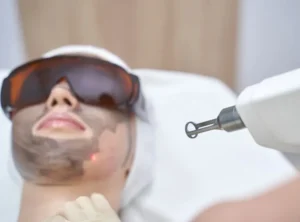
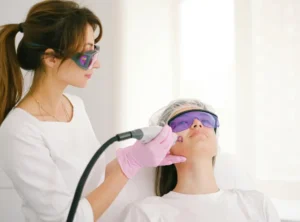
Laser hair removal treatments work by using light energy to target and damage the follicle’s ability to regrow hair. During a treatment session, the laser targets the pigment (melanin) in your hair. The energy travels down the shaft to the root, heating it and disrupting the hair follicle. This damage reduces future growth in the treated area.
The laser is most effective on hair in the active growth phase, also known as the anagen phase. Hair in other stages of the natural hair growth cycle, such as the resting or shedding phase, may not absorb enough energy for effective damage. This is why multiple sessions are needed for optimal results.
The Hair Growth Cycle
To understand why hair doesn’t fall out immediately, you need to know how the hair growth cycle works. Hair doesn’t grow all at once, it moves through different growth stages:
- Anagen phase (active growth phase): The hair is actively growing, and the laser can effectively damage the follicle.
- Catagen phase (transition phase): The hair detaches from the follicle, making laser treatment less effective.
- Telogen phase (resting phase): The follicle rests before new hair growth begins.
Only a small percentage of hairs are in the right growth phase at any given time. That means during one hair removal session, not all hairs will be treated effectively. The damaged ones will fall out gradually over several weeks, while others will remain until they enter their next growth phase and are treated in future laser sessions.
When Hair Doesn’t Fall Out Immediately
If your hair didn’t fall out after laser hair removal, don’t panic. It doesn’t mean the laser treatment failed. The shedding process can take time. In many cases, treated hairs loosen slowly and appear as though they’re still growing. These are actually dead hair being pushed out by the skin.
You might notice that hair appears softer, finer, or lighter in color. This change means the laser has weakened the follicles. The shedding usually starts a week or two after treatment and continues for several weeks. The exact timing depends on your hair type, skin color, and the area treated.
Not All Hairs Fall Out After Laser
It’s normal that not all hairs fall out after laser treatment. Remember, your hair grows in cycles. The laser only targets follicles in the anagen phase. Hairs in other phases stay unaffected until they cycle back into active growth. This is why a complete treatment plan involves multiple sessions spaced weeks apart.
For example, if you treat areas like the upper lip, where hair grows quickly, you may need more frequent sessions. On the other hand, areas with slower hair growth, such as the legs or arms, may require longer intervals between treatments. Setting realistic expectations helps you understand that permanent hair removal takes time.
How the Shedding Process Works
The shedding process can appear differently for each individual. After your treatment session, the treated hairs may begin to fall out on their own or when you exfoliate gently. You can use a soft washcloth or loofah in a circular motion a few times a week to help remove dead hair. Avoid being aggressive. Gently exfoliate your skin to prevent irritation.
The process can last from a few days to several weeks post-treatment. During this time, you may think hair is regrowing, but often it’s just the treated hairs being expelled. Dead hairs can look like new hair growth, but they’ll soon shed naturally.
Factors That Affect Shedding
Several factors influence how and when your hair falls out after laser hair removal:
- Hair color and thickness: Dark hair absorbs more laser energy than light hair. Thick hairs respond better than fine hair.
- Skin type and skin tone: The laser targets pigment, so your skin color can affect how much energy reaches the follicles. Modern laser technology allows safe treatment for most skin tones.
- Hormonal influences: Hormonal changes can trigger new hair growth even after treatment. Conditions like PCOS or thyroid imbalance can also affect results.
- Sun exposure: Excessive sun exposure before or after your session can make your skin sensitive and delay the shedding process.
- Cooling gel and aftercare: Using a cooling gel or aloe vera after treatment helps soothe the skin and prevent irritation, allowing the shedding process to happen more comfortably.
It’s advisable to consider all factors that affect shedding. You might find something relevant to your condition.
When Hair Appears to Grow Back
If new hair appears after a laser hair removal session, it doesn’t always mean the treatment didn’t work. What you’re seeing might be new hair growth from follicles that weren’t in the right phase during your last treatment. Hair regrowth can also happen if damaged follicles recover slightly. Repeated sessions reduce their ability to regrow hair over time.
It’s also possible that hormonal changes or medications have triggered new growth. If you notice thick hair returning in the treated area, mention it during your next treatment session. Your technician can adjust the settings or modify your treatment plan to address future growth more effectively.
What to Expect in the Following Weeks
In the weeks following treatment, the treated area may appear patchy. Some spots will feel smooth, while others still have hair. This uneven look is temporary and completely normal. Your laser specialist may recommend scheduling the subsequent hair treatment every 4 to 6 weeks, depending on the area and your hair type.
During this time, avoid plucking or waxing. Those methods remove hair from the root and interfere with the follicle’s response to laser energy. Shaving is fine since it only removes hair from the surface. Keep the area moisturized, avoid excessive sun exposure, and use gentle skincare products to prevent skin irritation.
Maintaining Long-Term Results
Laser hair removal offers a long-term solution to unwanted body hair, but maintenance sessions are often necessary. Even after several treatments, not all follicles are permanently destroyed. Some may recover due to hormonal influences or natural body changes. Regular maintenance sessions, every few months or annually, help keep your skin and hair free from issues and smooth.
If you want the best possible results, stick to your treatment plan. The consistency of your laser sessions plays a big role in how well the results last. Missing appointments or extending the time between sessions can allow follicles to recover and start growing again.
Setting Realistic Expectations
Laser hair removal works incredibly well for many people, but results vary. Factors such as hair type, skin tone, and hormonal balance influence how your body responds. Setting realistic expectations helps you appreciate the process. It’s not about seeing every single hair fall out right away. It’s about reducing overall hair growth for good.
Some people notice dramatic changes after just one treatment, while others see slower progress. Don’t get discouraged if your hair didn’t fall out right away. Laser hair removal works gradually, and patience always pays off.
Final Thoughts On Laser Hair Removal
So, why didn’t your hair fall out after laser hair removal? The answer lies in timing, growth cycles, and how your body responds. The laser damages the follicles during the right growth phase, and shedding happens in the following weeks. Not all hairs fall out immediately, and that’s perfectly normal. Follow your treatment plan, take care of your skin, and trust the process. With multiple sessions and proper aftercare, you’ll enjoy smoother skin and reduced hair growth. Laser hair removal isn’t a quick fix, but it’s a reliable and effective way to remove unwanted hair for the long haul.
Lasting Results with Laser Hair Removal at Skin Artistry Clinic
If you’ve ever wondered if your hair falls out after laser hair removal, you’re not alone. Skin Artistry Clinic, led by Dr. Faiqa Chaudhry, MD, has the answers and the perfect fix. Our advanced laser hair removal treatments target the hair follicles during the right growth phase to ensure long-lasting results. Sometimes, timing or skin response can affect shedding, but our skilled specialists personalize each session to match your unique hair growth cycle for optimal results.
Dr. Faiqa Chaudhry, MD, also offers other advanced services like chemical peels to refresh dull skin and PRP therapy to boost your natural radiance. Say goodbye to unwanted hair for good. Contact us to schedule your laser hair removal session at the Skin Artistry Clinic today.