
Getting a PRP facial, also called a vampire facial, sounds more intimidating than it actually is. The treatment uses your own blood to stimulate collagen production and improve skin texture. But like any cosmetic procedure, it comes with side effects worth understanding before you book your appointment.
PRP facial treatment side effects are usually mild and temporary. Most patients experience swelling, redness, and bruising at the injection sites for a few days. Serious risks like infection or vascular injury are rare but possible.
This guide breaks down exactly what to expect, from mild discomfort after your first session to the rare risks your provider should always discuss with you.
How PRP Injections Work for Facial Rejuvenation
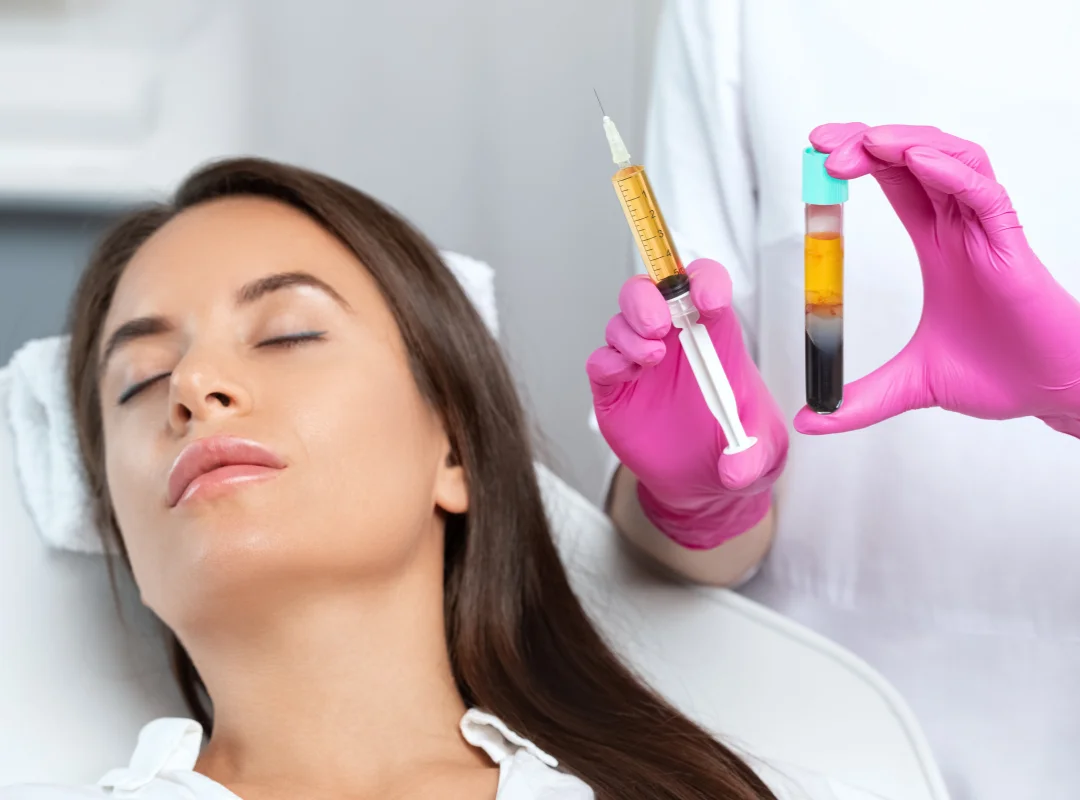
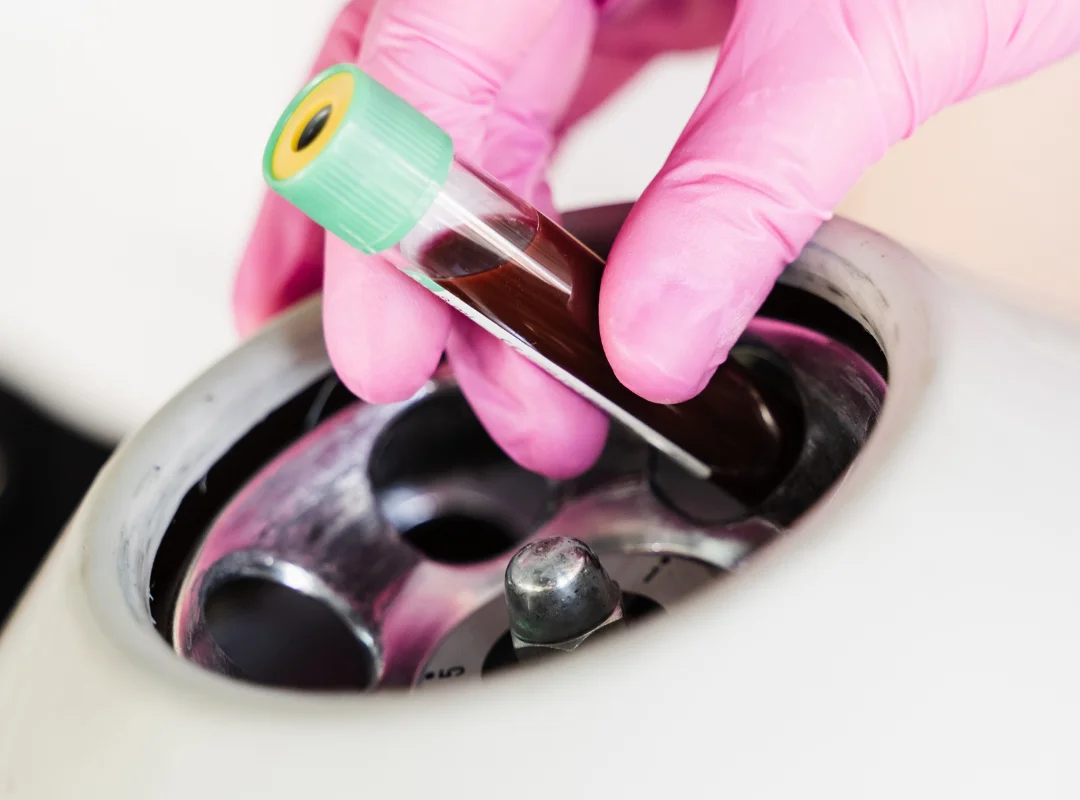
The procedure starts with a small blood draw from your arm. Your provider then places the blood into a centrifuge, a machine that spins rapidly to separate the blood into its components. Incorporating mechanized micro-channels allows the growth factors to penetrate much deeper, which is why Skin Artistry Clinic recommends microneedling with PRP to target deep-set textures.
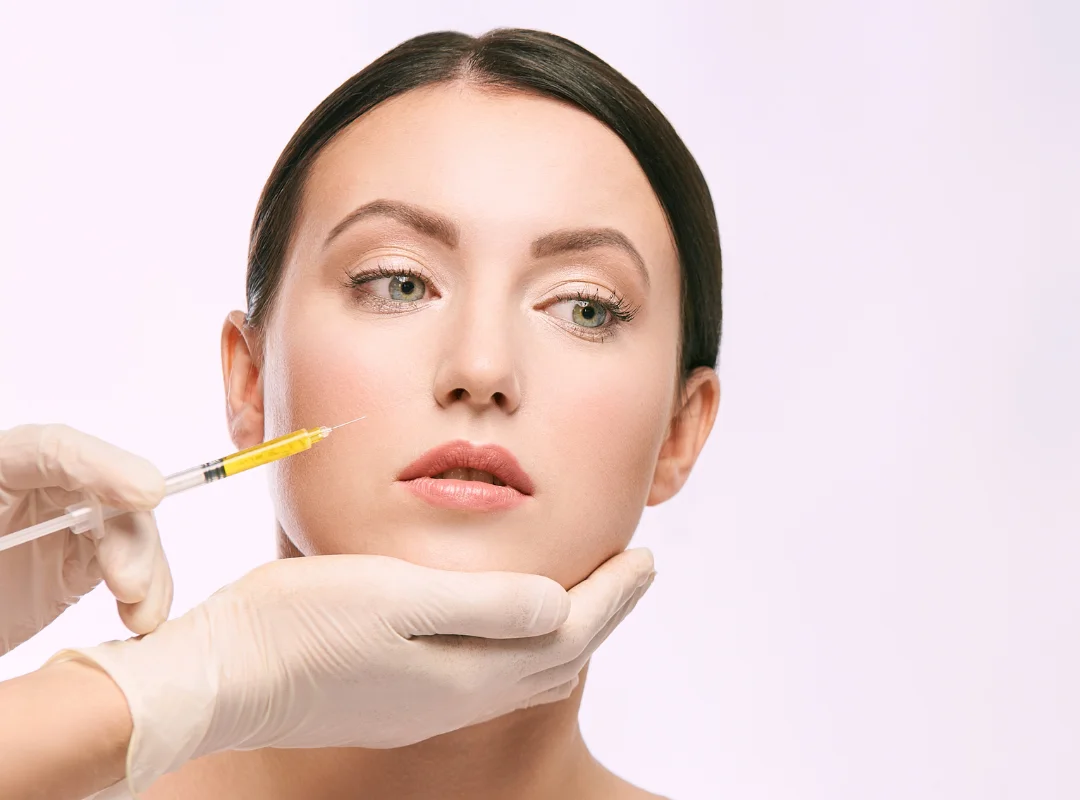
The layer containing a high concentration of platelets and plasma is extracted. This is your PRP. Your provider applies a topical numbing cream to your face before injecting the PRP into the treatment area using a fine needle or microneedling device.
Some providers combine PRP with hyaluronic acid filler for more immediate results. The entire procedure typically takes between 45 minutes and two hours, depending on the approach. According to the American Academy of Dermatology, most patients who see results require three or more PRP treatment sessions.
Common PRP Facial Treatment Side Effects at Injection Sites
Most side effects from PRP injections are localized to the injection sites and resolve within a few days. According to the Cleveland Clinic, common reactions include:
- Swelling at and around the treated area
- Redness that can last 24 to 72 hours
- Bruising, especially in areas with thinner skin
- Tingling or a mild tightening sensation
- Itching as the skin begins to heal
- Temporary skin tone changes, including pink or dark brown patches
These reactions are a normal part of the healing process. Your body is responding to the micro-trauma of the injections, which is exactly what triggers collagen production and cellular renewal. They are not signs that something has gone wrong.
Mild Pain & Mild Discomfort
The numbing cream applied beforehand significantly reduces sensation at the injection sites. Most patients describe the experience as pressure rather than pain.
Once the numbing cream wears off, you may notice mild pain, tenderness, or a dull ache in the treated area. This is temporary and manageable with over-the-counter acetaminophen (Tylenol). Avoid NSAIDs like ibuprofen or aspirin for pain relief, as these are blood thinners that can increase bruising.
Most patients are comfortable returning to their normal daily activities the same day. Strenuous exercise, however, should be avoided for at least 24 to 48 hours after your session.
Collagen Production & the Healing Process
The real work happens in the weeks after your appointment. Growth factors from the PRP stimulate your skin cells to produce new collagen and elastin.
Patients notice visible smoothing and improved skin texture starting around two weeks after the treatment. Gradual improvements in acne scars, wrinkles, and uneven skin tone continue for several weeks as collagen remodeling progresses.
This gradual texturing shift is the primary reason the treatment is celebrated for its structural anti-aging benefits, as the cellular jumpstart clearly shows that microneedling helps reduce wrinkles over a multi-month period.
If hyaluronic acid filler was included in your session, you’ll see immediate volume and plumping results on top of the longer-term PRP effects. Full results from a full course of PRP treatments can last 12 to 18 months.
Possible Risks of Infection & Bruising
If the blood is not handled in a sterile environment throughout this process, bacteria can enter the bloodstream or skin. This is why you should always receive PRP treatments from a qualified, licensed provider who follows strict sterile handling protocols.
Other possible risks include:
- Nodule formation at injection sites, which can occur as a rare reaction to hyaluronic acid filler
- Persistent swelling that doesn’t resolve within a week
- Vascular occlusion, which happens if filler is accidentally injected into a blood vessel, can cut off the blood supply and cause tissue damage in the treated area.
- Excessive bleeding in patients with underlying clotting issues
According to a review published in ScienceDirect, adverse events from PRP therapy can also include inflammation and allergic reactions, though these occur in rare cases. Choosing an experienced, board-certified physician dramatically reduces these risks.
Because these results compound over time, patients frequently find that the long-term structural benefits of microneedling with PRP make it one of the most valuable preventative therapies on the market.
What to do After PRP Treatment
What you do after your PRP treatment matters just as much as the procedure itself. Following your provider’s aftercare instructions closely helps prevent infections, reduce swelling, and support healing.
Key aftercare guidelines include:
- Avoid makeup and harsh skincare products for at least 24 hours after treatment.
- Skip strenuous exercise for 24 to 48 hours to reduce the risk of increased swelling and bruising.
- Stay out of direct sunlight and avoid excessive sun exposure for several days.
- Use ice packs (wrapped in a cloth) to reduce swelling in the first 24 hours.
- Sleep with your head elevated for the first night to minimize puffiness.
- Avoid heavy creams or occlusive moisturizers on the treated area until your skin has settled.
Do not pick, scratch, or press on the injection sites. If you notice signs of infection, contact your provider immediately.
Conclusion
For most healthy patients, PRP facial treatments offer a low-risk, minimally invasive path to younger-looking skin with minimal downtime. The side effects are real but manageable, and serious complications are rare when the procedure is performed correctly.
Understanding what to expect at injection sites, how the healing process unfolds, and what your body needs post-treatment puts you in a much stronger position to get the most from your sessions.
PRP Treatment at Skin Artistry Clinic
If you’re ready to explore whether PRP treatment is right for you, schedule a consultation with a board-certified physician who can assess your skin, review your medical history, and walk you through a personalized treatment plan. Dr. Faiqa Chaudhry, MD, at Skin Artistry Clinic, is here to help you make an informed, confident decision.