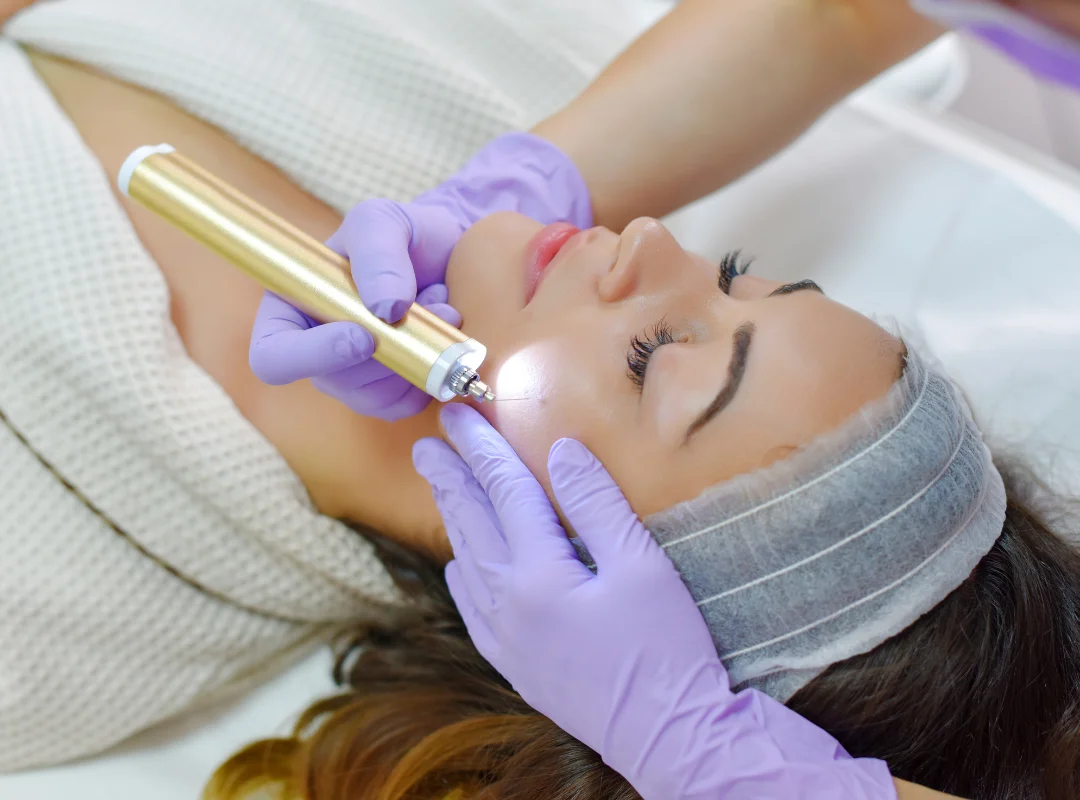

You can get rid of moles on skin through surgical excision, surgical shaving, laser mole removal, or cryotherapy using liquid nitrogen. Each method suits a different mole type and location. Home remedies like apple cider vinegar are not safe and can cause chemical burns and scarring.
Most people have between 10 and 40 moles on their skin, according to Scripps Health. Most are harmless. But when a mole changes shape, grows, or simply bothers you for cosmetic reasons, you have safe, proven medical options for removing it.
This guide walks you through every treatment option, what to expect during recovery, and when to seek professional care.
When Should You See a Doctor About Mole Removal?
Some moles are precancerous or cancerous, and home removal prevents proper diagnosis. A doctor examines the mole, determines whether it is benign, and recommends the safest removal method for your skin type and the mole’s size and depth.
Book an appointment if your mole is new, growing, bleeding, or changing in any way. These are warning signs that require professional evaluation, not a wait-and-see approach. When using high-precision cosmetic tools on highly visible skin, many patients wonder whether laser hair removal is painful.
Difference Between Cancerous & Common Moles
Common moles are small, round or oval-shaped skin growths with a well-defined border. They are typically flesh-colored, pink, tan, or brown.
Dermatologists use the ABCDE method to identify moles that may be cancerous:
- Asymmetry: One half of the mole does not match the other
- Border: The edges are irregular, ragged, or blurred
- Color: Uneven color with shades of brown, black, red, or white
- Diameter: Larger than a pencil eraser (about 6mm)
- Evolving: The mole is changing in size, shape, or color
If your mole checks any of these boxes, see a dermatologist promptly. Do not attempt home removal.
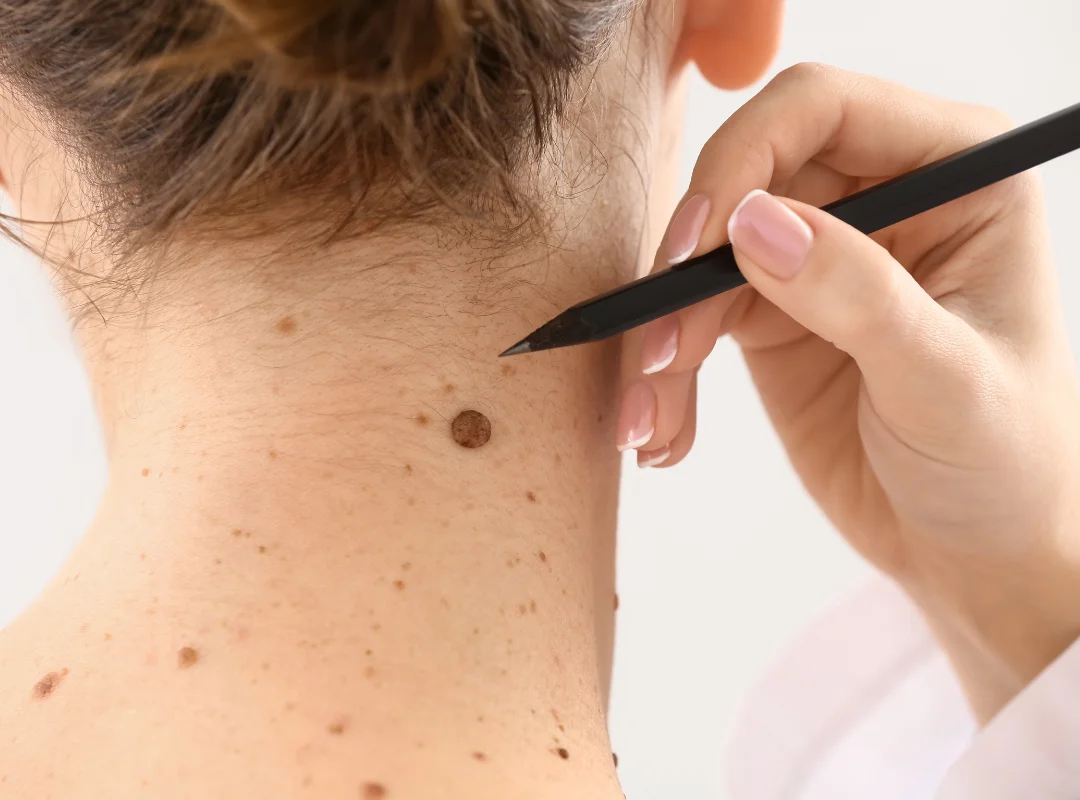
Medical Treatment to Remove a Mole
Surgical Excision
Surgical excision is used for larger moles or those that extend deeper into the dermis. A medical professional numbs the area with a local anesthetic, then uses a scalpel to remove the entire mole, along with a small margin of surrounding skin. Surgical excision is the most thorough method. It removes the mole completely and allows the tissue to be sent for biopsy.
Surgical Shaving
Surgical shaving works best for small, raised, non-cancerous moles. The doctor uses a small blade to shave off the raised part of the mole until it sits level with the surrounding skin. No stitches are required.
The doctor may apply electrocautery to control bleeding and reduce the chance of regrowth. This method typically causes minimal scarring. For context on energy-based recoveries, checking scars from laser hair removal treatments shows that structured, professional laser sessions rarely pose a long-term scarring risk when paired with proper aftercare.
Laser Mole Removal
Laser removal is the most non-invasive option. Directed beams of energy break down the pigment inside the mole, which the body then absorbs and eliminates naturally.
Laser mole removal works best on flat, superficial moles that don’t extend into the deeper layers of the skin. It causes little damage to the healthy skin around the mole and is a strong option for sensitive skin and visible areas like the face.
Liquid Nitrogen (Cryotherapy)
Cryotherapy uses liquid nitrogen to freeze and destroy mole tissue. The doctor applies a small amount of liquid nitrogen directly to the mole. A blister may form and fall off naturally within days. This method is quick and minimally invasive, but it is not suitable for large, deep, or potentially cancerous moles.

Can You Remove a Mole at Home?
No. Home removal is not safe. Apple cider vinegar (ACV) is widely promoted online as a natural remedy for moles. The method involves applying ACV to the mole daily until it falls off.
Here is what the research shows:
- ACV contains acetic acid, which can cause chemical burns, permanent scarring, and lasting skin damage.
- ACV only affects the outermost layers of the skin. Moles extend deeper into the dermis, so they are never truly removed.
- If the mole is cancerous, removing only the visible surface leaves cancer cells behind to continue spreading.
Home removal also eliminates the possibility of a biopsy, which is the only way to confirm whether a mole is benign or malignant. Attempting any home remedy delays diagnosis and puts your health at risk.
Make an Informed Decision About Mole Removal
Mole removal is a straightforward procedure when handled by the right professional. The key is an accurate diagnosis before treatment. Knowing whether your mole is benign, atypical, or cancerous shapes every decision that follows.
If you have a mole you’re concerned about, whether for health reasons or cosmetic reasons. Contact Skin Artistry Clinic to schedule a consultation with Dr. Faiqa Chaudhry, MD. She assesses the mole’s appearance, recommends the right skin treatment, and guides you through recovery with specific, step-by-step aftercare instructions. Contact us now!