

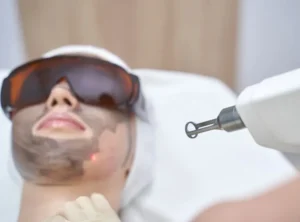
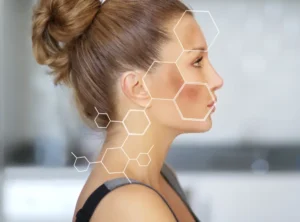
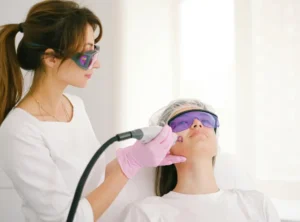
In recent years, laser skin treatments have become a go-to solution for addressing a variety of skin concerns, from acne scars to sun damage and wrinkles. Whether you’re looking to rejuvenate your complexion, reduce the appearance of skin scars, or even remove unwanted hair, laser skin resurfacing offers a non-invasive, effective option. But how do these treatments work? And what can you expect during and after a laser skin procedure? Let’s break down everything you need to know about laser skin treatments to help you decide if this is the right option for you.
What is Laser Skin Resurfacing?
Laser skin resurfacing is a treatment that uses laser light to improve the appearance of the skin. The technology works by directing concentrated light energy onto the skin, which targets specific areas to treat sun damage, scars, uneven texture, wrinkles, and other skin imperfections. Depending on the type of laser used, laser treatments can remove outer layers of the skin, stimulate collagen production, or treat deeper layers to promote healing and skin regeneration.
There are two main types of laser skin resurfacing: ablative lasers and non-ablative lasers. Both types use focused energy but differ in their intensity and depth of penetration into the skin.
What Are the Different Types of Laser Skin Treatments?
Here are the different types of laser skin treatments.
1. Ablative Lasers
Ablative lasers, such as the CO2 laser and erbium lasers, are the most intense type of laser skin resurfacing. These lasers work by removing the outer layers of the skin, which is ideal for treating more severe skin concerns like deep wrinkles, surgical scars, and sun-damaged skin. The CO2 laser is often used for more aggressive resurfacing, while erbium lasers tend to be gentler and better suited for finer lines and sun spots.
After an ablative laser treatment, the skin will need more time to heal, typically a few days to a week, depending on the procedure’s intensity.
2. Non-Ablative Lasers
Non-ablative lasers, like fractional lasers and pulsed dye lasers, target the deeper layers of the skin without removing the outer layers. These lasers are ideal for treating skin texture issues, mild acne scars, and sun damage. Non-ablative treatments work by stimulating collagen production and collagen remodeling without the downtime associated with ablative lasers.
Fractional lasers are particularly popular because they deliver energy in tiny columns, leaving surrounding tissue untouched, which accelerates healing. These lasers are effective for tightening skin, reducing wrinkles, and improving skin texture over time.
3. Intense Pulsed Light (IPL)
Intense pulsed light is not technically a laser but works similarly to treat a variety of skin conditions. IPL targets specific skin concerns like vascular lesions, spider veins, and age spots. By emitting broad-spectrum light, it helps to stimulate collagen production while also treating pigmentation issues. While IPL treatment is less aggressive than other lasers, it’s effective for improving overall skin tone and texture.
4. YAG Laser
The YAG laser is often used for treating deeper layers of the skin and is particularly effective for vascular lesions or deep wrinkles. This type of laser skin therapy is also commonly used in hair removal, targeting hair follicles to reduce unwanted hair growth over time.
What Skin Concerns Can Laser Skin Treatments Address?
Laser skin treatments can be personalized to address a wide range of skin conditions and cosmetic concerns, including:
- Acne scars: Lasers can treat both depressed scars and hyperpigmentation left behind by acne.
- Sun damage: Laser resurfacing can help reduce the appearance of sun spots, age spots, and uneven skin tone caused by sun exposure.
- Wrinkles and fine lines: Collagen stimulation from lasers can reduce the appearance of deep wrinkles and sagging skin.
- Hyperpigmentation: Lasers like pulsed dye lasers target dark spots and sun damage, improving skin clarity and tone.
- Unwanted hair: Certain lasers, like the YAG laser, can help reduce unwanted hair on areas like the face, underarms, or legs.
- Skin texture: Lasers can smooth skin texture, making it appear more youthful and radiant.
How Do Laser Skin Treatments Work?
Laser skin treatments work by applying focused light energy to the skin. The energy targets specific areas of the skin, either by removing damaged skin or by stimulating the deeper layers to promote collagen growth. Ablative lasers vaporize the outer layers of the skin, which helps treat deeper skin concerns like wrinkles and scars. This process also stimulates collagen remodeling, promoting smoother, younger-looking skin.
Non-ablative lasers penetrate the skin without removing any layers, targeting deeper tissue to stimulate collagen production and tighten the skin. IPL treatments use broad-spectrum light to treat surface imperfections like pigmentation and vascular lesions while also encouraging collagen growth beneath the surface.
What Should You Expect During a Laser Skin Treatment?
Before your treatment, you’ll have a consultation with a dermatologist or licensed professional to discuss your goals, medical history, and treatment options. This ensures that the laser procedure is appropriate for your skin type and concerns.
Depending on the type of laser treatment, you may need a topical numbing cream to minimize discomfort. For more aggressive procedures like ablative lasers, you may also receive an injection of local anesthesia. The procedure itself can take anywhere from 30 minutes to a few hours, depending on the area being treated. You may feel a warming sensation or mild discomfort during the procedure, but this typically subsides quickly.
After your treatment, you may experience mild redness or swelling, especially with more aggressive lasers. It’s important to follow aftercare instructions, including avoiding sun exposure and applying antibiotic ointment or moisturizer to the treated area. Sun protection is essential to prevent sun damage during recovery.
How Long Does Recovery Take?
Recovery time varies depending on the type of laser treatment:
- Ablative lasers require more downtime, often several days to a week, as the skin heals.
- Non-ablative lasers typically require less recovery time, with most patients experiencing mild redness for a few hours to a few days.
- IPL treatments typically have minimal downtime, with some patients experiencing mild redness for only a few hours.
Is Laser Skin Resurfacing Safe?
Yes, laser skin resurfacing is generally safe when performed by a trained professional. However, it’s important to note that skin tone and skin type can impact the effectiveness and safety of certain treatments. For example, darker skin tones may require specific types of lasers to minimize the risk of hyperpigmentation or laser scarring. Always choose a reputable clinic with experienced professionals.
Conclusion
In conclusion, laser skin treatments offer a powerful, effective solution for improving skin appearance and addressing a wide range of skin concerns. By understanding the different types of lasers, the treatment process, and proper aftercare, you can make an informed decision about whether laser skin resurfacing is right for you. Always consult with a professional to get the best results and minimize risks.
FAQs About Laser Skin Treatments
Results vary depending on the treatment and the condition being addressed. For example, laser hair removal can provide permanent results after several sessions, while skin resurfacing can last up to a year or more with proper skincare and sun protection.
While lasers can work on most skin types, some treatments are more suitable for certain skin tones. For example, fractional lasers are often recommended for darker skin tones, while ablative lasers may require more caution. It’s important to discuss your skin type with a professional before proceeding.
Yes, Skin Artistry Clinic in Alamo, CA, offers a variety of laser skin treatments, including laser resurfacing, acne scar treatments, and skin rejuvenation. Their experienced team can guide you in choosing the best treatment for your skin concerns.
After laser skin resurfacing, it’s essential to use broad-spectrum SPF to protect your treated skin from sun exposure. Follow your provider’s aftercare instructions to ensure proper healing and avoid complications.
While generally safe, laser treatments carry some risks, including hyperpigmentation, scarring, or infection if not performed correctly. Always choose a qualified professional and follow aftercare instructions to minimize risks.
Call Skin Artistry Clinic for Laser Treatment in Alamo, CA
Achieve smooth, hair-free skin with professional laser hair removal at Skin Artistry Clinic in Alamo, CA. Dr. Faiqa Chaudhry, our board-certified practitioner, offers personalized laser hair removal treatments.
We also possess years of expertise in anti-aging and rejuvenation procedures, including IV therapy, fillers, Botox, and SkinVive. Call us now at 925-404-4293 to book your consultation today!