

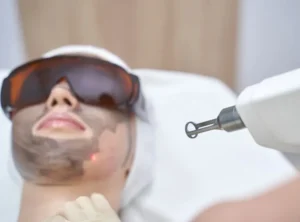
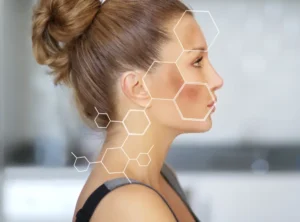
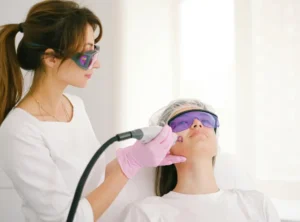
If stubborn scars refuse to fade no matter what you try, you might be wondering if a chemical peel could finally make a difference. These treatments have been used for decades to refresh dull, uneven skin and address issues like fine wrinkles, sun damage, and uneven pigmentation. But many people wonder: will a chemical peel remove scars? The answer depends on several factors, including the type of peel, the depth of your scars, and your skin type. While chemical peels can’t always completely remove deep scars, they can significantly improve their appearance. Let’s explore how chemical peels work and what you can expect before and after treatment.
What Is a Chemical Peel?
A chemical peel is a cosmetic outpatient procedure that uses a chemical solution to exfoliate and remove damaged skin cells from the top layers of the skin. Once the chemical solution is applied, the peeling process begins, revealing new, healthier-looking skin underneath that often appears brighter, smoother, and more even.
Chemical peels are generally performed by a dermatologist, aesthetician, or plastic surgeon in a controlled setting. Depending on the strength of the peel, it can target a range of concerns, including mild sun damage, fine wrinkles, acne scars, uneven skin tone, and rough skin.
At Skin Artistry Clinic, Dr. Faiqa Chaudhry personally performs chemical peel treatments, so that every step is customized to your unique skin type and goals.
How a Chemical Peel Works
During the procedure, the specialist cleans your face and applies a chemical peel solution made from ingredients such as alpha-hydroxy acid, beta-hydroxy acid, glycolic acid, lactic acid, salicylic acid, trichloroacetic acid, or phenol. These acids help remove damaged skin cells by dissolving the outermost layer of skin.
As the outer layer begins to shed, your body’s natural healing response kicks in, stimulating cellular turnover and collagen production. Over time, this helps minimize uneven pigmentation, reduce the appearance of acne scars, and smooth the skin texture.
Dr. Faiqa Chaudhry’s expertise in chemical formulations allows her to adjust the peel concentration safely for each patient, maximizing results while minimizing irritation or downtime.
Types of Chemical Peels
Chemical peels are categorized into three main types, each targeting distinct skin needs and addressing specific concerns at varying depths.
1. Light (Superficial) Peel
This gentle peel utilizes mild acids, such as alpha or beta-hydroxy acids, to gently exfoliate the skin’s surface. Often referred to as a “lunchtime peel,” it brightens dull skin and smooths mild discoloration with minimal downtime.
- Best for: Mild acne scars, fine lines, uneven tone
- Downtime: minimal downtime. Makeup can be worn the next day.
2. Medium Peel
Using stronger acids such as glycolic or trichloroacetic acid (TCA), this peel targets deeper wrinkles, pigmentation, and moderate acne scars. Expect some redness and peeling for about a week.
- Best for: Moderate acne scars, rough texture, uneven coloring
- Downtime: Around one week
3. Deep Peel
A phenol-based peel reaches the deepest layers to treat deep scars, severe wrinkles, and heavy sun damage. It delivers dramatic results but involves several weeks of recovery and strict sun protection.
- Best for: Deep wrinkles, scars, advanced sun damage
- Downtime: Several weeks
Can a Chemical Peel Remove Scars?
Now, to the main question: Will a chemical peel remove scars?
The answer is that chemical peels can significantly improve the appearance of scars, especially acne scars, but they may not completely remove them.
Light peels are great for surface-level scars or post-acne marks, while medium and deep peels can penetrate deeper skin layers to reduce more noticeable scarring. For deep scars, a deep chemical peel can help resurface the treated area, stimulating the production of new collagen and revealing smoother skin.
However, the success of your results depends on several factors, including:
- The depth and type of scar
- Your skin tone and skin type
- The type of peel used
- How well you care for your treated skin after the procedure
Many people notice that a combination of medium-depth peels, performed weeks apart, achieves optimal results by providing gradual yet impressive improvement over time.
What to Expect During the Peeling Process
After the chemical solution is applied, your skin may feel tingling or warm. This sensation typically lasts only a few minutes. Following treatment, mild redness or swelling is normal.
Over the next few days, the outer layer will begin to shed, and you may notice light flaking or skin peeling, which is a natural part of the healing process. For medium and deep peels, the peeling effect can be more pronounced, and the treated skin may appear pink or tight for several days.
To soothe your skin and support recovery:
- Apply a cool compress several times a day
- Avoid scratching or peeling flakes manually
- Stay away from direct sun exposure
- Use gentle moisturizers and sunscreen daily
Your dermatologic surgeon may recommend antiviral medication if you’re prone to cold sores, as chemical peels can occasionally trigger flare-ups.
Chemical Peeling Post-Treatment Care & Recovery
Proper aftercare is crucial for achieving optimal results and minimizing risks. After a peel, your skin is more sensitive to sunlight, so it’s essential to avoid sun exposure and always wear SPF 30 or higher.
You’ll also need to avoid tanning beds, harsh skincare products, and exfoliants for several weeks. If you’ve been prescribed birth control pills, certain medications, or have a history of skin infections, it’s important to share your medical history with your provider beforehand.
Dr. Faiqa Chaudhry, M.D. monitors your recovery closely to ensure your skin heals properly and continues to improve after each treatment.
Benefits of Chemical Peels
Chemical peels offer multiple benefits beyond scar reduction:
- Improve skin tone and even out discoloration
- Smooth fine wrinkles and reduce deeper wrinkles over time
- Brighten dull complexion and restore a healthy glow
- Treat actinic keratosis and mild pre-cancerous lesions
- Enhance absorption of skincare products
- Stimulate collagen for ongoing skin rejuvenation
Many patients find that peels are an excellent complement to other skincare treatments, providing both short- and long-term improvements in skin appearance.
Under Dr. Faiqa Chaudhry’s care, chemical peels are often integrated into customized skin rejuvenation plans, helping patients achieve balanced, radiant, and youthful results.
Final Thoughts: Removing Scars by Chemical Peels
So, will a chemical peel remove scars? It can, but the extent of improvement depends on your skin and the type of peel chosen. While lighter peels refine surface scars and mild sun damage, medium and deep peels reach the middle layer of the skin to improve deep scars and restore a smoother texture.
By working with a qualified dermatologic surgeon or skincare professional, following pre- and post-care instructions, and protecting your treated area from sun exposure, you can safely enhance your skin’s appearance and confidence.
With consistent treatments spaced weeks apart to achieve optimal results, chemical peels remain one of the most effective and time-tested methods for removing damaged skin cells, reducing scarring, and revealing a fresher, younger-looking appearance.
Call Skin Artistry Clinic for Skin Rejuvenation in Alamo, CA
Refresh your skin with our skin rejuvenation treatments at Skin Artistry Clinic in Alamo, CA. Our board-certified dermatologist, Dr. Faiqa Chaudhry offers professional treatments, including hydrafacials, PRP (platelet-rich plasma) vampire facials, IPL (intense pulsed light) photofacials, and more.
Moreover, Dr. Faiqa Chaudhry has years of expertise in anti-aging and rejuvenation procedures, including IV therapy, fillers, Botox, and SkinVive. Call us now at 925-404-4293 to book your consultation today!