
The Most Common Mistakes People Make After Getting Injectables
The most common mistake people make after getting injectables is touching or massaging the treated area too soon, and exercising within 24 hours. Excessive pressure will cause the product to shift from its intended location on your skin, resulting in uneven contours or asymmetry.
This is how many patients accidentally ruin their results. If you want to enhance your facial features while maintaining a natural appearance, get a solid treatment plan and a clear understanding of what not to do.
How Exactly Does Botox Work?
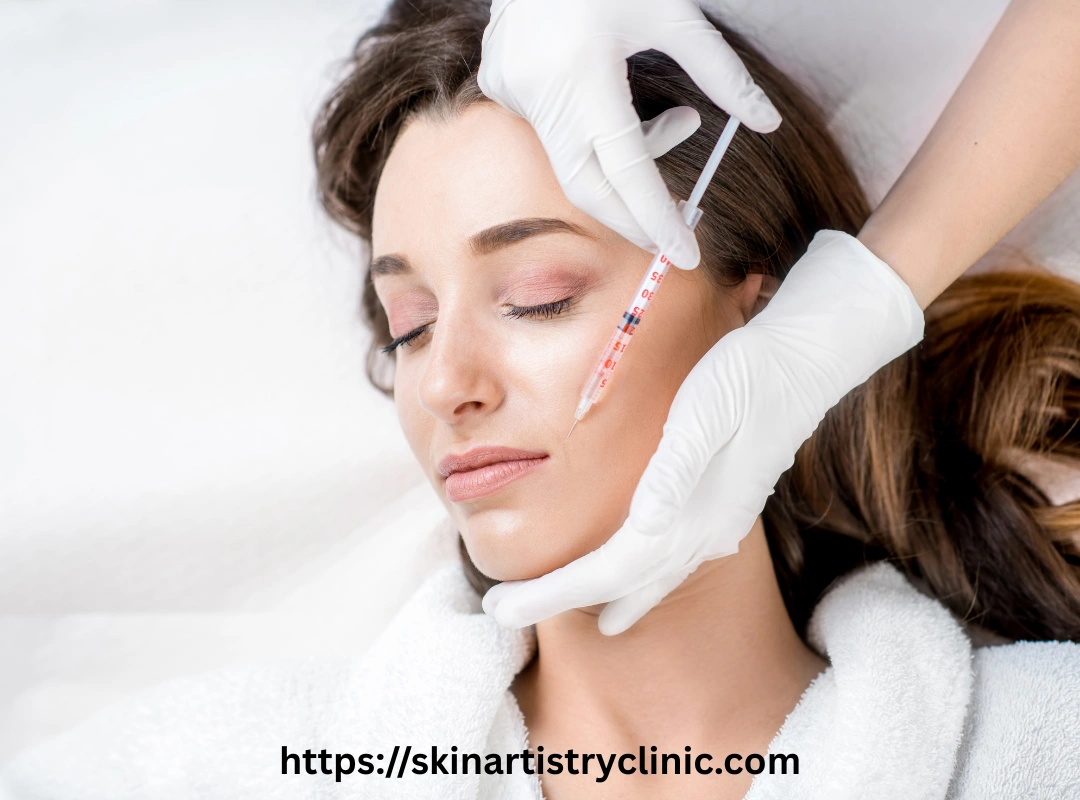
Understanding how Botox works helps you respect the recovery process. The product temporarily blocks nerve signals from reaching your muscles. This stops the muscle movement that creates facial lines.
Because it takes days to attach to the nerves, you must leave the area alone. Moving the product disrupts this delicate attachment process.
What Are the Common Mistakes With Dermal Fillers?
Another huge error is overfilling. It leads to a “pillow face,” creating an unnatural appearance. You must have realistic expectations, and overdoing anything will only cause more damage. A skilled injector understands how to restore volume without overloading your face, so listen to and trust them.
Ignoring severe localized pain is also a massive mistake because this can signal a blocked blood vessel, leading to skin necrosis or tissue death. So, you must seek help for managing complications immediately if you suspect this.
How Should You Handle Hyaluronic Acid Before & After?
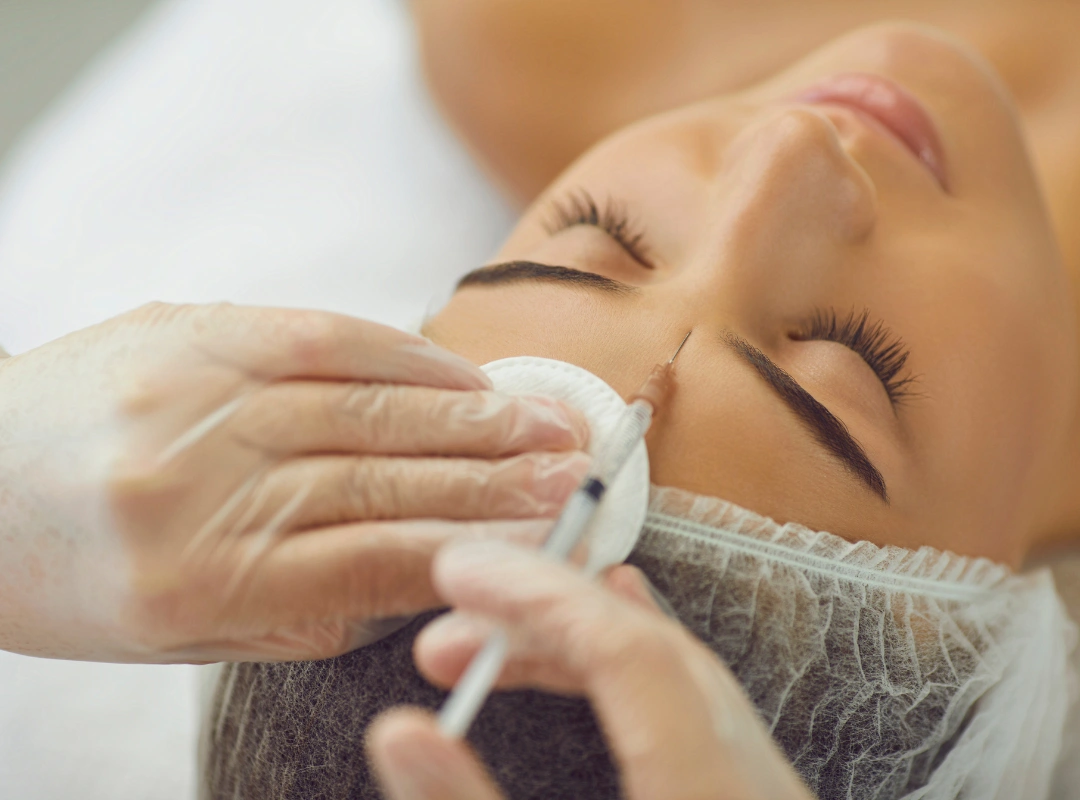
Hyaluronic acid fillers require specific preparation and recovery steps. You must stop taking blood thinners, such as aspirin, at least 7 days before your medical procedure. This prevents heavy bruising.
After your filler treatments, avoid putting pressure on your face. Do not wear heavy glasses if you have received injections into your nose or cheeks. Let the product settle so it can properly address sagging skin and deeper folds. Always review before-and-after photos with your provider so you know what is normal.
Why Must You Use FDA-Approved Products?
Unapproved items carry massive risks. The FDA warns that counterfeit products can cause botulism symptoms, including difficulty swallowing and breathing issues.
Always ask your provider what they are injecting. Authentic products guarantee safety and predictable outcomes. Fake products lead to severe adverse events and a botched appearance.
What Are the Myths About Botulinum Toxin Products?
There are many myths about botulinum toxin and its products. People think these injections freeze your face completely. This is not true. A qualified professional with advanced training will preserve your natural movement.
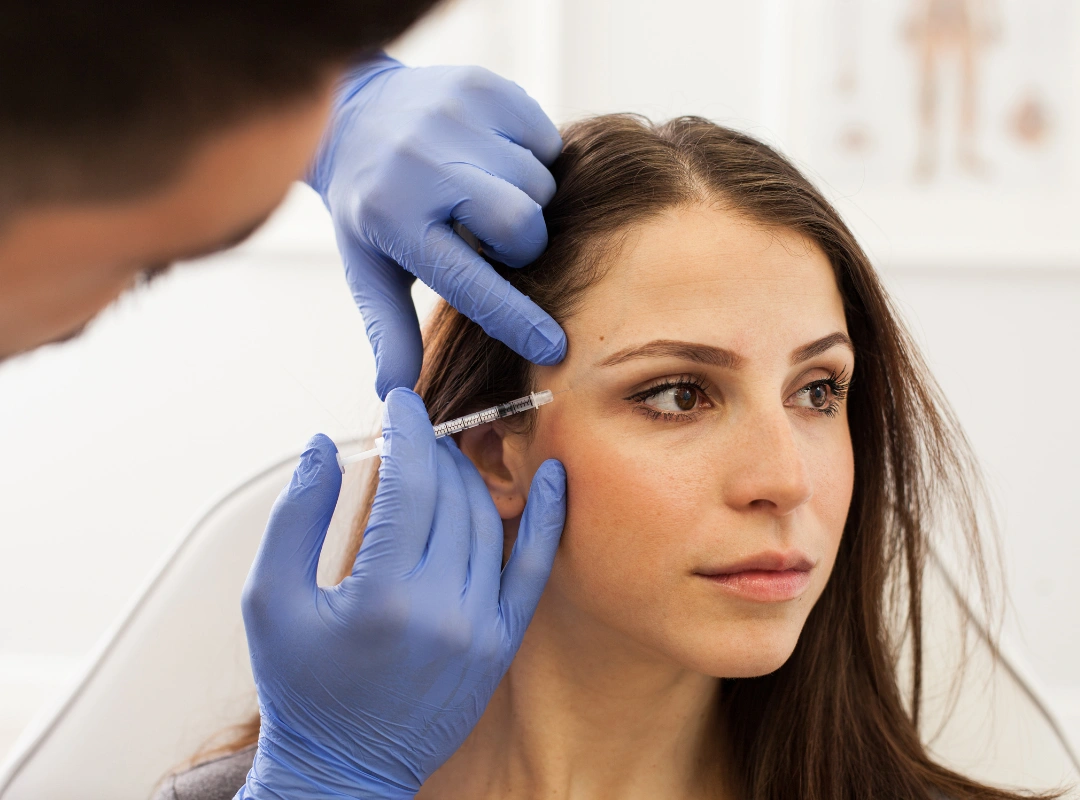
The goal is to soften facial wrinkles, not erase your expressions. Misuse of the product causes the “frozen” look. Proper application softens your expressions perfectly.
When Should You Avoid Botox or Fillers Completely?
You should avoid Botox and fillers if you have specific medical conditions. Always provide an honest medical history to your clinic.
You must not get these treatments if you are pregnant or breastfeeding. Patients with neuromuscular disorders, such as myasthenia gravis, must also skip these procedures. Do not risk your health for cosmetic improvements.
What Are the Correct Aftercare Instructions?
You must follow your provider’s detailed aftercare instructions to the letter.
- Stay upright for four hours.
- Avoid strenuous exercise for 24 hours.
- Skip alcohol for one full day.
- Stay out of the sun and avoid saunas.
Following these simple rules prevents complications. They also help stimulate collagen production naturally without interfering with your new injectables.
How to Maintain Your Cosmetic Results Safely
Most mistakes people make stem from impatience. You invest time and money into these treatments. Protect that investment by being careful. Avoid additional treatments on the same day, stay upright, and let your body heal.
Conclusion
Injectables are not difficult to maintain, but they do require patience and discipline. The good news is that these mistakes are completely preventable. A proper treatment plan, realistic expectations, and careful aftercare make a huge difference.
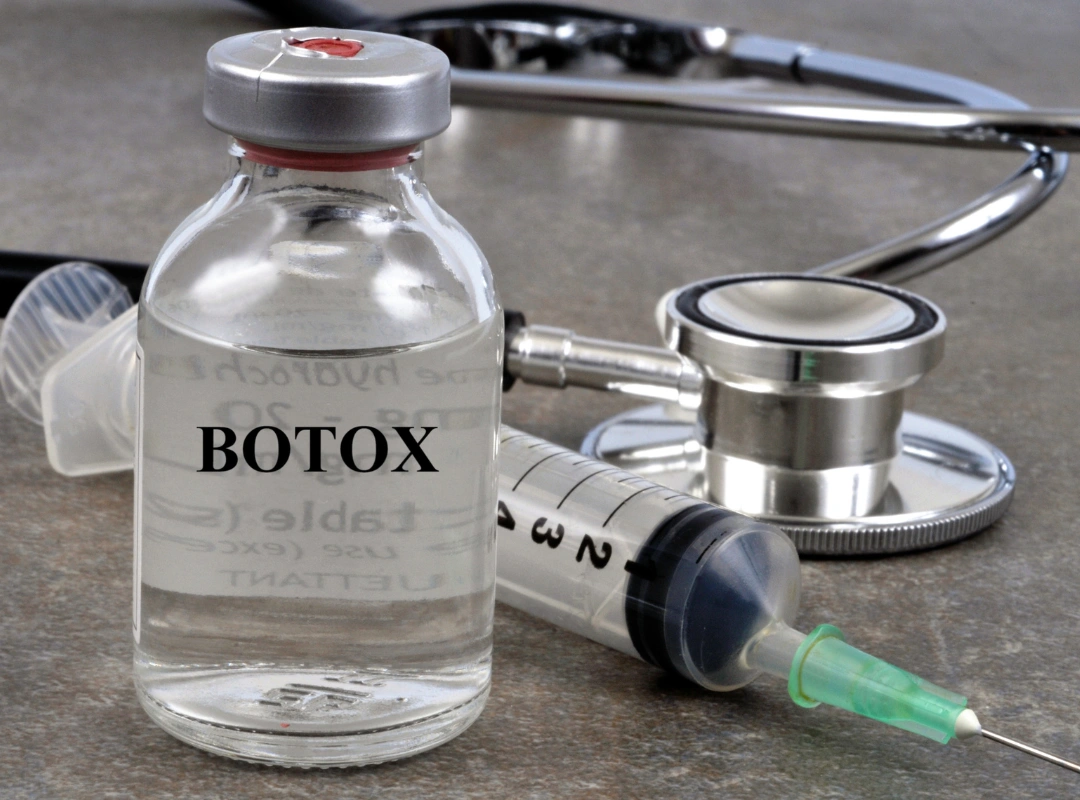
A few days of patience can protect the time and money you have invested while helping you achieve smoother, more natural-looking results. In the end, successful cosmetic treatments are not just about what happens during the injection appointment.
Get Natural-Looking Botox Results With Expert Care
Every treatment begins with a consultation so Dr. Faiqa Chaudhry, MD, can understand your goals, review your medical history, and design a plan that complements your unique facial anatomy.
Skin Artistry Clinic has a solution for every skin issue, like:
- Forehead lines
- Crow’s feet
- Frown lines
- Acne Scars
- Uneven skin tone
We also provide detailed aftercare guidance so you know exactly how to protect your investment and maintain your results.
Contact us now, or visit our clinic at 3189 Danville Blvd, Suite #245, Alamo, CA, 94507. We are committed to helping you look refreshed, confident, and naturally youthful with treatments tailored specifically to you.
FAQs
Q1: How long should I wait to exercise after dermal fillers?
A: You should wait at least 24 hours before engaging in strenuous exercise. Elevated heart rate increases blood flow, leading to swelling and bruising at the injection site.
Q2. What are the signs of skin necrosis after filler treatments?
A: Skin necrosis happens when a blood vessel gets blocked. Watch for severe localized pain, skin discoloration (turning white or purple), and unusual coldness in the area. Contact Skin Artistry Clinic immediately if this occurs.
Q3. Why do I need to avoid blood thinners before Botox injections?
A: Blood thinners like aspirin and ibuprofen prevent your blood from clotting quickly. Taking them increases your risk of severe bruising and bleeding during your medical procedure.
Q4. Can I lie down after receiving Botox?
A: No, you must remain upright for at least four hours. Lying down can cause botulinum toxin to migrate, increasing the risk of droopy eyelids and facial asymmetry.