
What Are Aesthetic Injectables and How Do They Work?
AESTHETIC INJECTABLES
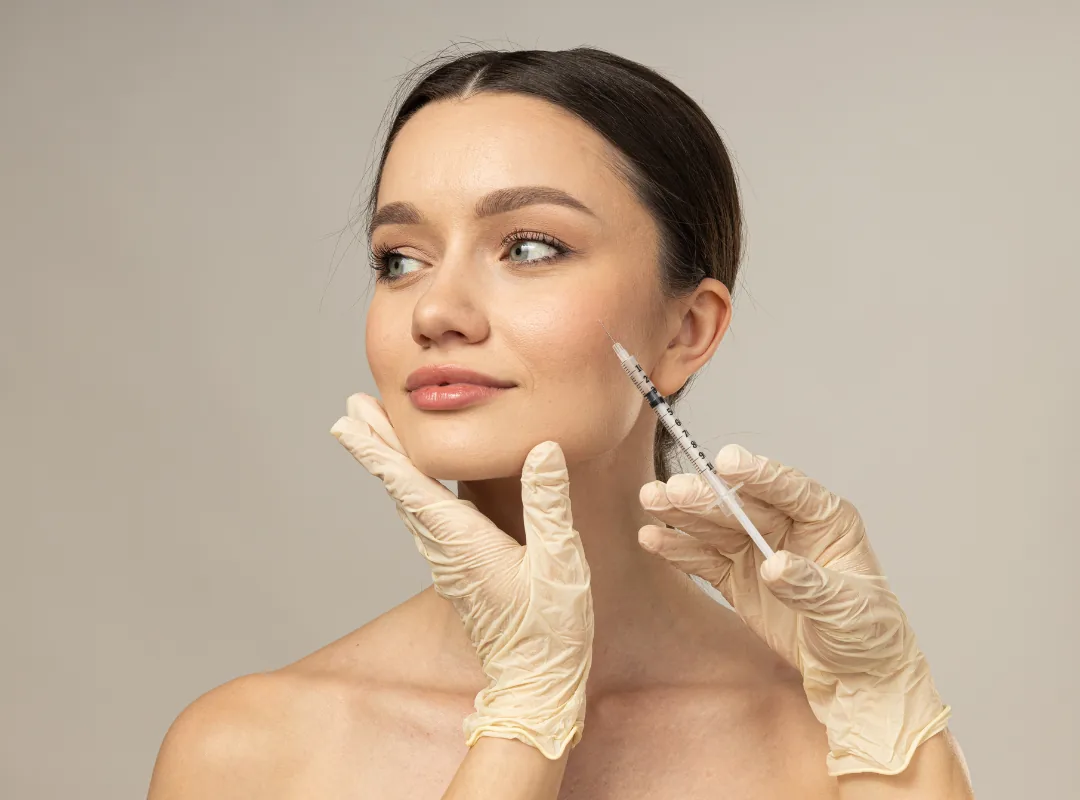
Aesthetic injectables are treatments placed beneath the skin or into facial muscles to address volume loss, wrinkles, or stubborn fat. Popular options include neuromodulators like Dysport® and Botox®, dermal fillers such as SKINVIVE™ BY JUVÉDERM®, and fat-reducing injectables like Kybella. The technique and injection site used influence how the treatment settles and how long they last. Let’s take a closer look.
Basics of Aesthetic Injectables
Aesthetic injectables are used to:
- Relax muscles that cause dynamic wrinkles
- Restore lost volume of your face
- Smooth fine lines and folds
- Reduce submental fat beneath the chin
- Refresh tone and texture of the skin
Unlike medications taken by mouth, injections do not have to travel through your digestive system before reaching the intended tissue or circulation. An intramuscular injection places medication into your muscle, while a subcutaneous injection places it into the layer beneath your skin. Each method has different patterns of absorption.
How Neuromodulators Like Botox® & Dysport® Work
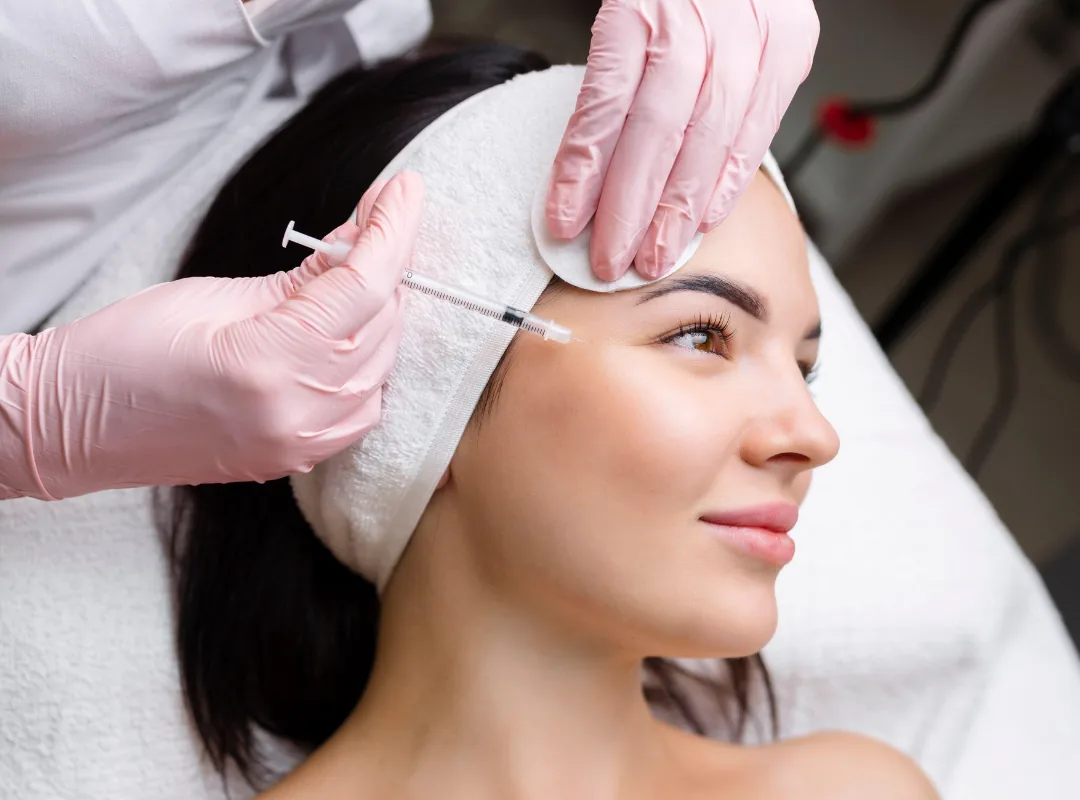
Neuromodulators such as Botox® and Dysport® are injected directly into facial muscles. Once in the muscle, the treatment temporarily blocks nerve signals that cause repeated contractions. They soften the appearance of dynamic wrinkles, such as forehead creases, crow’s feet, and frown lines. Because these treatments act locally on the muscle, precise placement is essential for natural-looking results.
What Are Regenerative Injections (PRP/PRF)?
Regenerative injections use your body’s own healing components to rejuvenate your skin and support hair restoration. Platelet-rich plasma (PRP) and platelet-rich fibrin (PRF) are extracted from your own blood through a simple draw, then re-injected into targeted areas.
These platelets contain “natural growth factors” that help:
- Stimulate collagen production
- Improve skin texture and tone
- Support hair follicle health
Because the treatment uses your own plasma, it’s considered a gentle, biocompatible option for facial rejuvenation and hair restoration alike, with results that build gradually as the natural healing response of your body takes effect.
What is the Importance of the Injection Site
Different areas of the body contain different amounts of muscle, fat, and blood flow. The selected location can influence how a medication is absorbed and how comfortable the injection feels.
Common sites may include the upper arm, upper thigh, abdomen, or other areas with sufficient tissue for the prescribed method. Certain locations may contain important nerves, bones, or blood vessels that should not be injured. For this reason, the technique and site should follow instructions provided by a healthcare provider.
How a Subcutaneous Injection Works
A subcutaneous injection places medication into
- The subcutaneous tissue
- The layer of fatty tissue located beneath the skin and above the muscles.
This tissue generally has less blood flow than muscle, so medications injected there may enter circulation more gradually.
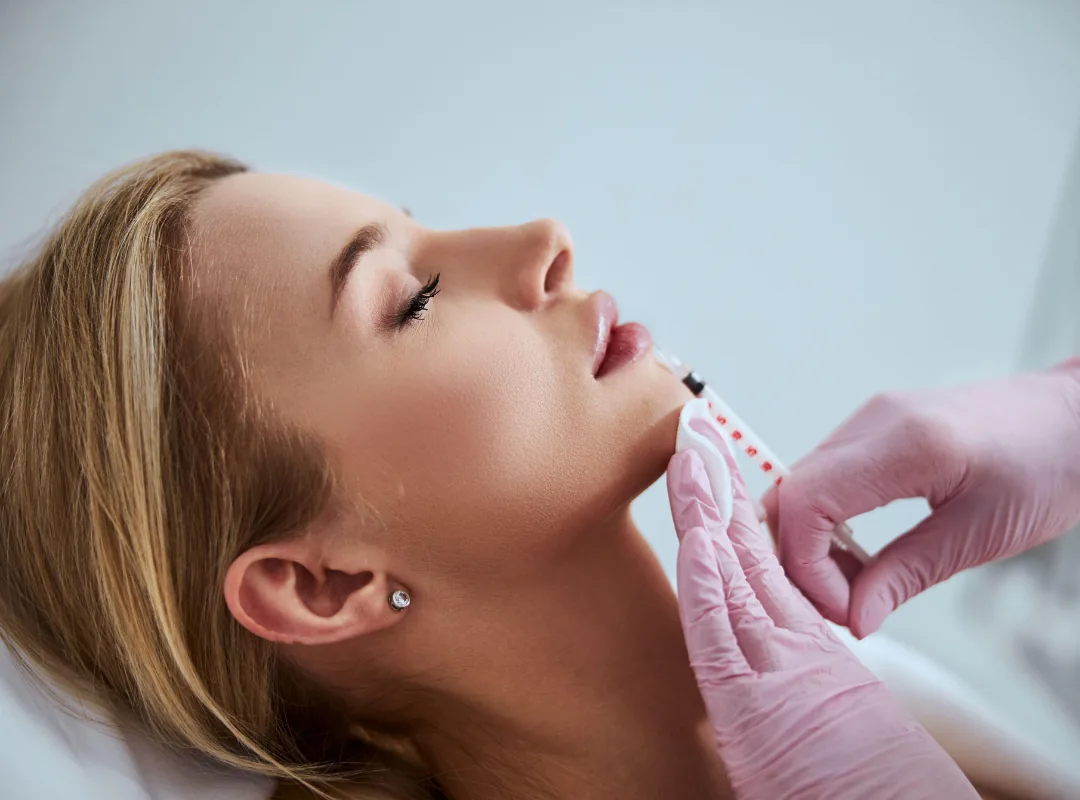
Dermal fillers, such as SKINVIVE™ BY JUVÉDERM®, are generally placed into this subcutaneous layer to restore volume, smooth lines, or improve facial contours.
People who perform self-injections are usually given instructions on the injection angle, correct site, device, and rotation of the treatment areas. Repeated injections into the same location can irritate tissue or cause changes beneath the skin.
Why Injection Depth Matters for Aesthetic Results
The depth of an injection affects how a treatment settles. Neuromodulators placed into muscle target movement, while fillers placed into fatty tissue add volume and shape closer to the surface of your skin. Using the wrong depth or wrong location can lead to uneven results, so treatment should always be performed by an experienced injector.
Why Professional Injection Technique Matters
Aesthetic injectables should only be administered by a professional who is trained and experienced. Sterile handling, proper technique, and precise placement help minimize swelling, bruising, and uneven results.
Reactions After Aesthetic Injections
Injections can cause side effects, as with other medical treatments. Common reactions may include:
- Temporary soreness
- Redness
- Swelling
- Mild discomfort around the injection site
Persistent or severe pain after an injection may also require medical assessment, particularly if it is accompanied by numbness, weakness, significant swelling, or changes in skin color.
Your medical history and any medications you’re currently taking can affect how your skin responds to treatment. Always share this information with your injector during your consultation.

What are the Important Nerves & Blood Vessels
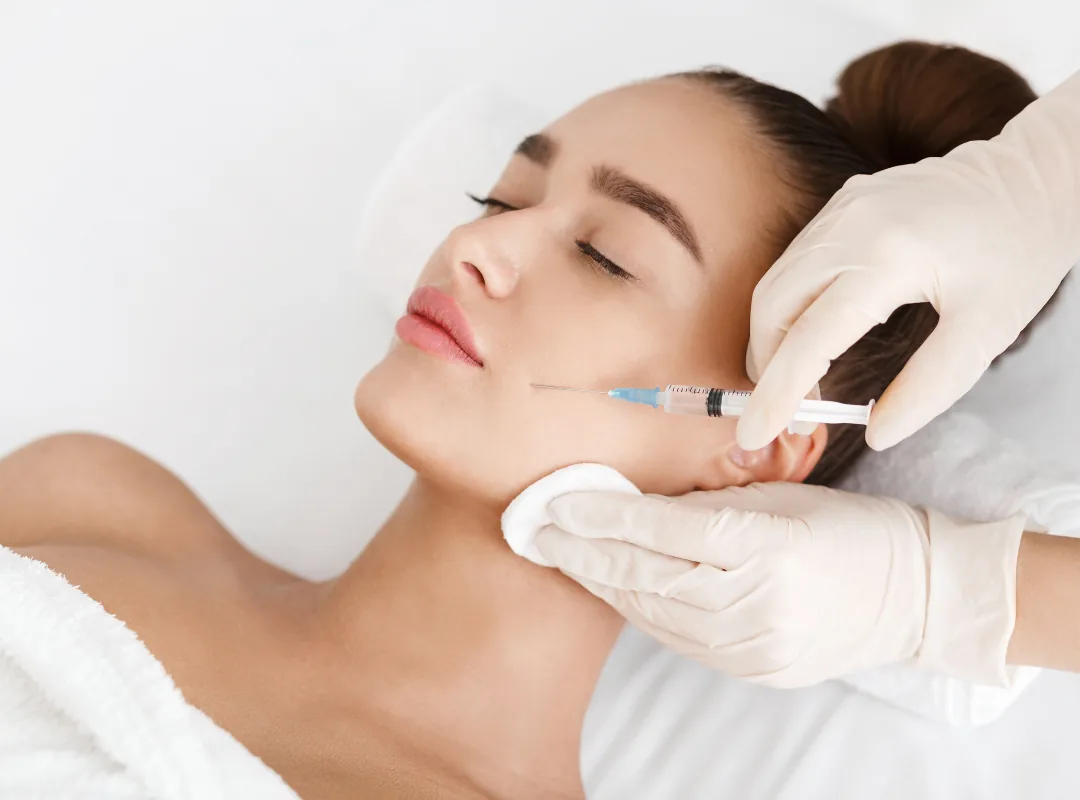
Proper injection technique is important because the body contains nerves and blood vessels that should not be damaged during an injection. Certain areas of our body require particular care because important structures are located beneath our skin and muscle.
You should not guess where to inject a medication. A healthcare provider or trained professional can explain the correct anatomical location and technique for a prescribed injection.
Conclusion
Aesthetic injectables, from neuromodulators like Botox® and Dysport® to fat-reducing treatments like Kybella to dermal fillers, work by targeting specific layers of tissue to restore volume, smooth wrinkles, or refine contours. The site of injection, depth, and technique all play a role in achieving natural-looking results, which is why treatment should always be performed by a qualified professional.
Visit Skin Artistry Clinic for Botox, Fillers & More
Skin Artistry Clinic offers Botox®/Dysport®, SKINVIVE™ BY JUVÉDERM®, IPL Skin Rejuvenation, Kybella, PRP Hair Rejuvenation.
We also offer Medical-Grade Skin Peels, Medical-Grade Skin Care Lines, Longevity Medicine & Wellness, Fillers, RF Microneedling, Hydrafacial, and IV Therapy.
We are based in Alamo, California, and serve nearby areas such as Dublin, San Ramon, and more. Call now to learn more about our available cosmetic and wellness services.
Frequently Asked Questions
What are the most common types of aesthetic injectables?
The most common types include neuromodulators like Dysport® and Botox®, dermal fillers such as SKINVIVE™ BY JUVÉDERM®, and fat-reducing injectables like Kybella.
Are there any side effects of aesthetic injectables?
Possible side effects include temporary redness, swelling, and bruising at the injection site. More serious reactions are rare but should be evaluated by a professional.
Which part of the body is best for injections?
The best location is based on the medication and injection route. Common areas include the abdomen, upper arm, upper thigh, and specific muscles.
What is more risky, Botox or fillers?
Both carry risks, but fillers can involve rare vascular complications if filler enters or affects a blood vessel.
What is the most natural-looking filler?
Results are influenced by the product, treatment area, amount used, and individual facial anatomy. Hyaluronic acid fillers are commonly used for subtle volume changes.