
Is Hair PRP Painful? What to Expect Before You Book
Hair PRP is mildly uncomfortable, not painful. Most patients rate it between 2 and 5 out of 10 on the pain scale, because clinics always use numbing cream to lower it. The whole session takes under an hour, with no downtime required.
This guide breaks down exactly what happens during a PRP hair treatment and what discomfort actually feels like. You’ll also find a comparison with hair transplant pain, what results to expect, and answers to the questions most patients ask before booking.
What Happens During the PRP Procedure
Many patients considering treatment also ask whether they need to shave their hair for PRP, especially when preparing for their first appointment. The entire process typically takes about 30 to 60 minutes and follows these steps:
1. Blood Draw From Your Arm
A small amount of blood is collected, typically from a vein in your arm. This is similar to a routine blood test.
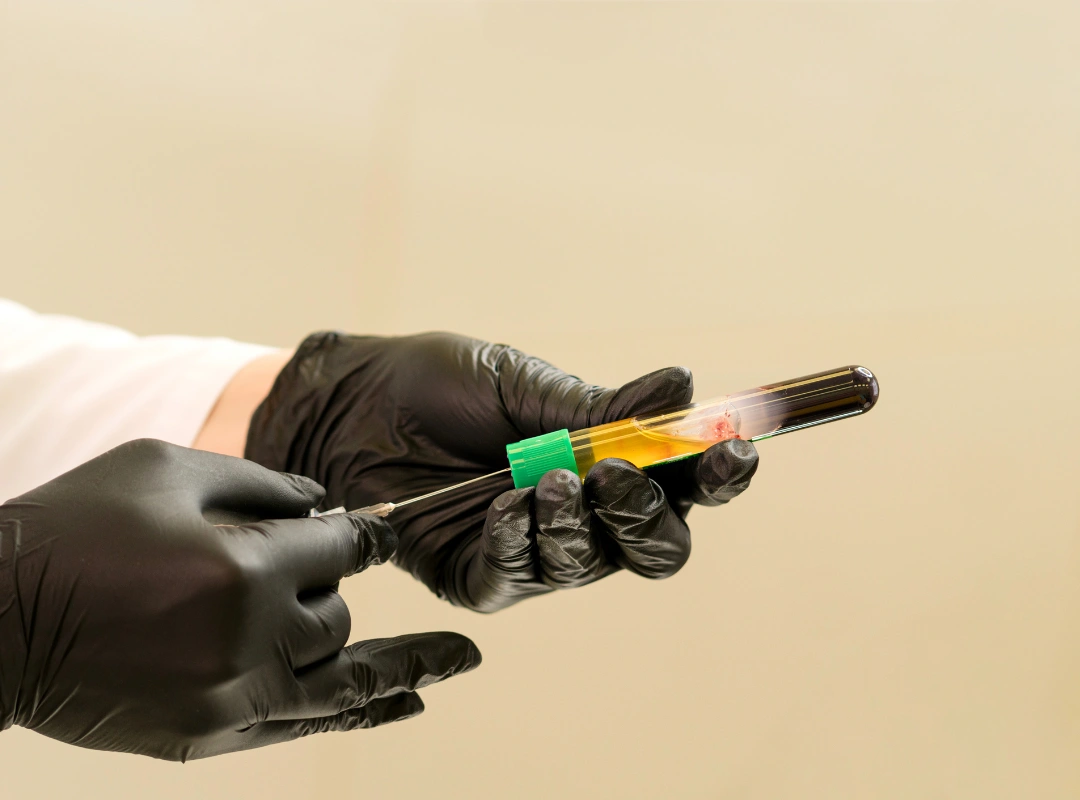
2. Centrifuge Processing
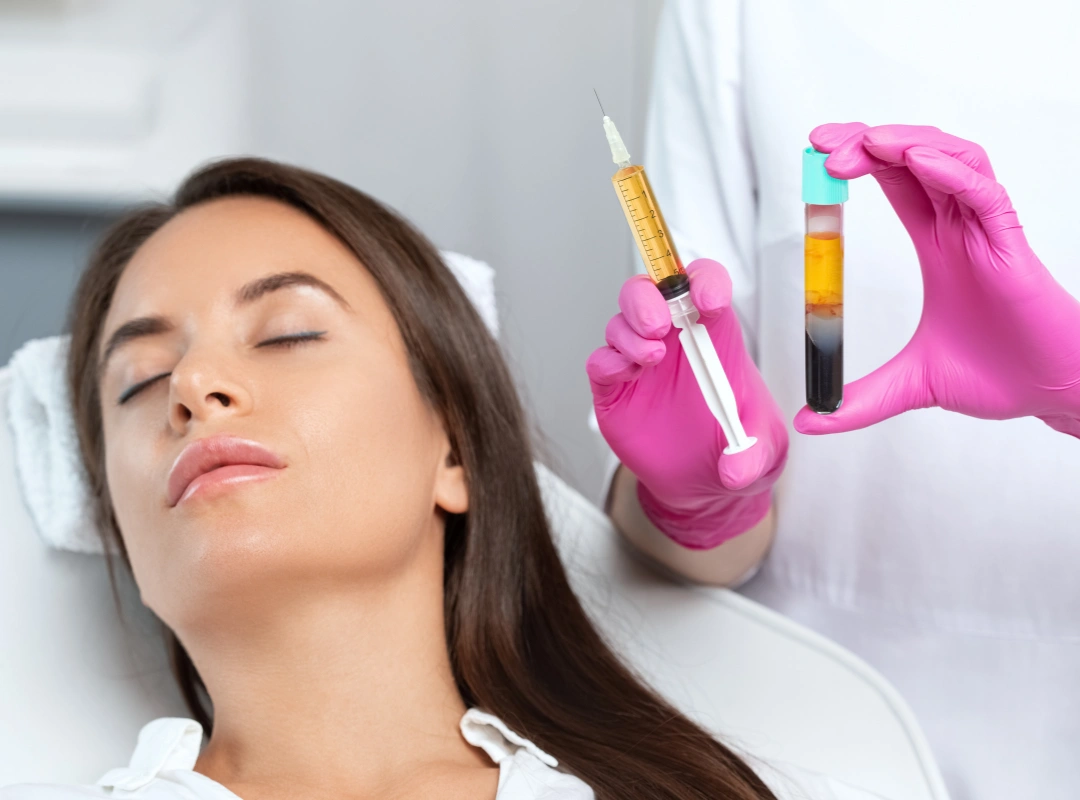
The blood is placed in a centrifuge, which spins at high speed to separate red blood cells from platelet-rich plasma. This takes around 10 – 15 minutes.
3. Numbing The Scalp
A topical anesthetic (usually lidocaine-based cream) is applied to the treatment area and left on for 20 – 60 minutes before injections begin.
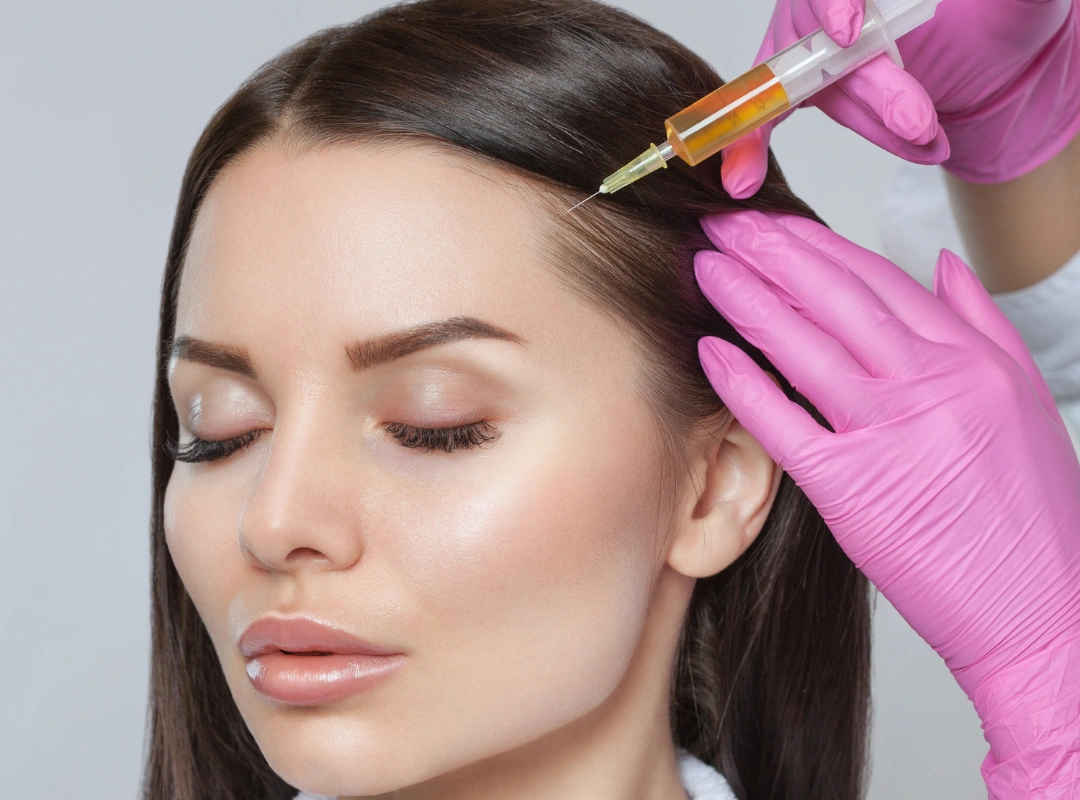
4. Injections Into Targeted Areas
The concentrated PRP is injected directly into thinning areas of the scalp using fine needles. The session itself typically lasts 30 – 60 minutes.
5. Post-Treatment Care
No bandages are needed. Most patients return to normal activities the same day or the day after.
What Patients Feel at the Injection Site
One of the benefits of PRP is that it doesn’t hurt much. The most common sensations are a quick pinch or sting as the needle enters, brief pressure or fullness as the PRP is delivered, and a dull ache that lingers for a few seconds.
Most people rate PRP injections between 2 and 5 out of 10 on the pain scale when numbing cream is used beforehand (according to a 2024 systematic review published in the Journal of Cosmetic Dermatology).
Here are some factors that can influence your personal experience:
- Needle size matters; smaller-gauge needles (30-32G) cause less discomfort.
- Scalp sensitivity varies by area, with the temples and frontal hairline typically feeling more tender.
- Anxiety can amplify pain perception.
- A slow and precise injection technique causes far less discomfort than a rushed injection.
After the session, mild soreness, swelling, and other temporary side effects at the injection site are normal. This usually resolves within 24 – 48 hours, often described as similar to a mild headache or the day after a tough workout.
How Professionals Minimize Discomfort During PRP for Hair
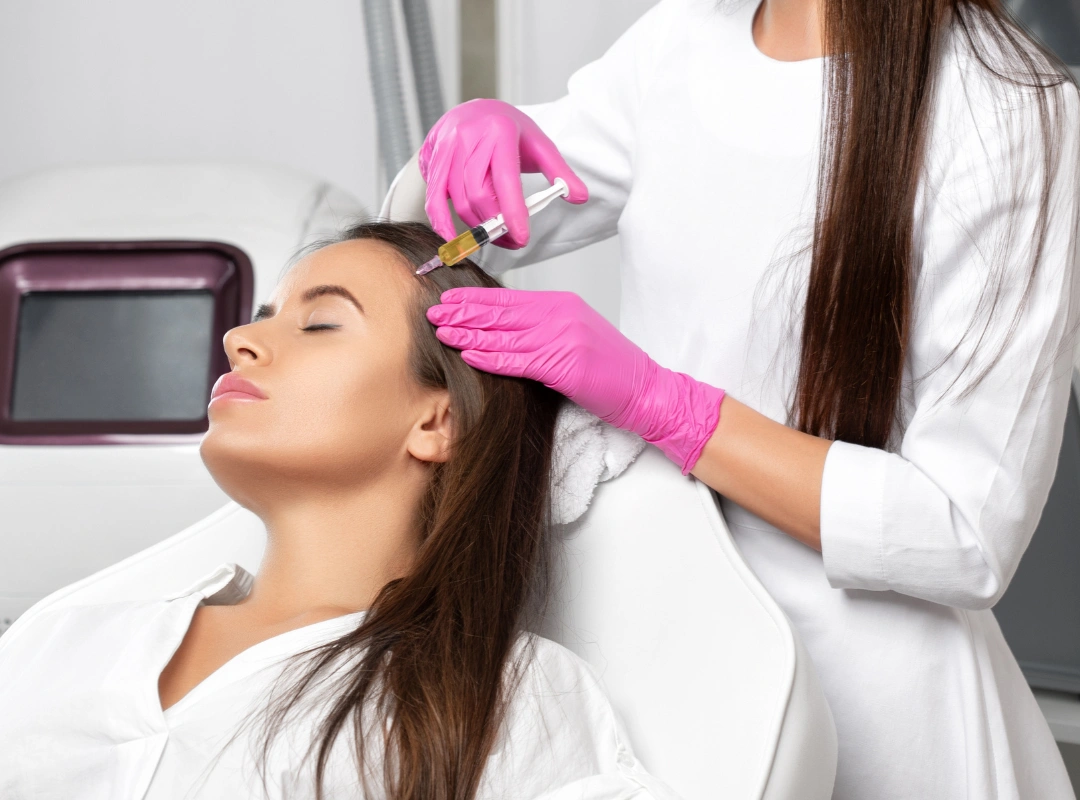
Dr. Faiqa Chaudhry uses proven strategies to reduce pain during PRP injections:
- Topical numbing cream. Lidocaine or EMLA cream applied before the procedure can reduce discomfort by 50% or more.
- Local anesthetics. Small injections of local anesthetic at key scalp points numb a larger treatment area before PRP is applied.
- Ice and cold compresses. Applying cold to the scalp immediately before and after injections constricts blood vessels, which reduces both pain and swelling.
- Vibration devices. Tools like VibraJect deliver counter-pressure and vibration at the injection site, which distracts the nervous system from the needle sensation.
Skin Artistry Clinic combines topical numbing with a slow injection technique, which most patients find comfortable enough to treat as a lunch-hour procedure.
After your session, taking acetaminophen (Tylenol) can ease the lingering soreness. Avoid ibuprofen and aspirin; these can interfere with platelet activation and reduce PRP’s effectiveness.
Hair Growth Results After PRP Treatment
Most patients notice a reduction in hair fall within 6-8 weeks of their first session. Visible new growth and increased hair density typically appear around the 3-4 month mark. You’ll see the full results within 12 months after the initial treatment.
Patients with early-stage hair thinning tend to respond better than those with long-standing hair loss. Consistency matters too. Skipping maintenance sessions after the initial course reduces the duration of the results.
Thinking About PRP for Hair? Here’s Your Next Step
PRP hair treatment is one of the most tolerable cosmetic procedures available. The discomfort is brief, manageable, and well-controlled with modern numbing techniques.
If you’re experiencing hair thinning or hair fall and want to know whether PRP therapy is the right fit, book a consultation with a qualified dermatologist. Dr. Faiqa Chaudhry at Skin Artistry Clinic can assess your hair-loss pattern, review your medical history, and walk you through a personalized treatment plan.
Frequently Asked Questions
Q1: How painful is PRP hair treatment on a scale of 1 - 10?
A: Most patients rate PRP injections between 2 and 5 out of 10 when topical numbing cream is applied beforehand. Without numbing, discomfort can reach 5-7 in sensitive areas. Pain levels are temporary and typically resolve within minutes of each injection.
Q2. How long does the soreness last after PRP scalp injections?
A: Mild soreness and swelling at the injection site are normal and usually resolve within 24 – 48 hours. Applying a cold compress and avoiding vigorous scalp massage helps speed recovery.
Q3. Is PRP hair treatment safe, and what are the risks?
A: PRP therapy carries a low risk of complications because it uses your own blood. Possible side effects include temporary redness, swelling, and pinpoint bleeding at injection sites.
Q4.Who is a good candidate for PRP hair restoration?
A: Good candidates are generally people with mild to moderate hair thinning who are in good overall health and can commit to multiple sessions. PRP is not recommended for people with platelet disorders, active scalp infections, or blood-thinning medication use without medical clearance.
Q5. How many PRP sessions are needed to see hair regrowth?
A: Most protocols involve 3 – 4 sessions spaced 4 – 6 weeks apart, followed by maintenance treatments every 4 – 6 months. Visible regrowth typically begins around the 3-4 month mark, with continued improvement up to 12 months.
Q6. Can PRP injections cause an allergic reaction?
A: Because PRP uses your own blood, the risk of allergic reactions is extremely low. There are no synthetic additives in the PRP itself, making it a good option for most patients.