
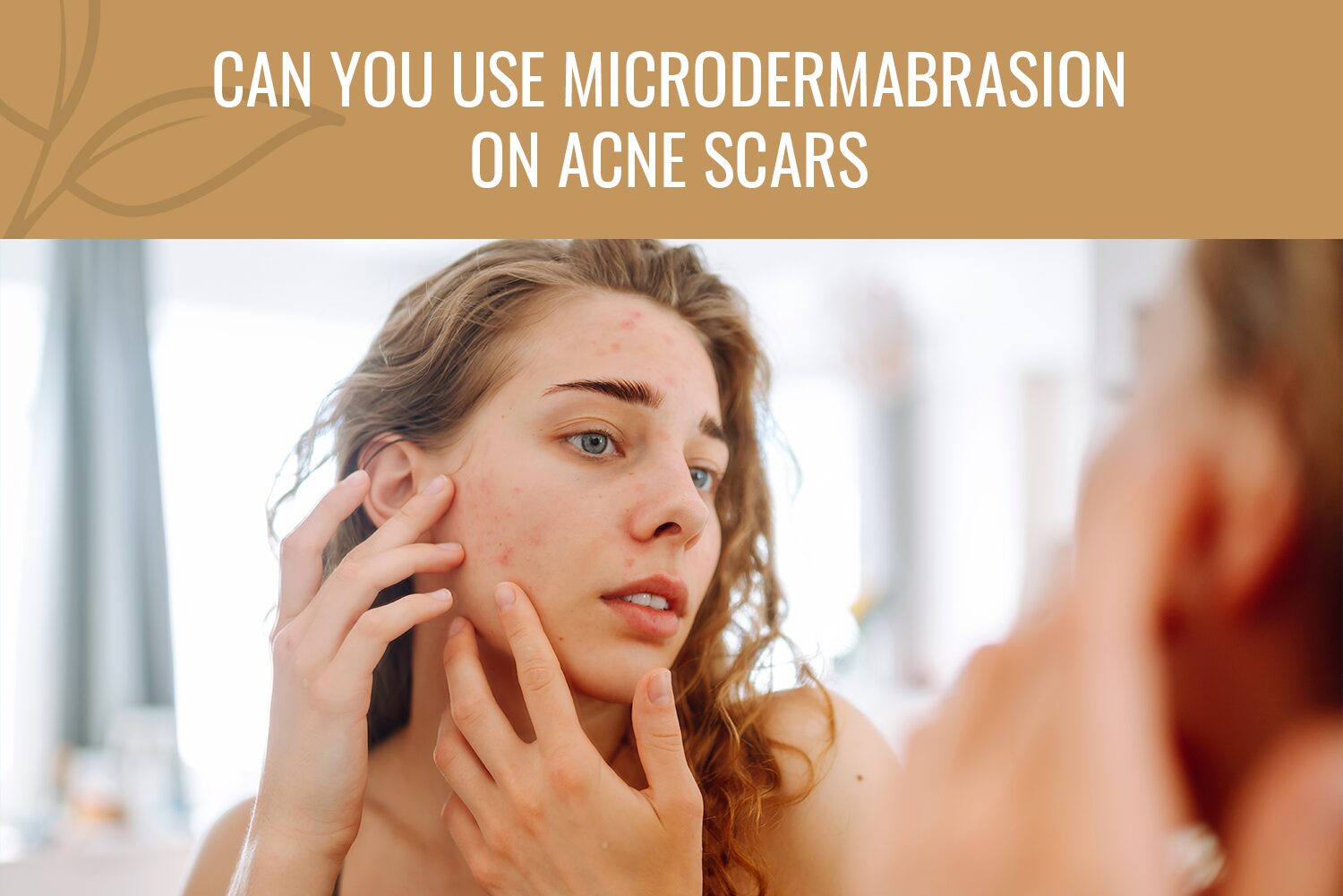
If you’ve been dealing with breakouts and uneven skin texture, you may have wondered: Can you use microdermabrasion on acne? Microdermabrasion is a popular cosmetic treatment used to improve skin texture, reduce acne scars, and support overall skin rejuvenation. But when it comes to treating active acne, people often feel unsure about whether the procedure is safe or helpful. At Skin Artistry Clinic, all procedures are performed by Dr. Faiqa Chaudhry, M.D., who helps patients understand which treatments are suitable for their acne problems. Understanding how microdermabrasion works can help you make an informed decision.
What Is Microdermabrasion?
Microdermabrasion is a noninvasive skin-resurfacing procedure that gently exfoliates the outermost layer of the skin. It removes dead skin cells, unclogs pores, and smooths the skin’s surface using fine crystals, aluminum oxide, or a diamond-tipped wand. The handheld device glides across the skin to buff away buildup on the skin’s surface.
This controlled exfoliation encourages collagen and elastin production and the formation of healthier skin cells. As a result, many patients notice softer, smoother skin with a more radiant glow.
Can You Use Microdermabrasion on Acne?
The short answer: yes, microdermabrasion for acne can be helpful, but it depends on the type of acne you have. Microdermabrasion works best for:
- Mild acne
- Blackheads and whiteheads
- Post-inflammatory hyperpigmentation
- Enlarged or congested pores
- Rough or uneven skin texture
This treatment can unclog pores, remove dead skin cells, and reduce excess oil, which are common concerns for people with acne-prone skin. However, microdermabrasion is not recommended for people with:
- Severe acne
- Cystic acne
- Large areas of active acne
- Open wounds or inflamed lesions
If you have these conditions, microdermabrasion may irritate the skin, worsen inflammation, or spread bacteria. If you’re unsure whether you’re a good candidate, a consultation at Skin Artistry Clinic with Dr. Faiqa Chaudhry, M.D., can help determine if this treatment fits your current skin condition.
How Microdermabrasion Helps with Acne-Related Concerns
If done on the right candidate, microdermabrasion offers multiple benefits:
1. Helps Treat Acne Scars
Many people turn to microdermabrasion to treat shallow acne scars. While deeper scars may require laser therapy or chemical peels, microdermabrasion is effective for textural concerns caused by small scars or sunken marks.
2. Reduces Dark Spots and Pigmentation
After acne heals, some people develop dark spots from post-inflammatory hyperpigmentation. Removing the top layer of dull skin helps fade these marks over time.
3. Smooths Rough Skin Texture
When acne heals, it often leaves behind an uneven texture. Microdermabrasion helps improve skin texture, soften rough patches, and brighten the area.
3. Unclogs Pores
By removing debris, fine crystals, and oil buildup in the outer layer, microdermabrasion helps keep pores clean, reducing blackheads, whiteheads, and future acne breakouts.
4. Supports Skin Rejuvenation
The gentle resurfacing stimulates collagen production, boosts circulation, and encourages new skin cell development, making it ideal for long-term skin rejuvenation.
What Happens During a Microdermabrasion Treatment?
At Skin Artistry Clinic, the microdermabrasion treatment typically takes about 30 minutes and is performed with great care by Dr. Faiqa Chaudhry, M.D. The procedure is simple:
- Your skin is cleansed to remove oil and buildup.
- A handheld device delivers fine crystals, aluminum oxide, or uses a diamond microdermabrasion wand to exfoliate the skin.
- Suction removes debris and dead skin cells from the skin’s surface.
- A soothing serum or moisturizer is applied to reduce redness and discomfort.
Most patients find the treatment very tolerable. In fact, patients find microdermabrasion relaxing and gentle compared to other resurfacing treatments, such as laser treatment or deeper peels.
How Many Microdermabrasion Sessions Do You Need?
Microdermabrasion is not a one-time fix. Most patients require multiple sessions to achieve their desired results. Treatments are usually spaced one to two weeks apart to avoid irritation and allow the skin time to recover. Over time, you should notice:
- A brighter complexion
- Fewer clogged pores
- Softer acne marks
- More even skin tone
- Reduced appearance of wrinkles and fine lines
- Better absorption of skincare products
Your provider will help create a customized plan based on your skin condition and goals.
Can Microdermabrasion Treat Active Acne?
This is where caution is important. If you have active acne, especially inflamed or painful lesions, microdermabrasion is usually not recommended. Scrubbing over inflamed bumps can worsen inflammation, spread bacteria, or cause new whiteheads.
Instead, options such as medicated acne treatments, chemical peels, or laser therapy may be better until your acne calms down. Once your skin condition is stable, microdermabrasion can help minimize leftover marks and texture issues.
What to Expect After the Microdermabrasion Procedure
Most people can resume normal activities immediately after treatment. However, proper aftercare matters:
- Avoid sun exposure for a few days.
- Use sunscreen to prevent sun damage.
- Skip harsh scrubs or exfoliants for a week.
- Keep the skin moisturized.
Mild redness is normal and usually resolves quickly.
Who Should Avoid Microdermabrasion?
While microdermabrasion is safe for many people, there are some risk groups. You may not be a good candidate if you have:
- Severe acne
- Cystic acne
- Active infections
- Open wounds
- Highly sensitive skin
- Chronic redness or rosacea
Some risk factors, such as medications that thin the skin or increase sun damage, may affect your eligibility. Always consult a dermatologist or other trained professional first. At Skin Artistry Clinic, Dr. Faiqa Chaudhry, M.D., will assess your skin and guide you toward the safest and most effective option.
Are There Potential Side Effects?
Microdermabrasion is generally safe, but like any cosmetic dermatology procedure, it comes with potential side effects, including:
- Temporary redness
- Tightness
- Sensitivity
- Slight peeling
- Mild inflammation
These effects usually resolve within a day or two.
Comparing Microdermabrasion to Other Acne Treatments
Every acne journey is different. Here’s how microdermabrasion compares to other methods:
Microdermabrasion
- Best for mild acne, clogged pores, and texture issues
- Not ideal for severe or inflamed acne
- No downtime
Chemical Peels
- Use acids to exfoliate deeper layers
- Better for pigmentation and moderate acne
Laser Therapy
- Targets deeper tissue for scars and stubborn marks
- More intense but also more dramatic results
Acne Treatment Medications
- Address internal causes such as bacteria, hormones, and sebum production.
Each treatment has its place. Many people use a combination of treatments to achieve long-term improvement in acne.
Will Microdermabrasion Help with Acne Scars?
Microdermabrasion can definitely help treat acne scars, especially shallow ones. Severe scarring may require a stronger procedure, but microdermabrasion remains a great starting point. Even a preliminary dermatology research report shows that gentle exfoliation can gradually reduce textural issues. With regular treatments, the appearance of scars, roughness, and discoloration steadily improves.
Is Microdermabrasion Right for You?
Whether microdermabrasion is suitable depends on your:
- Skin type
- Acne severity
- Sensitivity level
- Long-term goals
If you’re struggling with clogged pores, dullness, blackheads, skin pigmentation or uneven texture, microdermabrasion may provide some of the best results with minimal downtime.
But for severe acne, cystic acne, or widespread inflammation, you’ll need different treatment options first. A personalized consultation at Skin Artistry Clinic with Dr. Faiqa Chaudhry, M.D., can help determine the safest and most effective plan for your needs.
Final Thoughts
So, can you use microdermabrasion on acne? Yes, if your acne is mild, well-controlled, or primarily causing texture issues. The procedure can brighten your complexion, unclog pores, and soften leftover scars. But it is not recommended for active acne or deep, inflamed lesions.
With professional guidance and multiple sessions, microdermabrasion can play a powerful role in improving your skin in the long term and supporting overall skin rejuvenation.
Get Professional Acne Treatments at Skin Artistry Clinic
Want a glowing, acne-free skin? Skin Artistry Clinic can help you! Serving Alamo, San Francisco, the East Bay Area, and Danville in California, our board-certified dermatologists offer professional acne treatments. Our med spa provides personalized chemical peels, Microneedling with PRP, and other procedures to help you get a glowing, smooth skin.
We also offer other skin rejuvenation treatments, including IPL photofacials, hydrafacials, and more. Moreover, our dermatologists possess years of expertise in anti-aging procedures, including Botox, fillers, SkinVive, Kybella, and IV therapy.