Injectable treatments last 3 months to 2 years, depending on the product. Botox, Dysport, and Xeomin last 3-4 months. Hyaluronic acid fillers last 6 to 24 months; lip filler lasts 6 to 12 months, and cheek filler lasts 12 to 24 months. SKINVIVE lasts about 6 months, while Sculptra results last up to 2 years after a full series. Your metabolism, the treatment area, and how much it moves affect how long results last.
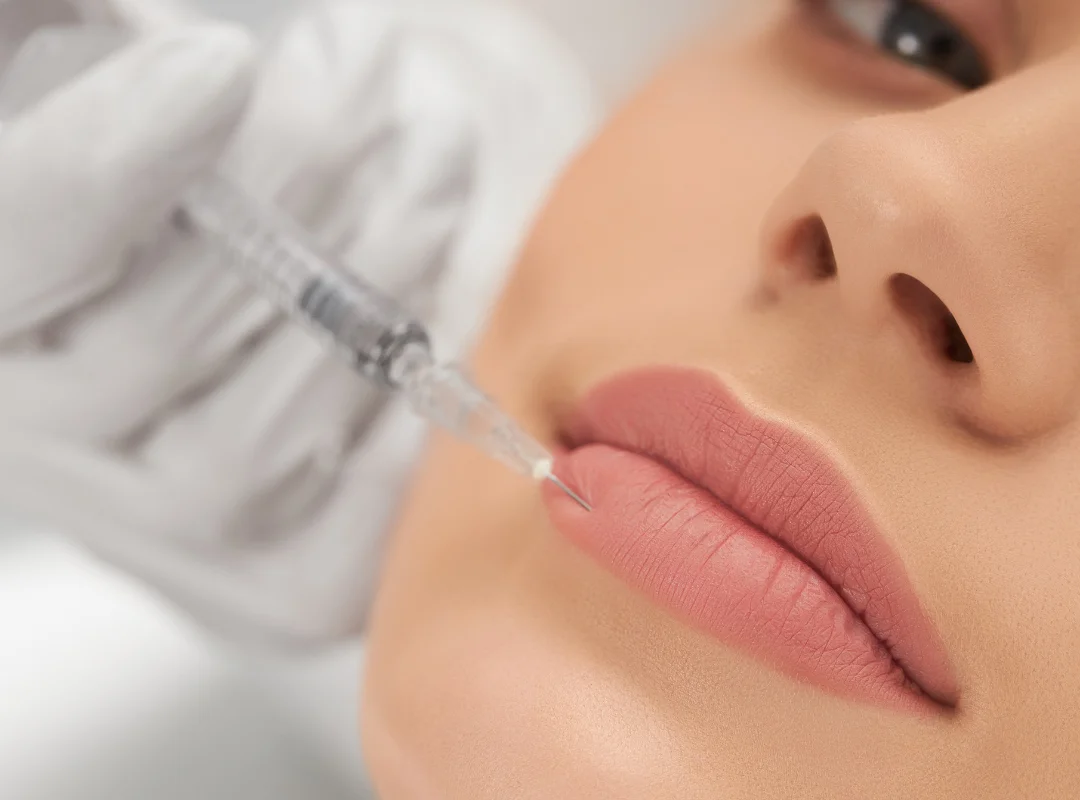
How long dermal fillers last depends first on their active ingredients. Different fillers work differently: some give immediate volume, and others build it through collagen production over several months.
So hyaluronic acid fillers as a group last between six months and two years, with the denser gels at the long end. Hyaluronic acid is a sugar molecule your skin already makes, and it helps maintain skin hydration by binding water. That is why it remains one of the most popular fillers for lips, cheeks, and folds.
Fillers can last longer than advertised timelines based on individual response. A 2024 MRI review of 33 patients found hyaluronic acid filler in the mid-face of every patient at least 2 years after their last injection. Some dermal fillers can remain in the skin for up to fifteen years, even after the visible effect fades. Many patients therefore need less product at repeat visits than they expect.
Unlike a traditional filler, poly-L-lactic acid does not add immediate volume. It relies on the body’s reaction to the product, which builds new collagen over the following months. Results appear after a short series of sessions, and volume added this way lasts longer than gel alone. Compare SKINVIVE vs. Sculptra to see how a skin booster and a collagen builder differ.
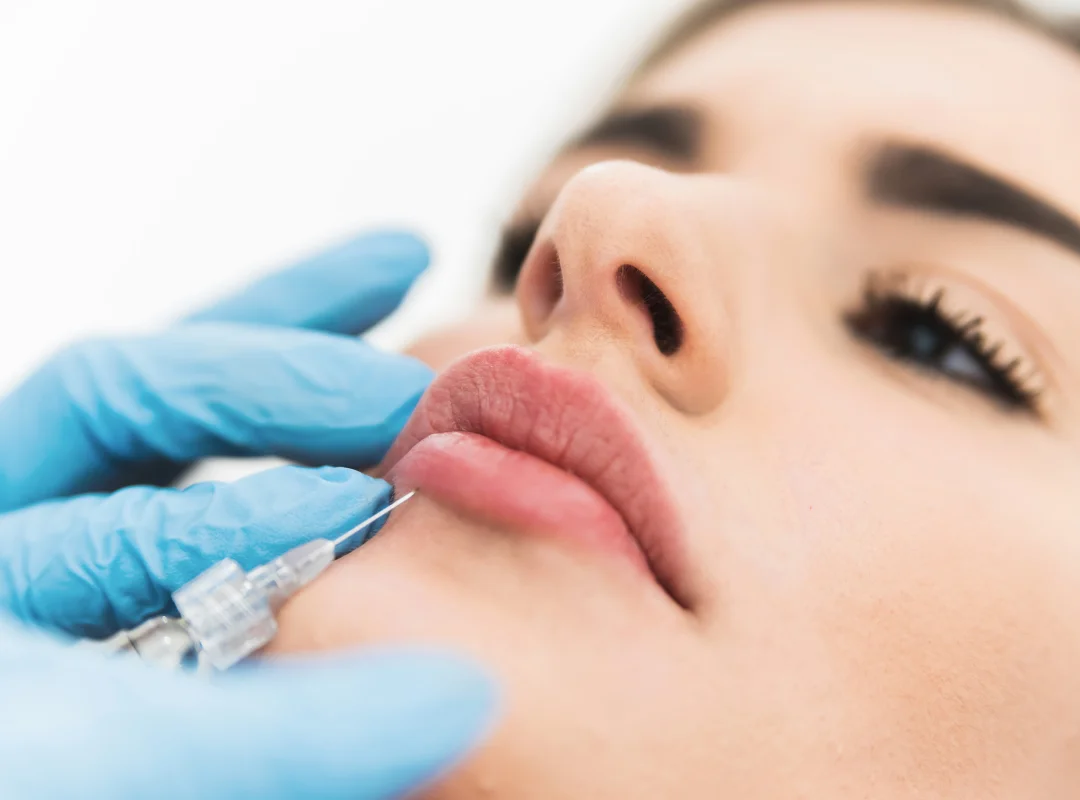
Filler longevity varies by treatment area and metabolism. Mobile areas with more movement break filler down faster than areas with little muscle activity.
Lip fillers usually last around six to nine months. Your lips move every time you talk, eat, and drink, and the soft gels used to plump lips break down faster than firm cheek gels. How long hyaluronic acid lip filler lasts also depends on how much product you start with.
The cheeks and chin have little muscle movement, so firm filler placed on bone lasts the longest. The longest-lasting fillers go here to restore volume, support facial features, and enhance facial contours along the jawline.
Fine lines around the mouth and under the eyes need thin, soft products, and these wear down faster than volumizing gels. For skin quality rather than facial volume, SKINVIVE places microdroplets of hyaluronic acid in the skin, and results last up to six months after one treatment.
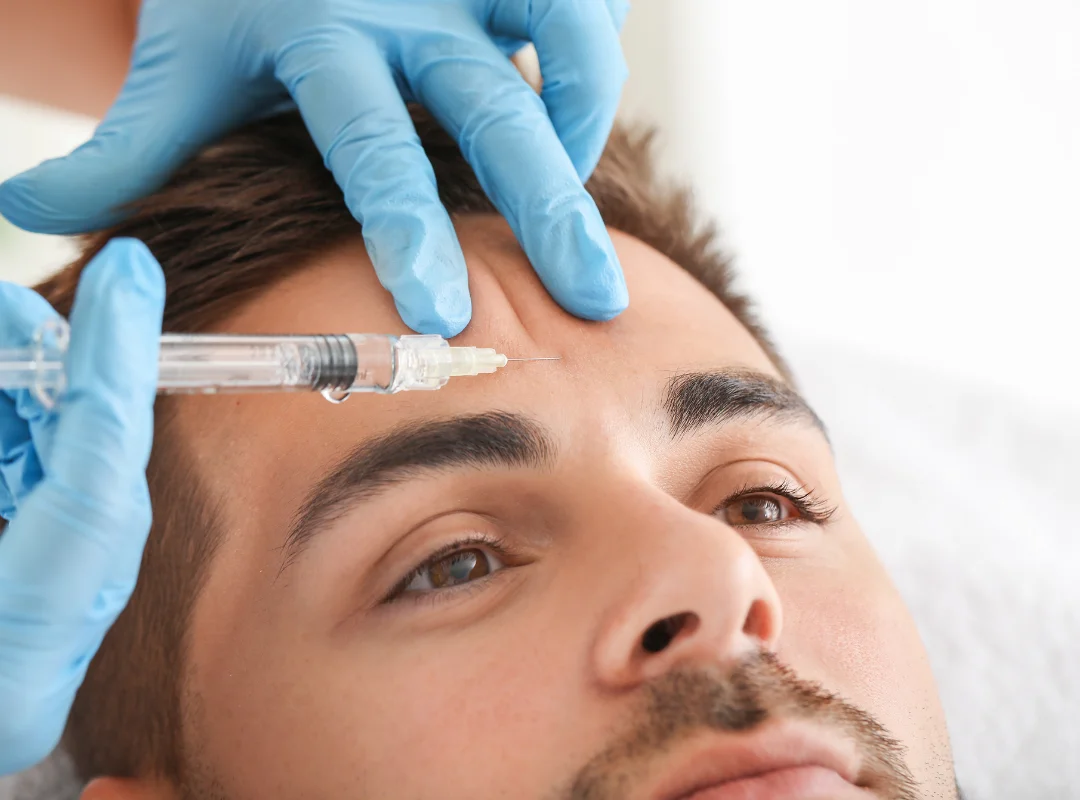
Botox typically lasts three to four months. Its effects fade gradually, so movement returns over a few weeks instead of all at once. Underdosing can make Botox wear off sooner because too few units leave part of the muscle working. When it does fade, your lines return to their pre-treatment depth, and Botox does not make wrinkles worse.
Healing and maintenance schedules vary based on the type of injectable used. Botox has minimal downtime: redness at each injection site fades within an hour, and most patients see full results at about 2 weeks. Filler swelling settles over 1 to 2 weeks. Book a follow-up at the 2-week mark so your injector can adjust any area treated with too little product.
Several factors determine where your results land within each product’s range.
The specific active ingredient sets the starting range for cosmetic injectables, and injection technique decides whether you reach the top of it. Proper placement by an experienced provider optimizes the lifespan of cosmetic injectables: filler placed deep on bone lasts longer than filler placed close to the surface in mobile tissue. At Skin Artistry Clinic, board-certified physician Dr. Faiqa Chaudhry, MD, maps your facial anatomy before every filler treatment and keeps results natural-looking.
Metabolism influences how quickly injectable substances are broken down, and it affects how long fillers remain visible. Patients with fast metabolisms, including athletes who do intense cardio most days, often see Botox and filler fade sooner than average.
UV light breaks down collagen and hyaluronic acid in the skin, so regular sun exposure shortens your results. Avoiding smoking helps preserve skin elasticity and filler effects, because smoking cuts blood flow to the skin.
Sun protection is crucial for maintaining aesthetic treatment results, and a few daily habits protect the product in the treated area:
Regular maintenance treatments can prolong filler results. Touch-up sessions maintain the desired volume and smoothness, so book your next filler treatment when you first notice volume loss, before the area looks flat again. A small touch-up then keeps natural-looking results with less product than starting over. If you decide to take a break from fillers, your face returns to its untreated volume over time.
Skin Artistry Clinic offers Juvederm dermal filler injections and Botox for patients in Alamo, Danville, Walnut Creek, and San Ramon. At your consultation, Dr. Faiqa Chaudhry tracks how long each result lasts and schedules touch-ups to match it.
To protect your results between visits, ask about our medical-grade skin care lines. Call 925-404-4293, visit us at 3189 Danville Blvd, Suite #245, Alamo, CA 94507, or email drfaiqa@skinartistryclinic.com to book.
Below, we’ve answered some commonly asked questions about Skin Artistry Clinic.
A: After 20 years of regular Botox, treated areas usually show shallower forehead and frown lines than untreated skin. Long-term use can slightly thin the treated muscles, so some patients need smaller doses to keep a natural result.
A: Visible filler results usually fade within 2 years, but MRI scans have found hyaluronic acid filler in the mid-face years after injection. An injector can dissolve leftover hyaluronic acid filler with hyaluronidase if it causes puffiness.
A: No. Botox and fillers do not speed up aging. When treatment stops, your face returns to how it would look without injections. Overfilling over many years can stretch tissue, so dosing matters more than frequency.
A: Fillers can take several years off by restoring cheek volume, softening folds, and lifting the midface, but results depend on your skin quality and starting point. Deep sagging still needs surgery for a bigger change.
A: Your face gradually returns to how it would look without filler as your body breaks down the gel. Your skin won’t sag more than it would have, and collagen built during treatment can provide some support.
Please fill in the form below to book an appointment
