Cosmetic injectable treatments require maintenance every 3 to 24 months, depending on the specific product used and the treatment area. You should get injectable treatments every 3 to 4 months for Botox, Dysport, and Xeomin, and every 6 to 24 months for dermal fillers. Lip filler lasts 6 to 12 months; cheek filler lasts 12 to 24 months. Sculptra needs 2 to 3 sessions spaced 4 to 6 weeks apart, with results lasting up to 2 years. Your metabolism, age, and activity level can shorten or extend these intervals.
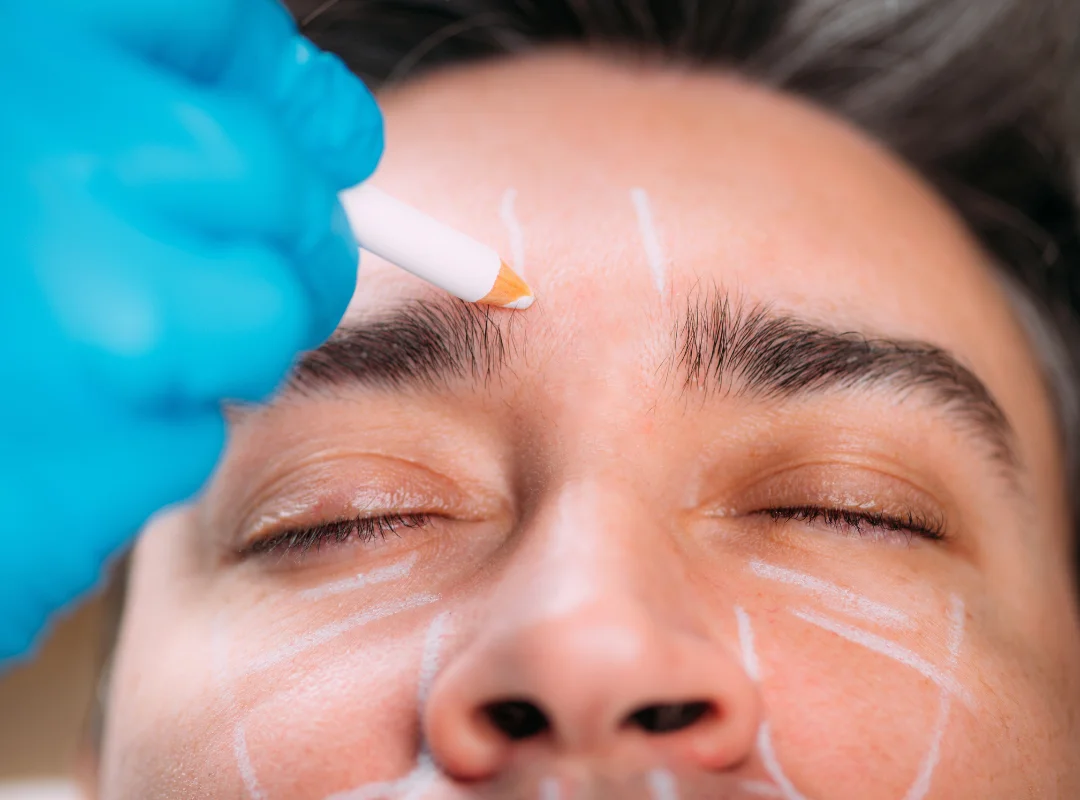
Botox is a purified botulinum toxin that blocks the nerve signal telling a muscle to contract. It treats dynamic wrinkles, the lines that form when you frown, squint, or raise your brows. As your body clears the product, nerve endings regrow, and muscle movement gradually returns over a few weeks. That gradual return signals it’s time to schedule your next appointment.
Frequency of cosmetic injectable treatments varies by product type and treatment area. Botox has the shortest cycle of the common injectables.
Botox results typically last three to four months, so most patients should schedule Botox every three to four months to maintain results. This applies to all the main areas on the face where Botox is injected, including the forehead, frown lines, and crow’s feet. Medical Botox follows its own timing: for chronic migraines, injections every 12 weeks provide relief by preventing headaches before they start.
The general recommendation is to space Botox treatments at least three months apart. Getting Botox every two months is generally discouraged. The Botox Cosmetic label sets the same 3-month minimum, because frequent treatments increase the small risk of your body forming antibodies that make future doses less effective. If results fade before 3 months, your injector should adjust the dose instead of booking more frequent treatments.
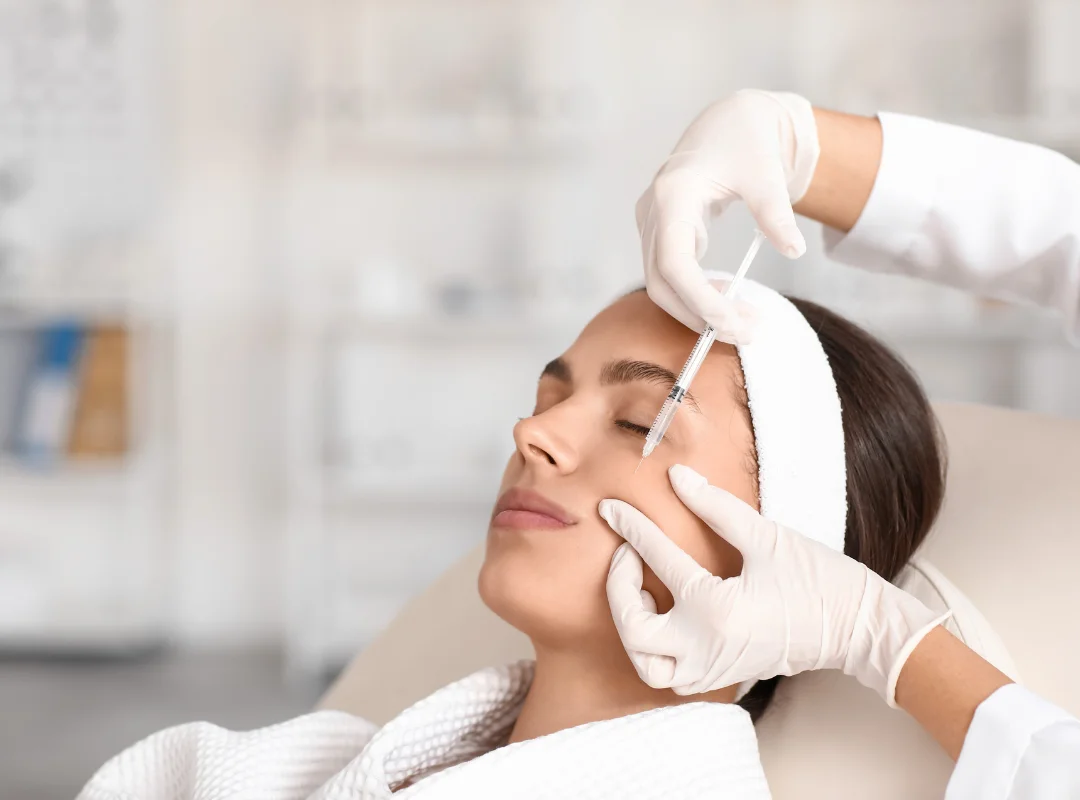
Several factors decide whether you land at the short or long end of the three-to-four-month range.
Aftercare is another factor you control. Knowing what not to do after injectables, such as rubbing the area or lying flat for the first 4 hours, keeps the product in the target areas.
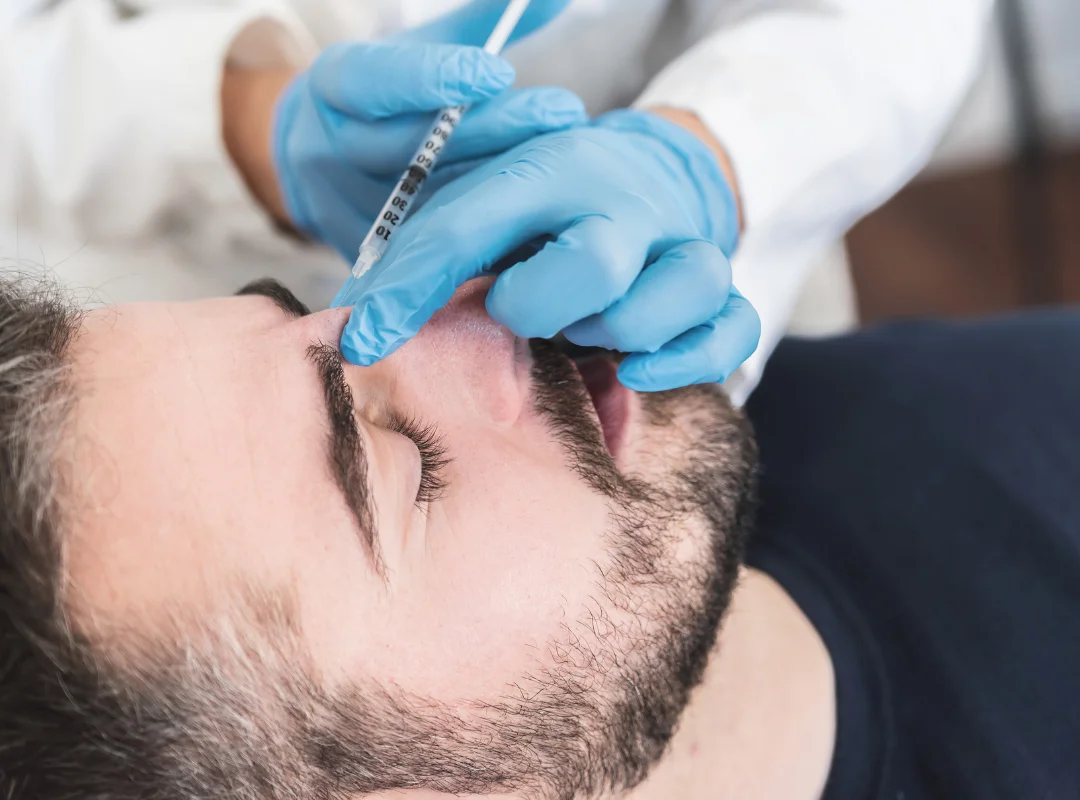
Consistent treatments can lead to longer-lasting Botox results. Regular treatments can condition the muscles: after months of rest, active facial muscles grow weaker and contract less, so each dose holds longer. After a year or two of regular Botox treatments, some patients extend their intervals to twice a year. That gap still keeps fine lines and wrinkles soft while reducing the number of yearly visits.
Letting Botox lapse does not undo this progress overnight. Movement returns over weeks, and Botox does not make wrinkles worse when you stop.
Hyaluronic acid dermal fillers require maintenance every 6 to 18 months depending on the area. Fillers follow a slower cycle than Botox because the body breaks down the gel over many months.
Small touch-ups before the area looks flat keep natural-looking results with less product.
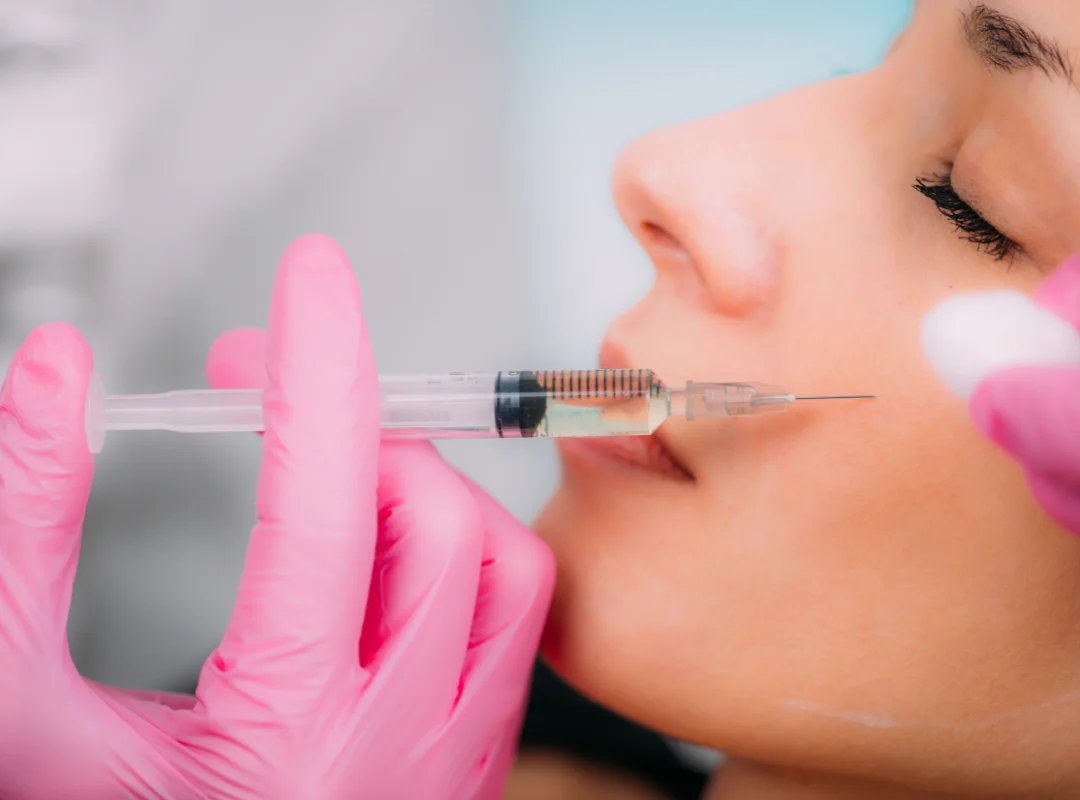
Your ideal schedule depends on your needs, aesthetic goals, and skin condition. These signs mean it is time to rebook:
Most people who match their appointments to these signs, rather than to a calendar, keep a more youthful appearance with fewer injections per year, even as aging continues. If you also get facials or peels, plan how long after Botox to get a facial so other treatments do not move fresh products.
Consulting a qualified provider is essential for safety and for achieving your desired results. Experienced providers track how long each product lasts in your treated areas and adjust the dose, the ideal timing, and the treatment plan around your individual response. At Skin Artistry Clinic, board-certified physician Dr. Faiqa Chaudhry, MD, performs every injection herself and keeps a record of each visit, so your treatment schedule reflects how your face responds over time.
Daily SPF 30 protects the benefits of each treatment by slowing UV breakdown, and consistent lifestyle habits help you keep results longer.
Skin Artistry Clinic offers Botox and Juvederm fillers with personalized care for patients who want the best results from the fewest visits. The clinic sits on Danville Blvd, easily accessible from Danville, Walnut Creek, and San Ramon.
For skin concerns that injectables do not treat, such as texture and sun damage, we offer IPL photofacial, Laser resurfacing, RF Microneedling, and more. Call 925-404-4293, visit us at 3189 Danville Blvd, Suite #245, Alamo, CA 94507, or email drfaiqa@skinartistryclinic.com to book.
Below, we’ve answered some frequently asked questions about Botox.
A: Yes. Botox every 2 months is too frequent. The FDA label advises at least 3 months between cosmetic treatments, and shorter intervals raise a small risk of antibodies that can make future Botox less effective.
A: Twenty units is the standard FDA-approved dose for frown lines between brows. It can also treat the forehead or both crow’s feet with a lighter touch, but it will not cover all three areas at once.
A: Yes. Every 12 weeks matches the 3-month minimum on the Botox label, and most patients stay on this schedule for years without issues. Your injector should still check that results have worn off first.
A: No. When you stop Botox, muscle movement returns over a few weeks, and lines come back no deeper than they would have been. Years of relaxed muscles often leave shallower lines than untreated skin.
A: Areas near the eyes carry the most risk: products placed too low on the forehead or frown area can spread to the eyelid muscle and cause a droopy lid for several weeks. Mouth and neck injections also require careful dosing.
Please fill in the form below to book an appointment
