
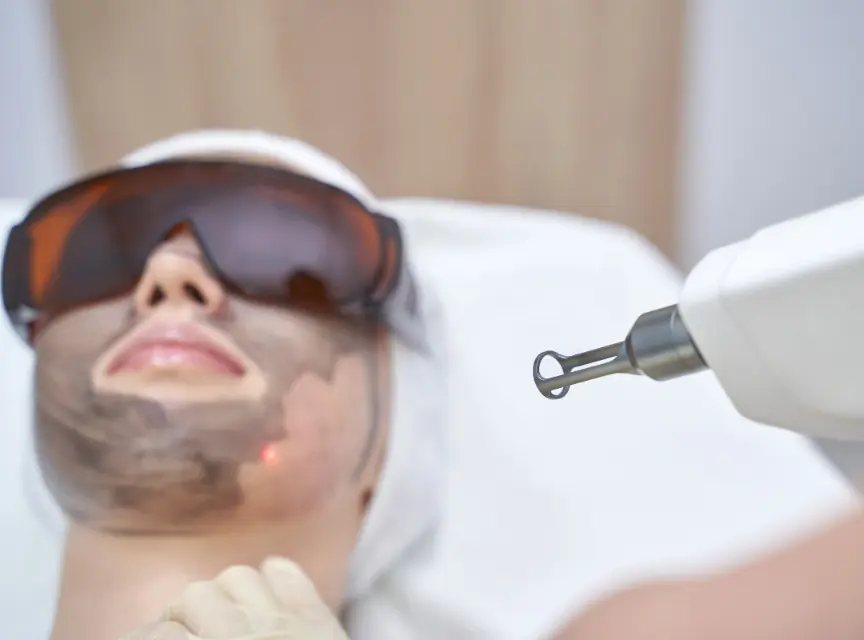
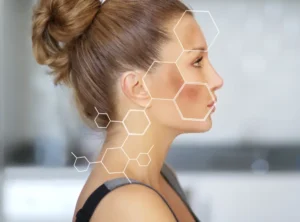
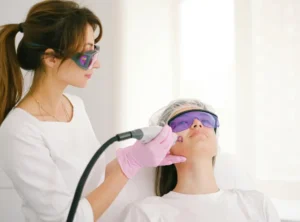
Advanced laser technology is changing dermatology by allowing providers to treat specific skin concerns with greater precision. Modern lasers can target unwanted hair, pigmentation, scars, visible blood vessels, tattoos, and signs of aging while limiting effects on surrounding skin. Different laser wavelengths and settings allow treatment to be adjusted based on the condition being addressed. Let’s learn a bit more.
How Laser Technology is Changing Dermatology
Modern laser dermatology is built around controlled light energy. Different devices produce specific wavelengths that interact with particular targets in the skin, such as:
- Melanin
- Blood vessels
- Tattoo pigment
- Water within skin cells
This targeted interaction makes it possible to treat different conditions using different energy settings and treatment methods.
Older laser systems were mostly associated with greater discomfort and longer recovery periods. Advances in cooling systems, device design, pulse control, and fractional delivery have changed the experience for many patients.
Some modern treatments can address the deeper layers of your skin while leaving portions of the surrounding tissue untouched, which can reduce the amount of visible recovery required.
The choice of technology remains important because not every laser is designed for every skin condition. A dermatologist considers your skin tone, medical history, and treatment area before selecting a device.
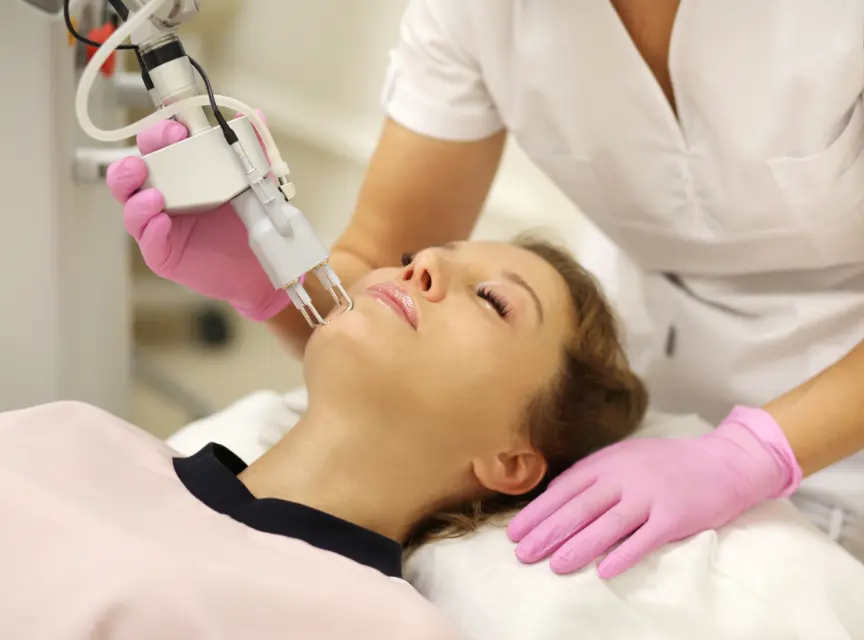
Laser Treatment for Skin Resurfacing
Skin resurfacing treatment removes or heats selected areas of damaged skin, encouraging the body to produce new tissue. “Ablative lasers” remove controlled layers of the skin and can be used for more pronounced concerns such as:
- Deep wrinkles
- Certain scars
- Significant changes in skin texture
Because ablative treatment affects the surface of your skin, recovery can be more noticeable than with other laser options.
“Non-ablative lasers”, in contrast, heat tissue beneath the surface without removing the outer layer in the same way. These treatments can encourage collagen production and support gradual improvements in the appearance of the skin.
Modern laser skin resurfacing also includes fractional techniques. Instead of continuously treating an entire area, fractional systems create microscopic treatment zones while leaving untreated skin between them.
Fractional Laser Resurfacing & Acne Scars
Fractional laser resurfacing is used for concerns of uneven skin texture and scars. It creates tiny columns of controlled thermal injury within your skin, prompting a healing response.
If you have acne scars, this process can encourage new collagen formation and gradually change the appearance of depressed or uneven scar tissue. Several sessions may be recommended depending on:
- Depth of the scar depth
- Skin condition
- Laser being used
The goal is not to erase every scar immediately. Instead, laser resurfacing can gradually improve the texture and appearance of treated areas as new collagen develops.
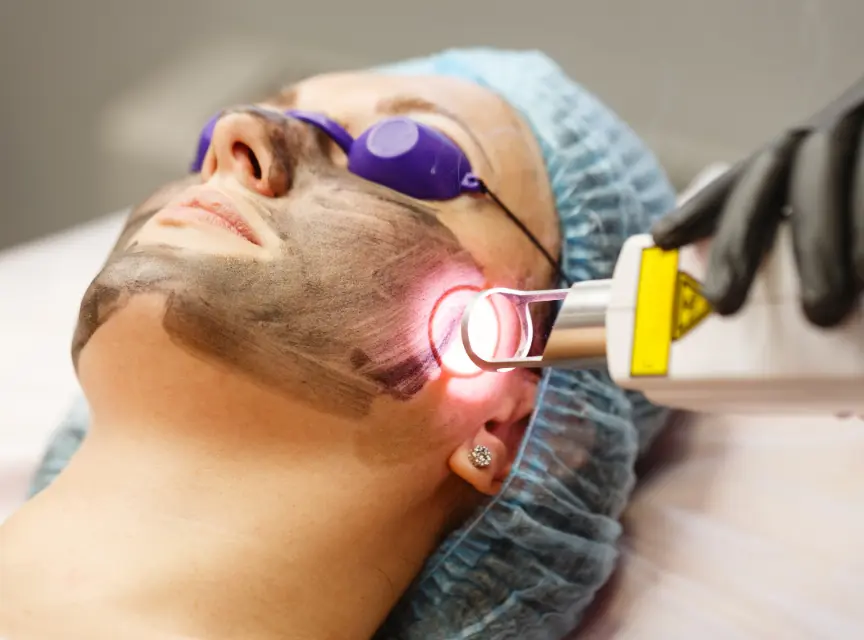
Skin Rejuvenation & Collagen Production
Certain laser treatments work beneath the surface to stimulate collagen production, which can contribute to firmer-looking skin and improved texture. Collagen is a structural protein that provides support within the skin. As natural production of collagen changes with age, the skin may experience reduced firmness, develop fine lines, and change in texture. Laser energy can create controlled thermal stimulation that signals natural repair processes of your body.
Treatments designed around collagen stimulation may be used for facial skin, the neck, and other areas. The degree of change varies according to the treatment settings, device, skin condition, and individual response.
Intense Pulsed Light & Pulsed Dye Lasers
Intense pulsed light technology delivers a broad spectrum of light that can target certain pigment and vascular concerns. IPL is usually used for uneven pigmentation, visible redness, and some signs of sun-related skin changes.
“Pulsed dye lasers” use concentrated light that is absorbed strongly by blood vessels and may be used for conditions involving vascular lesions, redness, and certain visible blood vessels.
Although these technologies work differently, both demonstrate how modern dermatology can use wavelengths and controlled energy to target different structures within the skin.
Laser Hair Removal & Hair Follicles
Laser technology has also changed hair removal. Laser hair removal uses concentrated light energy absorbed by the pigment in hair, generating heat that affects the targeted hair follicles.
The treatment reduces hair growth rather than guaranteeing complete, permanent removal of every hair. Because hair grows in different cycles, multiple treatment sessions are usually needed to target follicles during their active growth phase.
Tattoo Removal With Advanced Lasers
Tattoo removal is another area where laser technology has made major advances. Tattoo ink remains in your skin, making it difficult to remove with ordinary surface treatments.
Specialized lasers deliver short, high-energy pulses that break down tattoo pigment into smaller particles. The natural processes of your body can then gradually clear these particles from the treated area.
Different colors of the ink can respond differently to wavelengths, so tattoo removal may involve more than one type of laser. The age of the tattoo, color, depth, location, ink composition, and your skin characteristics can all influence treatment results.
Minimal Downtime With Modern Advanced Laser Treatments
Another significant development is the ability to create controlled treatment zones while reducing unnecessary exposure to surrounding tissue. Fractional systems are an example of this principle.
Some procedures can involve minimal downtime, while others require several days for the skin to recover. Recovery depends on:
- Treatment intensity
- Type of laser
- Area being treated
- Individual skin response
What the Future Holds for Laser Dermatology
The future of laser dermatology is likely to involve greater personalization of treatment settings. Researchers are also studying combinations of laser treatments with other dermatological procedures to address multiple aspects of skin appearance.
As technology develops, understanding the differences between laser systems becomes increasingly important. A treatment that works well for acne scars may not be the appropriate choice for pigmentation, vascular lesions, unwanted hair, or tattoo pigment.
Conclusion
How modern and advanced lasers are transforming dermatology is reflected in the growing number of conditions that can be treated with precisely controlled light energy. From skin resurfacing and fractional laser resurfacing to laser hair removal, tattoo removal, and vascular treatments, modern systems offer dermatologists different tools for skin concerns.
Some procedures require significant recovery while others involve minimal downtime, and appropriate technology and carefully selected treatment settings remain central to achieving safe results.
Skin Artistry Clinic: Advanced Laser Treatments
For more information about cosmetic and aesthetic services, call Skin Artistry Clinic. We are offering Botox®/Dysport®, SKINVIVE™ BY JUVÉDERM®, IPL Skin Rejuvenation, Kybella, PRP Microneedling, PRP Hair Rejuvenation, Medical Grade Skin Peels.
You can also visit us for Medical Grade Skin Care Lines, Longevity Medicine & Wellness, Fillers, RF Microneedling, Hydrafacial, and IV Therapy. Contact us to book an appointment.