
Signs Laser Hair Removal Is Not Working


When Hair Keeps Coming Back
Thicker or Darker Hair After Treatment
Inconsistent Results Across Body Areas
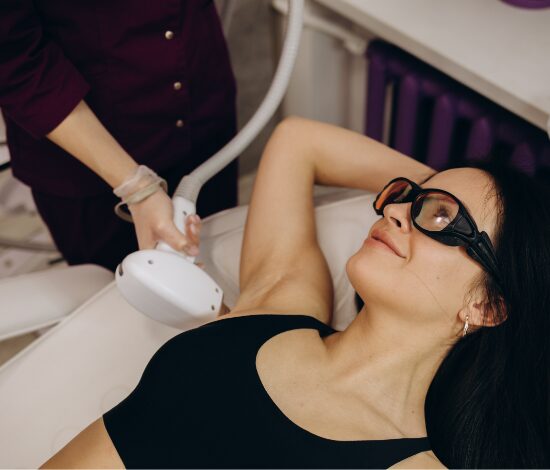
If some parts of your body hair vanish while others stubbornly remain, your laser hair removal treatment might not be working evenly. This inconsistency often happens when the technician doesn’t properly map or target the treated areas. For example, the bikini line or facial hair may require different laser settings than the legs or arms.
Different body areas have unique hair types and growth cycles. The laser hair reduction depends on how well the laser therapy matches these characteristics. Coarse hair usually responds faster, while finer hair may take longer or require higher settings. Proper assessment and customized treatment parameters can make all the difference between patchy results and uniform smoothness.
No Shedding After a Session
Within one to two weeks after each laser hair removal treatment, the treated hair shaft should begin to shed. You might see slight stubble falling off when you rub the treated area. If there’s no shedding at all, that’s one of the earliest signs laser hair removal is not working.
No shedding suggests that the laser energy didn’t reach the hair follicle effectively. This could happen if the technician used the wrong laser for your skin tone or didn’t deliver the correct intensity. Sometimes, lighter hair or finer hair reflects rather than absorbs the laser’s light, making it hard to destroy the follicle. Adjusting the laser settings or switching to a more suitable laser technology can help achieve optimal results.
Minimal Changes Even After Multiple Treatments
Let’s say you’ve completed six to eight hair treatment sessions and still see almost no change. That’s a serious sign your laser hair removal work isn’t paying off. There could be a few reasons. You might be taking certain medications that interfere with laser therapy results. Hormonal disorders such as polycystic ovary syndrome (PCOS) or Cushing’s disease can also cause excess hair growth, making permanent hair removal harder to achieve.
In some cases, the issue lies in the laser systems themselves. Older models or at-home laser hair removal devices might lack the power needed to reach deep follicles. Always ensure your laser hair removal treatments are performed in a professional clinic using FDA-approved equipment.
Sun Exposure Before or After Sessions
Using the Wrong Laser for Your Skin & Hair Type
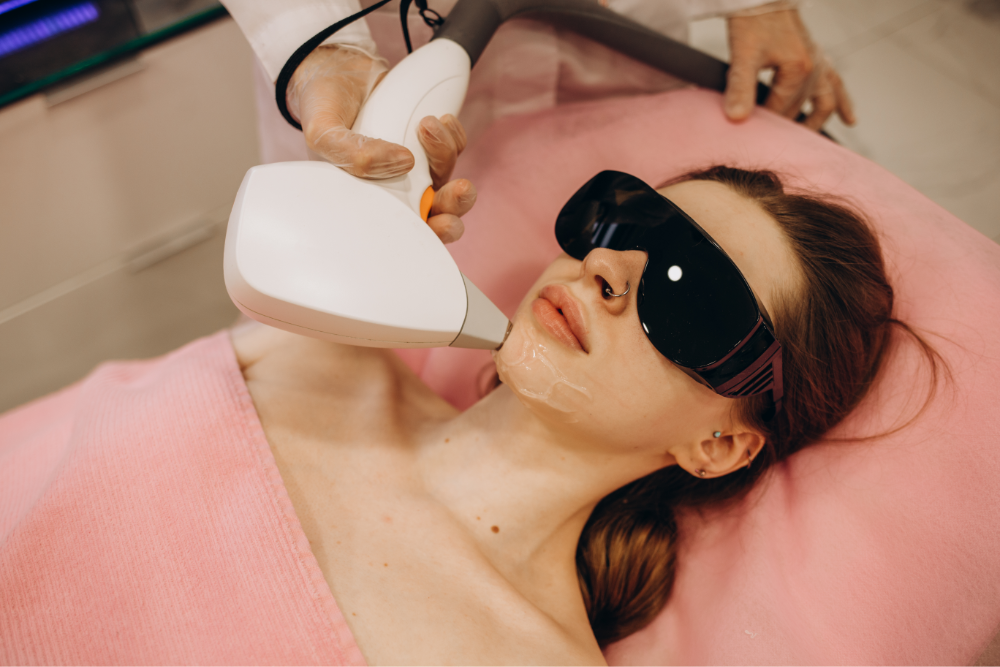
The type of laser used is the heart of your hair removal treatment. Different skin types and hair colors need different laser systems. For instance, light skin with dark hair responds best to diode or Alexandrite lasers, while darker skin needs Nd:YAG lasers that use longer wavelengths to safely bypass the melanin in the skin.
If your technician uses the wrong laser or doesn’t personalize the treatment parameters to your skin and hair type, the laser energy won’t properly target the follicles. Always confirm that your clinic uses advanced laser technology suited to your complexion and hair type.
Hormonal or Medical Conditions Affecting Hair Growth
Incorrect Aftercare Can Undo Results
Unrealistic Expectations About Permanent Hair Removal
Finally, one of the biggest reasons people think laser hair removal is not working is unrealistic expectations. The best laser hair removal treatments offer permanent hair reduction, not absolute permanent hair removal. Some finer hair or thinner hair may grow back lightly over time, especially if you have hormonal changes or certain skin types.
Laser therapy delivers gradual improvement, not instant perfection. Each session weakens the follicles further, reducing density and thickness until the area feels smooth. Patience is key.
When to Seek Professional Advice
If you recognize any of these signs that laser hair removal is not working, don’t lose hope. It doesn’t always mean the treatment has failed; it may just need expert adjustment. Laser hair removal work relies on precision, experience, and personalized care. The right specialist knows how to match your skin tone, hair color, and treatment plan for optimal results. Before giving up, consult a certified dermatologist or licensed aesthetician. They can analyze your hair and skin under proper lighting and review your laser settings. Professional guidance makes all the difference between disappointment and long-term hair reduction. Because when done right, laser hair removal truly is one of the best investments you can make for smoother skin.
Not Seeing Laser Results? We Can Help You Fix That
If you’ve noticed the signs that laser hair removal is not working, it’s not your fault. The truth is, effective laser hair removal depends on precise settings, the right laser technology, and a professional who understands your skin type and hair color. That’s exactly what you’ll find at Skin Artistry Clinic, where Dr. Faiqa Chaudhary personally oversees every laser hair removal treatment to ensure it’s effective and customized for you.
Dr. Faiqa uses advanced laser systems suited for both light and darker skin tones, adjusting parameters to target each hair follicle with accuracy and care. Don’t settle for disappointing results, contact us. Book your consultation today and discover what expertly guided laser hair reduction can do for your skin.