The most common injectable myths are that Botox freezes your face, fillers are permanent, and wrinkles get worse when you stop treatment. A correct Botox dose relaxes only the targeted muscles, so your face keeps its natural expression. Hyaluronic acid fillers last 6 to 24 months, and an injector can dissolve them early with hyaluronidase. When neurotoxin results fade after 3 to 4 months, your lines return gradually and do not get worse because of the treatment.

Most common Botox myths trace back to one misunderstanding of how the product works. Botox blocks the nerve signal that tells a muscle to contract, and that effect stays in the area where it is injected.
Botox does not freeze your face when administered correctly. Frozen faces come from too many units placed in too many areas, not from the product itself. A skilled injector doses only the targeted muscles and leaves the surrounding muscles free. You keep normal facial expressions while smoothing wrinkles.
The goal is a subtle enhancement of your natural beauty, not an unnatural appearance. Botox and fillers both give natural results, and which one looks more natural depends on whether your concern is movement or lost volume.
Stopping Botox does not make you prematurely age. Botox treatments typically last 3 to 4 months. As the effects wear off, the muscles gradually return to their natural state, and your lines return to where they would have been without treatment. Fewer creases also form while the muscles stay relaxed. So Botox does not make wrinkles worse after you stop.
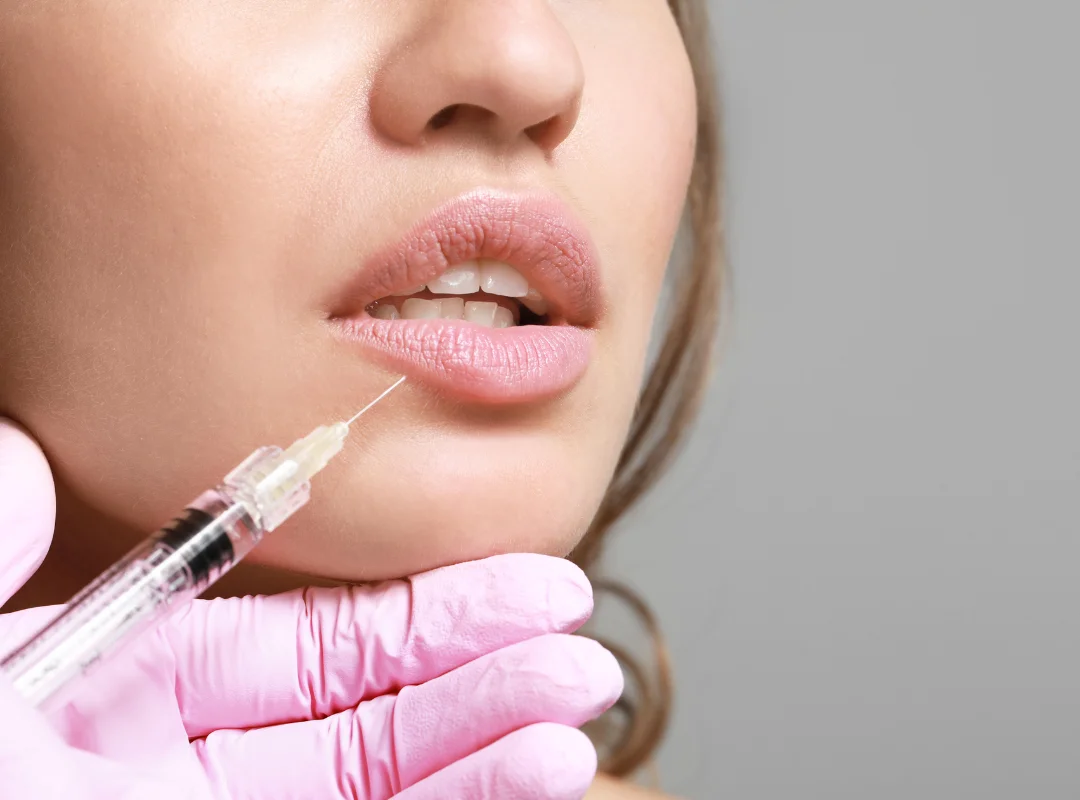
The truth is that Botox suits more than older people. Many patients in their 20s and 30s use Botox preventatively to soften early lines before they set into the skin at rest. Younger people usually need fewer units because their lines are shallower. Older individuals use it to reduce wrinkles that already show, often alongside fillers for lost volume.
Botox has been used safely for over 30 years. In the early days, doctors used it to treat eye muscle spasms, and the FDA approved it for frown lines in 2002. Dangerous side effects are rare when a licensed injector uses the correct dose. The most common short-term issue is a drooping eyelid when the product spreads to a nearby muscle, and it fades as the Botox wears off.
Over 99% of Botox users never develop immunity to it. The same dose keeps working for years in most patients.
Botox treats more than lines and wrinkles. The FDA has approved it for chronic migraines and excessive underarm sweating. For migraines, injections go into set points across the forehead, temples, back of the head, neck, and shoulders. Skin Artistry Clinic offers both medical uses, along with masseter injections for jaw clenching.
Botox and fillers solve different problems. Botox relaxes muscles to soften lines that appear with movement. Fillers replace the fat, collagen, and bone support the face loses with age. The difference between Botox and Juvederm decides which treatment fits each line on your face.
These are the main areas on the face where Botox is injected, and each one forms from repeated muscle movement:

Fillers offer what Botox cannot. They add volume to hollow cheeks, thin lips, and deep folds such as the lines from the nose to the mouth. Soft hyaluronic acid fillers also smooth fine lines around the mouth that stay visible at rest. Many patients combine both treatments for a refreshed appearance: Botox for movement lines and filler for volume.
Dermal fillers are gel-like substances used to restore lost volume or enhance contours. Most misconceptions about them concern where they go and what happens when they dissolve.
Fillers are temporary. Most fillers last between six months and two years, depending on the product and the area. Hyaluronic acid fillers typically last 6 to 18 months before your body metabolizes them. Lips break down faster than cheeks because they move more. The longest-lasting fillers use denser gels placed in low-movement areas.
Fillers do not make your skin sag after they wear off. As the gel dissolves, your face returns to how it would look without treatment, plus normal aging over that time. Some fillers also stimulate collagen production, so part of the benefit lasts after the product is gone. Patients who take a break from fillers after 2 years see a gradual change, not a sudden drop.

Women still make up most injectable patients, but many men now get Botox and fillers. Men usually ask for jawline and chin definition, under-eye hollows, and forehead lines. They often need more Botox units because male facial muscles are stronger. Injectables suit men when the plan respects male anatomy: a flat brow, a strong jaw, and no overfilled cheeks.
Injectable procedures cannot replace surgical facelifts, but they can complement them. A facelift removes and lifts loose skin, which no filler or neuromodulator can do. Injectables treat lines, volume loss, and skin quality before or after surgery. They can also help maintain a youthful appearance longer while sagging is still mild.
Botox injections feel like quick pinches that last a few seconds each. Most Juvederm fillers contain lidocaine to numb the area, and a topical numbing cream reduces discomfort further. Few patients find the treatment painful enough to need time off work.
Injectable treatments can cause temporary swelling, bruising, and tenderness at the injection sites for a few days. Bruising is part of the healing process, not a sign of a bad result. After Botox, avoid strenuous exercise, alcohol, and lying flat for 4 hours.
Injectables are medical procedures that carry potential risks and require professional administration. In California, only a physician, or a registered nurse or physician assistant under a physician’s supervision, may inject Botox and fillers. Medical assistants and estheticians cannot. Severe complications from injectable fillers, such as filler blocking a blood vessel, are rare with qualified injectors.
Choosing a skilled injector reduces the risk of complications. Experienced injectors map facial anatomy before injecting, keep hyaluronidase on hand to dissolve hyaluronic acid filler in an emergency, and plan each dose around your unique beauty. At Skin Artistry Clinic, board-certified physician Dr. Faiqa Chaudhry, MD, performs every injection herself.
Skin Artistry Clinic offers Botox and Dysport and Juvederm fillers to patients in Alamo, Danville, Walnut Creek, and San Ramon. Your consultation with Dr. Faiqa Chaudhry covers which lines need Botox, which areas need volume, and how often to return, so you can make informed decisions about your appearance.
For smoother skin texture without added volume, Dr. Faiqa Chaudhry offers SKINVIVE by Juvederm and more treatments. Call 925-404-4293, visit us at 3189 Danville Blvd, Suite #245, Alamo, CA 94507, or email drfaiqa@skinartistryclinic.com to book.
Below, we’ve answered some common questions about skin treatments.
A: Common skincare myths include that higher SPF lets you skip reapplying, that oily skin needs no moisturizer, and that pricier products work better. Ingredients, consistency, and daily sunscreen matter more than price.
A: The most common Botox myths are that it freezes your face, that stopping it speeds up aging, and that it only treats wrinkles. Correct dosing keeps expressions natural, and Botox also treats migraines and excessive sweating.
A: Acne treatments include topical retinoids, benzoyl peroxide, oral antibiotics such as doxycycline, hormonal therapy, and chemical peels. For acne scars, RF microneedling and PRP treat more serious damage that topical products cannot reach.
A: After 10 years of regular Botox, the treated areas usually show fewer deep forehead lines and frown lines because relaxed muscles crease the skin less. Some patients also need smaller doses over time as those muscles weaken.
A: Alternatives to Botox include Dysport and other neuromodulators, hyaluronic acid fillers for static lines, SKINVIVE for smoother skin texture, RF microneedling, chemical peels, and IPL photofacials. Each treats a different cause, so a consultation decides the right match.
Please fill in the form below to book an appointment
