For most people managing PCOS facial hair, laser hair removal is the better starting point. It is faster, covers more area per session, and delivers a reduction in unwanted facial hair. However, electrolysis remains the only truly permanent hair removal method recognized by the FDA, making it the stronger choice for certain skin tones and hair types. The right answer depends on how actively polycystic ovary syndrome is driving your hair growth.
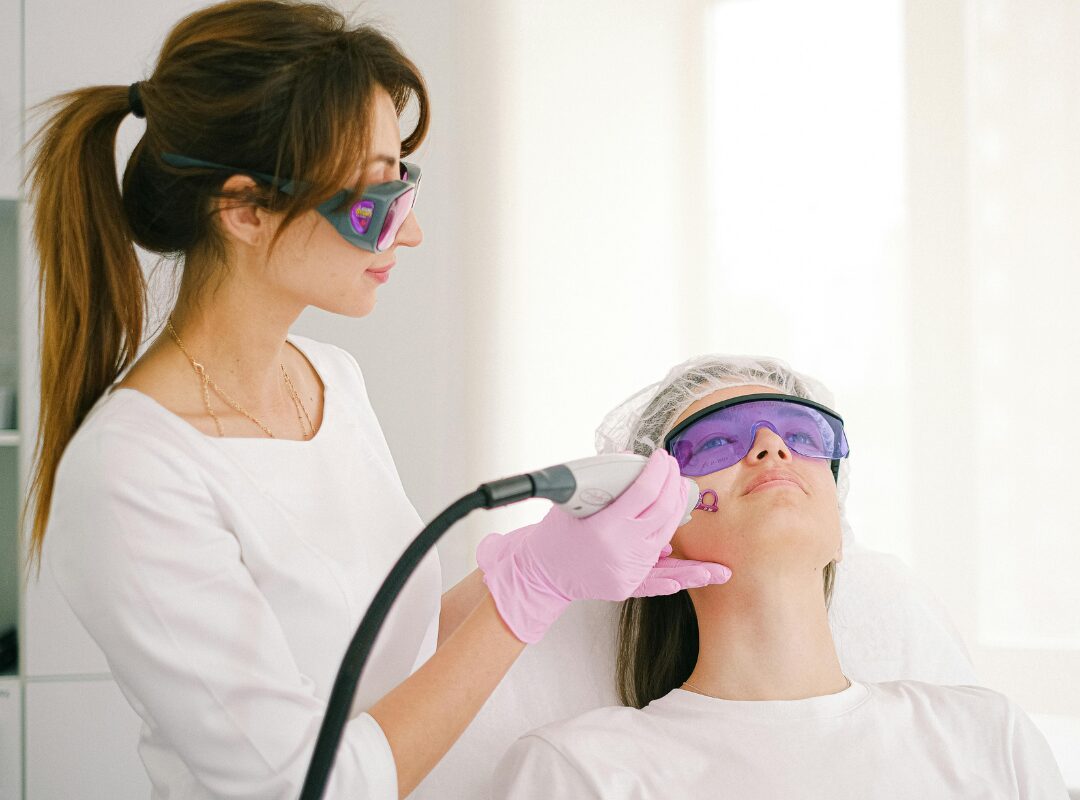
Knowing how laser hair removal works sets realistic expectations. During a session, concentrated light energy is directed into your hair follicles, where the pigment in the hair shaft absorbs it. This converts light energy into heat, damaging the follicle and disrupting future hair growth.
Laser hair devices cover relatively large treatment zones quickly, making them practical for clearing unwanted facial hair across the upper lip, full chin, and jaw in a single visit. For widespread PCOS facial hair, this speed is a meaningful advantage over electrolysis, which treats one follicle at a time.
But there is a limitation. Laser treatments perform best on dark hair against light skin. The contrast between pigment in dark hair and surrounding skin is what allows light energy to target hair follicles precisely. Modern devices have expanded options for dark skin tones, but results vary.
If you have dark skin or finer, lighter facial hair driven by polycystic ovary syndrome, your skin doctor or aesthetician must select the appropriate device, such as an “Nd: YAG laser” to treat you safely. This will give a meaningful reduction in unwanted facial hair.
Electrolysis uses a fine probe inserted directly into each hair follicle, delivering a small electric current to permanently destroy the growth center of the follicle. Because it targets individual follicles regardless of pigment, it is not restricted by hair types or the tone of your skin, the way laser hair removal is.
The great news is that it works equally well on:
For someone with PCOS, facial hair that includes lighter or finer hairs that laser treatments cannot reliably target, electrolysis fills a gap and remains the only option guaranteed to give truly permanent hair removal in those areas.
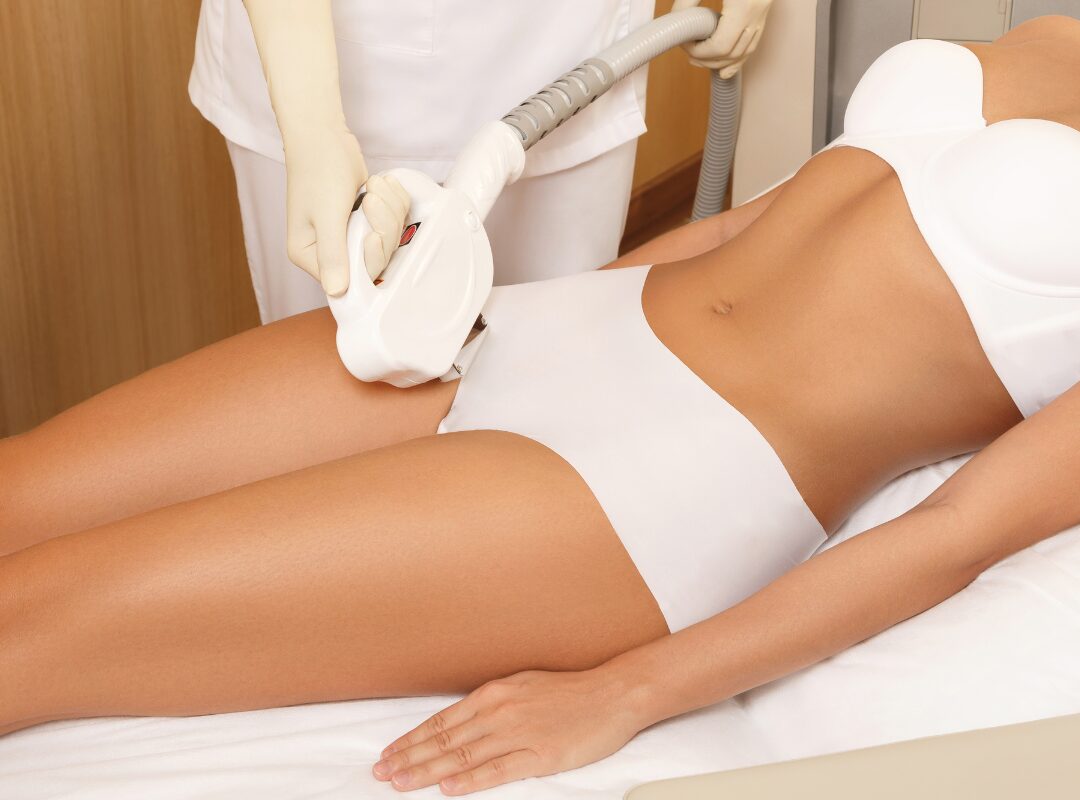
The trade-off is time. Clearing unwanted facial hair across your chin, jaw, and upper lip through electrolysis requires more sessions than laser hair removal. For this reason, many skin doctors and aesthetic physicians recommend a combined approach, which is to use laser hair removal to reduce the bulk of dark hair first, then finish with electrolysis for any remaining lighter strands. Residents near Lafayette can discuss this combined strategy with Dr. Faiqa Chaudhry, MD, at our medical spa in Lafayette, CA.
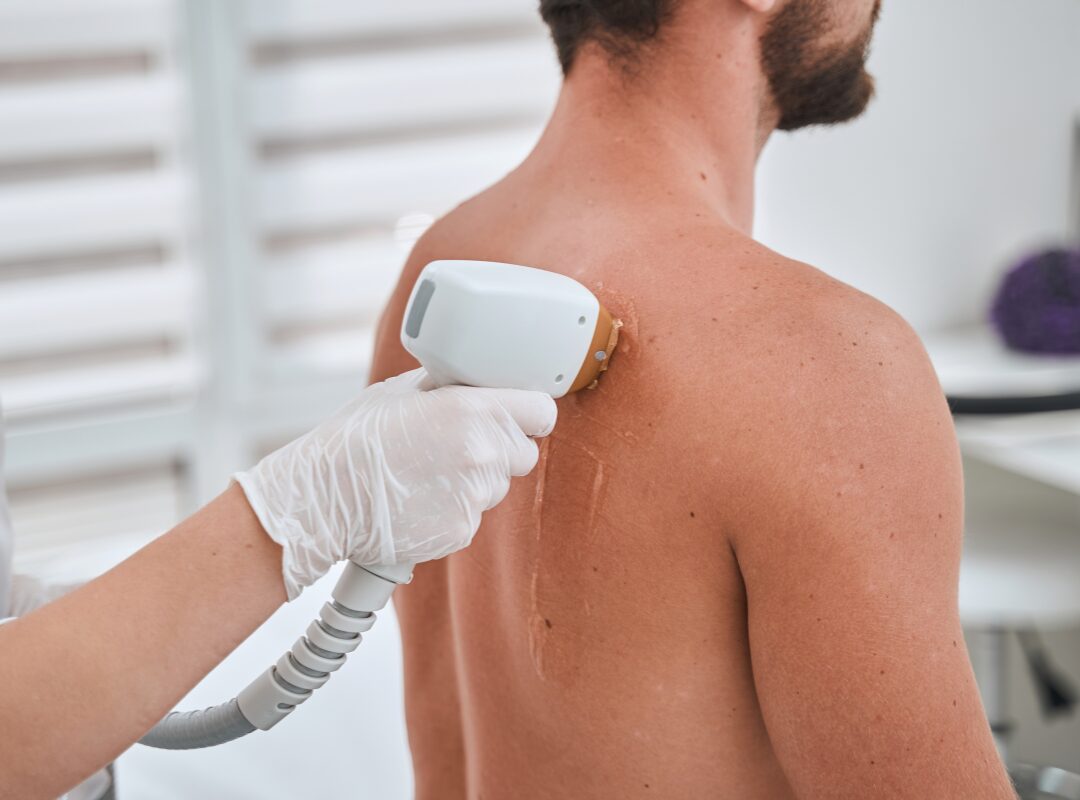
How many sessions you need depends on:
How actively is polycystic ovary syndrome stimulating new hair growth
For laser hair removal, most people require 6 to 8 sessions spaced 4 to 6 weeks apart. Because the hormonal nature of polycystic ovary syndrome can continuously activate new follicles, maintenance sessions beyond the initial series are very common.
Before your first appointment, review why you should shave before laser hair removal to prepare correctly and get the most from each session.
With electrolysis, the number of appointments is considerably higher — generally 15 to 30 or more for facial areas. For a broader timeline of what to expect from energy-based hair removal, how long to see results from IPL hair removal provides helpful context. If you live near Danville, you can get a session estimate from providers at our medical spa in Danville, CA, based on your hair type and skin tone.
Have dark hair and light skin? Laser hair removal will deliver more dramatic results with fewer appointments. Also, hair removal by laser treatment is generally more comfortable per visit than electrolysis.
Have dark skin, finer facial hair, or mixed hair types that include lighter strands? Electrolysis or a combined approach will produce more thorough permanent hair removal.
Those near San Ramon can speak with our experienced providers at our medical spa in San Ramon, CA, to determine which path suits their profile. Regardless of method, treating the hormonal root cause of “polycystic ovary syndrome” with your physician in parallel with your hair removal program reduces the need for ongoing maintenance. Doing this will produce more complete results against stubborn PCOS facial hair.
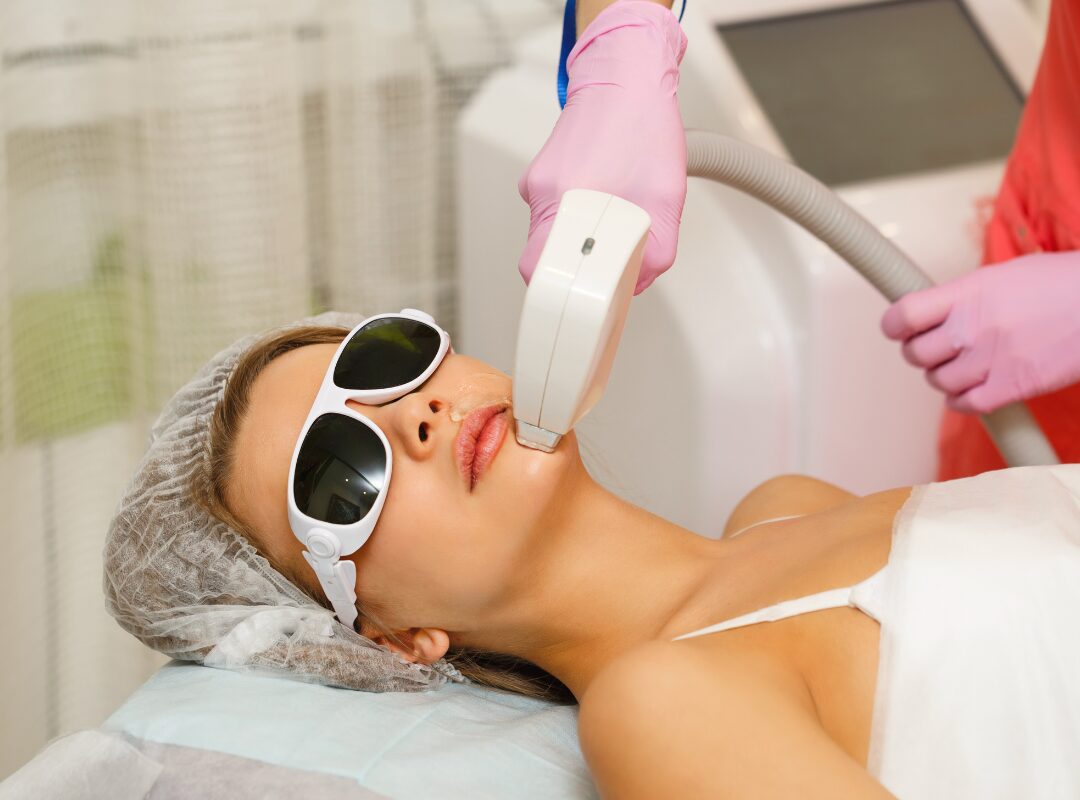
For PCOS, facial hair laser hair removal is the more practical first-line option for those with dark hair and lighter skin. Electrolysis is the superior choice for true permanent hair removal across all hair types and skin tones.
You can also follow a combined approach after discussing with your doctor:
This works well for many people with polycystic ovary syndrome. Managing the hormonal driver alongside any hair removal method delivers the most complete results against unwanted facial hair.
For expert care in managing PCOS facial hair, Skin Artistry Clinic, led by Dr. Faiqa Chaudhry, offers treatments including IPL Hair Removal, RF Microneedling, Hydrafacial, Microneedling with PRP, PRP Hair Rejuvenation, IV Therapy, and Medical Grade Skin Peels.
Related services like dermal fillers, skin tightening, acne scar treatment, and medspa services round out an experience of complete skin wellness.
Book your consultation with Dr. Faiqa Chaudhry at Skin Artistry Clinic today.
In short, Laser hair removal is more practical and faster for PCOS facial hair, especially if you have dark hair on light skin. Electrolysis is the only permanent hair removal method that is recognized by the FDA and works across all hair types.
Laser hair removal significantly reduces unwanted facial hair, but because polycystic ovary syndrome drives ongoing hair growth hormonally, maintenance sessions are generally needed. You can also pair laser treatments with hormonal management, as it will produce the most sustained results.
Most people just need 6 to 8 laser hair removal sessions for initial reduction. Because PCOS continues to stimulate hair follicles, periodic touch-ups are recommended by the professional beyond the first course of laser treatments.
Yes, but device selection is critical. If you have dark skin, you will require specific lasers to safely deliver light energy to hair follicles without affecting surrounding pigment. You should always consult a clinic experienced with dark skin tones before you begin any laser hair removal program.
IPL hair removal uses broad-spectrum light. On the flip side, laser hair removal uses a single concentrated wavelength. Both target hair follicles and use light energy, but laser treatments give you greater precision and are generally preferred for PCOS facial hair with dark hair. The reason is its stronger penetration and more consistent reduction of unwanted facial hair.
Please fill in the form below to book an appointment
