
Are Injectables Safe for Sensitive Skin Types?
Managing a sensitive skin type is practically a full-time job. So, when you start noticing fine lines, crow’s feet, or volume loss, you might hesitate to go for any skin treatment.
This brings up a very common question: are injectables safe for sensitive skin types? The short answer is yes. But there is a catch.
Better preparation = better results.
Anyone dealing with skin sensitivities needs to approach cosmetic treatments with a bit more caution than the average person. So, let’s break down exactly how you can achieve natural-looking results safely without irritating your delicate skin.
Understanding Your Skin Type & Sensitivities
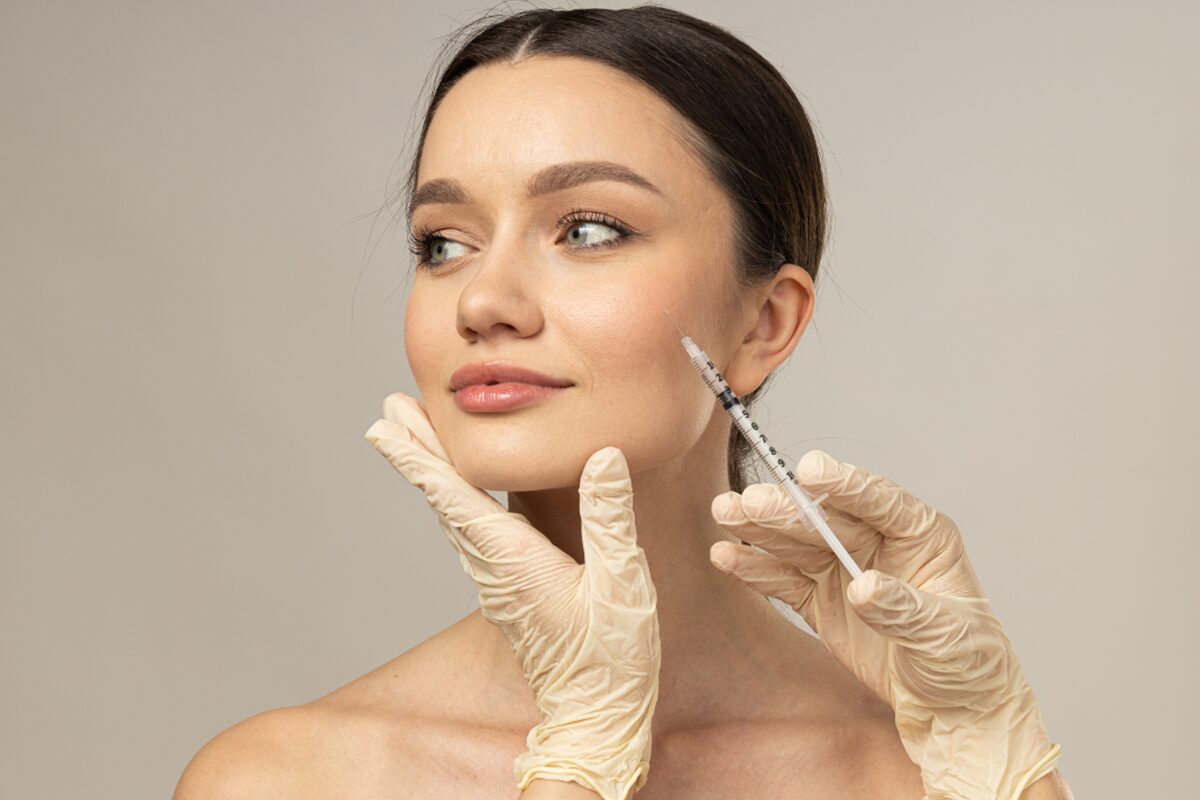
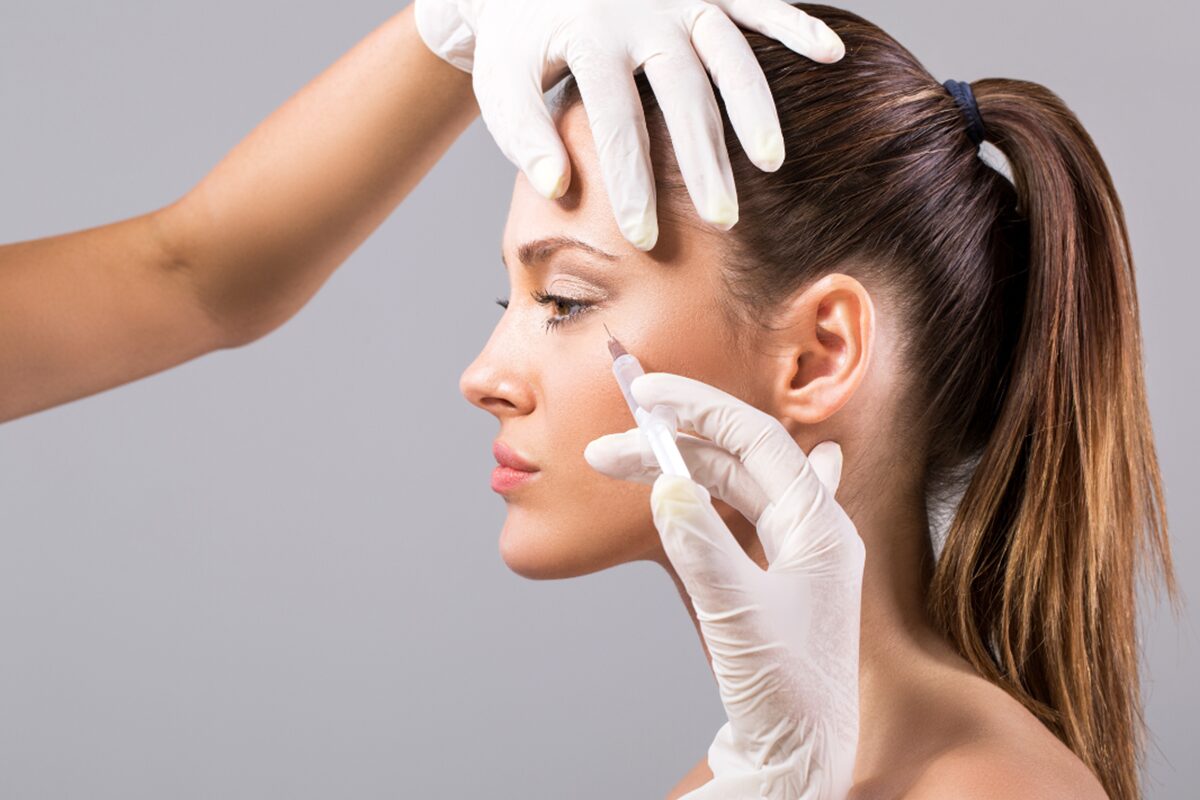
Unlike lotions that sit on the surface and can disrupt your skin’s barrier, injections bypass the epidermis entirely. They are placed deep into the tissue. Hence, the risk of surface-level contact dermatitis is actually quite low. However, understanding your unique skin profile is critical before moving forward.
If you are new to cosmetic treatments, learning about things to know before visiting a medical spa in Lafayette, CA can help you prepare safely.
Are Dermal Fillers Safe for Sensitive or Reactive Skin?
The answer is generally: Yes. Over 3 million dermal filler injections are performed annually in the US, and they boast an excellent safety record. Even for patients with sensitive or reactive skin, these treatments are considered generally safe.
The key lies in the filler ingredients. Most fillers on the market today are made of hyaluronic acid (HA). Hyaluronic acid is a sugar molecule naturally found in your body. It keeps your skin hydrated and plump, holding up to 1,000 times its weight in water.
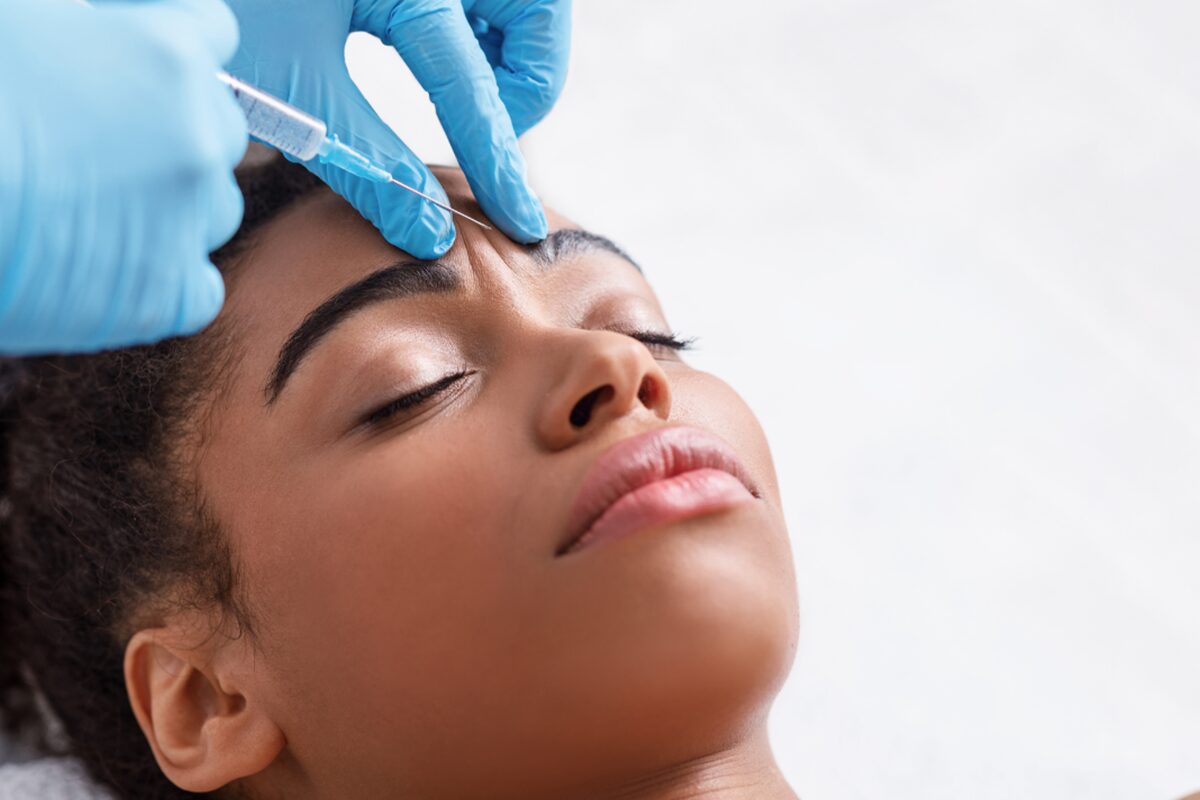
Because HA is not recognized as a foreign substance by your immune system, HA-based fillers are incredibly well-tolerated. So, even if you have highly reactive skin, your body is very unlikely to reject a substance it already produces naturally. For a deeper comparison of treatment options, check out botox vs juvederm to understand how different injectables work.
The Importance of FDA-Approved Fillers
When a product is specifically designed for cosmetic purposes and cleared by the FDA, you know exactly what is going into your body. This takes the guesswork out of filler selection. Counterfeit or unapproved fillers can contain unknown chemicals that cause severe adverse reactions, especially in those with an already compromised skin barrier.
Dr. Faiqa Chaudhry, MD, will only use top-tier, approved products. This ensures that the risk of allergic reactions is minimized and that the filler components are entirely safe for your body. Choosing the right product also means exploring the best long-lasting fillers available for safe and consistent results.
How to Prevent Adverse Reactions
To prevent more severe adverse reactions, thorough consultation is vital. You must share your complete medical history with your provider. Be honest about any active skin infections, recent flare-ups of skin conditions, or known allergies.
Never get an injection if you have an active acne breakout or a cold sore in the treatment area. Proper aftercare is essential, and knowing what to avoid after fillers can help reduce irritation and improve healing.
Post-procedure care is just as crucial. To keep inflammation down, avoid intense heat, such as saunas or hot tubs, for at least 48 hours. Plus, stay out of direct sunlight. Sun exposure can increase redness and worsen swelling, particularly in delicate areas like the lips or cheeks.
Your journey to wellness starts here—schedule your treatment today.
Can Injectables Help with Acne Scarring?
Interestingly, injectables aren’t just for anti-aging; they can actually improve overall skin quality. If you struggle with acne scarring, dermal fillers can be a game-changer.
Certain fillers can be injected directly beneath depressed scars to lift the skin, creating a smooth, even texture. Furthermore, the physical process of filler injection can stimulate collagen production in the treated area.
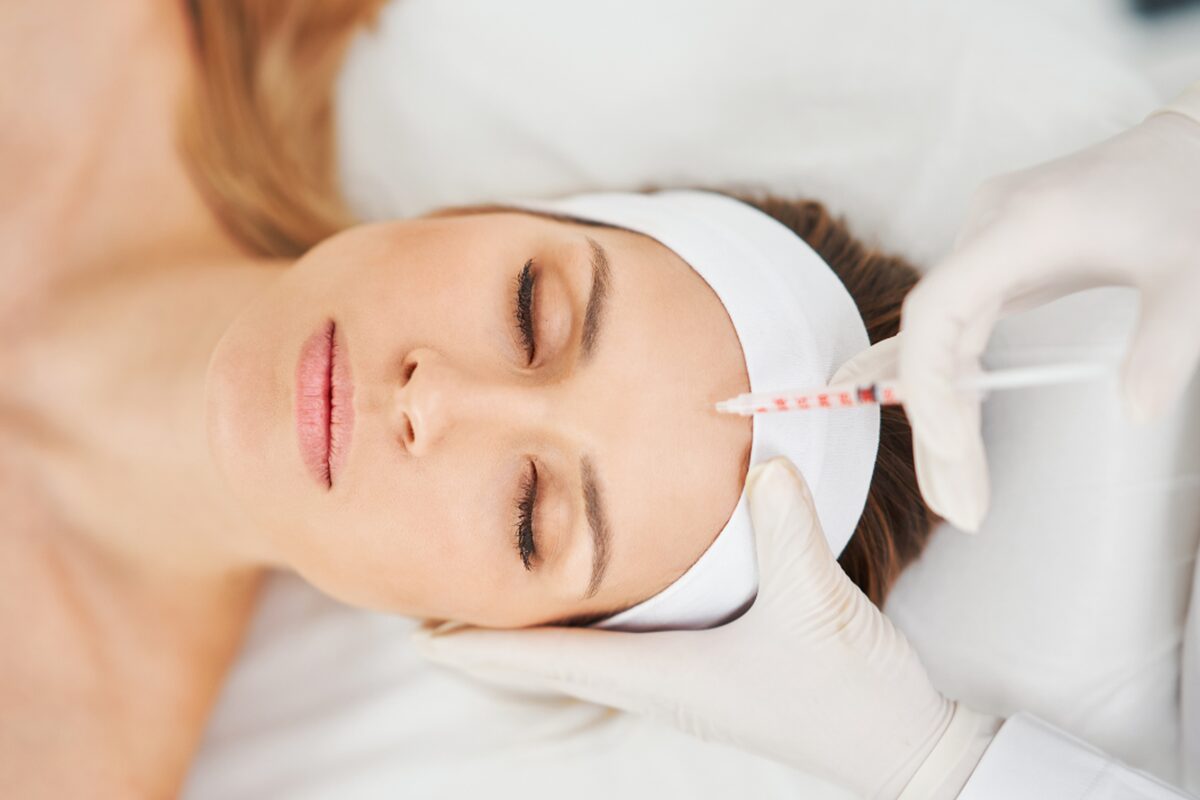
Over time, this extra collagen helps repair the tissue naturally. So, not only do you get an immediate improvement in scar appearance, but your skin actually rebuilds itself from the inside out.
Why is Plastic Surgery not Necessary for Aesthetic Goals?
Invasive treatments come with lengthy recovery times, higher risks of infection, and a lot of trauma to the skin. If you have sensitive skin, surgery can trigger severe inflammation that can take months to resolve.
This is why non-surgical options like Botox and dermal fillers are so popular. They address volume loss, smooth out forehead lines, and soften frown lines without the extreme downtime. If you are aiming for subtle results, understanding which looks more natural, Botox or fillers, can help you choose the right approach.
You can achieve your aesthetic goals with minimally invasive procedures that respect your skin’s boundaries. Whether you want to plump your lips, lift your cheeks, or erase deep wrinkles, injectables offer a safer, gentler alternative to traditional plastic surgery.
Choosing Skin Artistry Clinic for Your Aesthetic Needs
You need a trained professional who understands facial anatomy and the nuances of different skin types. An expert like Dr. Faiqa Chaudhry, MD, knows exactly how to minimize trauma during the Botox Injection procedure. She will use the right needle size, inject at the correct depth, and use techniques that reduce irritation.
Skin Artistry Clinic will discuss potential reactions and have a solid plan in place to manage them if they occur. Better communication leads to a safer, more comfortable experience. Ultimately, having sensitive skin doesn’t mean you are banned from the world of aesthetic enhancements.
By working with us, you can safely smooth and plump your skin with confidence. Contact us now, or visit our clinic at 3189 Danville Blvd, Suite #245, Alamo, CA, 94507.
Frequently Asked Questions
Q1. Are injectables safe for sensitive skin types?
A: Yes, injectables are safe for sensitive skin if administered by a professional using HA-based fillers. For personalized advice, consult the experts at The Skin Artistry Clinic in Alamo, CA.
Q2. Can dermal fillers trigger my rosacea?
A: The injection process might cause temporary redness, but HA fillers don’t typically trigger rosacea flare-ups. Book a consultation at The Skin Artistry Clinic in Antioch, CA, to learn more.
Q3. What should I avoid after getting injections?
A: Avoid intense heat, hot tubs, heavy exercise, and direct sun exposure for 48 hours to minimize swelling. The Skin Artistry Clinic in Berkeley, CA, provides comprehensive aftercare instructions.
Q4. Will Botox cause an allergic reaction?
A: Allergic reactions to Botox are extremely rare, making it highly safe for most patients with sensitive skin. Visit our Medical Spa in Blackhawk, CA, for a safe treatment experience.
Q5. Do fillers help with acne scars on sensitive skin?
A: Yes, fillers can lift depressed scars and stimulate collagen production, improving skin texture safely. Reach out to The Skin Artistry Clinic in Brentwood, CA, to discuss your scar treatment options.