



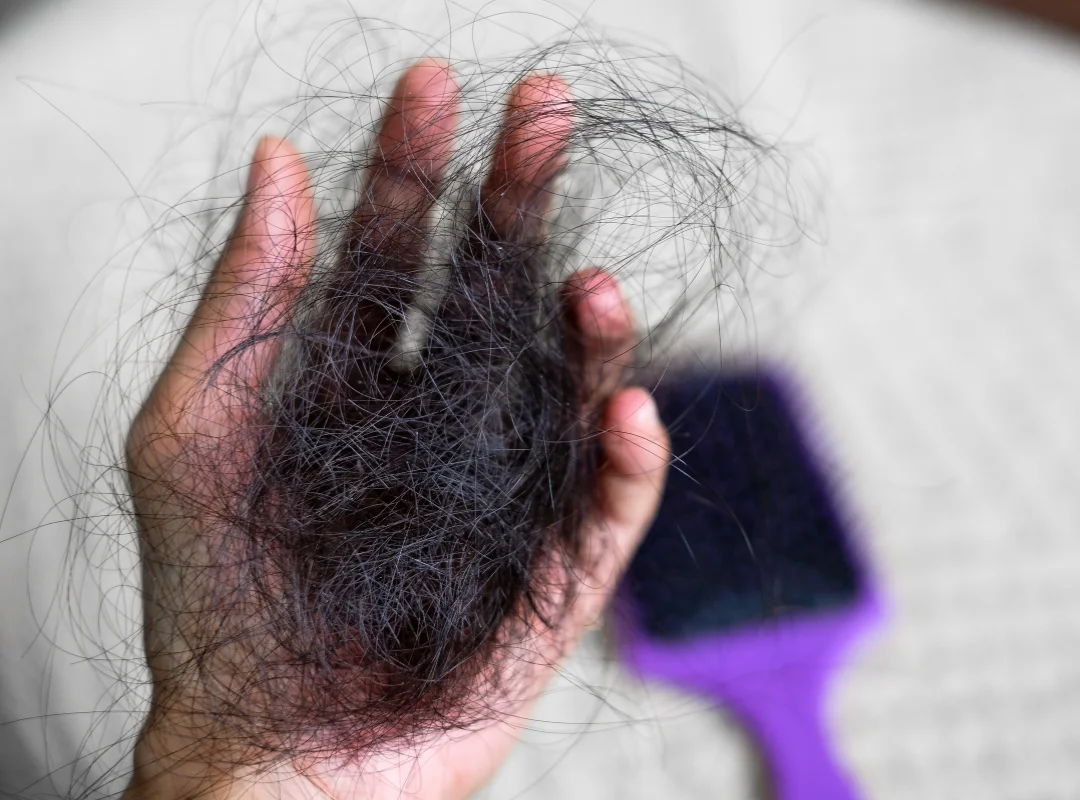
No. There is no solid evidence that creatine causes hair loss. The concern comes from a small 2009 study of rugby players that found higher DHT levels, but it did not measure hair loss and has not been replicated. A 12-week randomized controlled trial later found no significant differences in levels of DHT or hair growth between creatine and placebo groups. Men with a genetic predisposition to pattern baldness should still watch for changes in thinning. Let’s explore more.
How Does Creatine Work?
Our bodies produce creatine naturally, primarily in the liver, kidneys, and pancreas, using amino acids like arginine, glycine, and methionine. It plays an important role in energy production and is crucial for muscle performance during high-intensity activities like sprinting or weightlifting. Creatine helps you perform better and recover faster, making it a valuable ally for athletes and fitness enthusiasts.
Creatine also affects muscle cell hydration by drawing water into cells and increasing their volume. This boost in cell volume creates a perfect environment for muscle growth, promoting protein synthesis and improving glycogen storage. As wellness specialists learn more about creatine, they’ve reached the consensus that it is good for you. However, despite its well-known benefits, some people have voiced concerns about potential side effects like hair loss. Understanding whether PRP can stop hair fall permanently can provide further insight into hair loss treatments and their benefits.
How to Use Creatine as an Ergogenic Supplement
Creatine is a naturally occurring compound that the human body synthesizes from meat and fish. It is important in cell energy production, particularly during intense physical activity. By replenishing adenosine triphosphate (ATP), creatine ensures that energy demands are met quickly. This characteristic makes creatine supplementation especially appealing to athletes and fitness enthusiasts who use it to increase muscle mass.
People also use creatine for purposes other than muscle mass growth. It can support overall energy levels and improve exercise capacity. Creatine has gained popularity for its ability to assist in muscle recovery and reduce muscle soreness. It’s useful for recovery after a heavy workout.
Differentiating Facts from Myths: Creatine & Hair Loss
A 2009 study suggests that creatine supplementation might lead to hair loss. The study found that dihydrotestosterone (DHT) levels increased among participants who consumed creatine. DHT, a derivative of testosterone, is often implicated in hair follicle miniaturization, especially among individuals genetically predisposed to hair thinning or androgenetic alopecia. This study sparked widespread concern, raising questions about the potential impact of creatine on hair health.
While the study identified a rise in DHT levels, it did not link creatine intake directly to hair fall or hair loss. To this day, no definitive clinical evidence establishes a direct causative relationship between creatine and hair fall. Hair thinning is complex and largely influenced by genetic susceptibility to DHT. For those exploring treatment options, learning about the benefits of PRP hair treatments can provide insight into how this procedure may support your hair growth. Even if creatine contributes to a modest increase in DHT, there’s no evidence that it directly causes hair loss.
Creatine’s Impact on Hair & Water Retention
The ongoing debate about creatine and its potential to cause hair loss captivates athletes and researchers. While some individuals have expressed concerns over hair thinning, these claims lack substantial scientific backing. The relationship between creatine supplementation and hair health is complex, and any observed hair loss may be attributed to underlying genetic factors. Those predisposed to male pattern baldness should consider monitoring their hair health, but for the majority of people, creatine remains a safe option for enhancing athletic performance and muscle growth.
Are There Any Side Effects of Creatine?
Creatine is renowned for promoting water retention within muscle cells, a selling point for most bodybuilders and athletes. However, if you’re not seeking muscle water retention, this effect could lead to unwanted weight gain. If you do not plan to put on weight, either through increased muscle mass or water retention, creatine is not for you.
Some people report kidney stress and electrolyte imbalances with creatine use. Follow proper hydration and adhere to recommended dosages to reduce these risks.
Creatine works differently in each person based on their physical health. Consult a nutritionist to guide you on the proper method of creatine intake to avoid any adverse effects. Here are a few recommendations to follow when using creatine:
How to Choose the Right Type of Creatine
Selecting the right type of creatine will maximize its benefits and minimize potential side effects. The most researched and widely used form of creatine is “creatine monohydrate”, known for its efficacy in improving athletic performance and muscle growth. When choosing a creatine supplement, consider factors such as:
- Solubility
- Absorption rate
- Personal tolerance
For those concerned about hair thinning, learning whether PRP is good for female hair loss can offer insight into a treatment option that may support hair growth. Consulting with a healthcare provider can also provide valuable guidance.
Follow a Loading Phase
A loading phase involves taking a higher dose of creatine for a short period to saturate muscle stores more quickly. It usually means 20 grams daily, divided into four 5-gram servings, for 5 to 7 days. In 2026, guidance says loading is optional. Studies measuring muscle creatine show no difference in final levels between people who load and those who start with a maintenance dose.
There is only one difference, and that is speed: loading takes about 5 – 7 days, while 3 – 5 grams daily takes about 3 – 4 weeks. Skipping the loading phase may also avoid temporary water weight gain and mild discomfort in your stomach. Either way, a daily maintenance dose of 3 – 5 grams is enough to keep stores saturated.
Expert Insights on Creatine & Hair Loss
While creatine is known to influence certain hormonal levels, the consensus among researchers is that its impact on hair health is not significant enough to cause concern. The primary factor contributing to hair loss is genetic, commonly known as male pattern baldness. Individuals without a genetic inclination towards hair thinning are unlikely to experience hair loss solely due to creatine intake.
Despite these reassurances, the scientific community acknowledges the need for more research on the long-term effects of creatine on hair health. Current studies have not explored the relationship between creatine and hair loss over prolonged periods or in diverse populations.
As such, experts advocate for cautious optimism, encouraging users to monitor their hair health and consult with healthcare providers if any concerns arise. Until new research is conducted, creatine remains a widely accepted supplement.
Conclusion
Creatine is a popular supplement for people aiming to improve their testosterone ratio and enjoy benefits like muscle recovery and growth. Scientific evidence does not support the claims that creatine causes hair loss. As you add creatine to your fitness routine, it’s important to stay informed and monitor your body’s reactions. With the right approach, creatine can be a valuable addition to your health and wellness journey.
PRP Hair Rejuvenation & More at Skin Artistry Clinic!
Are you concerned about hair loss? Skin Artistry Clinic specializes in PRP hair rejuvenation to restore your hair’s vitality and thickness. We provide personalized care to help you regain your confidence.
But that’s not all we offer. Explore a range of aesthetic services, including Botox for a youthful glow, IPL hair removal for smooth skin, and microneedling with a vampire facial for refreshed-looking skin at Skin Artistry Clinic.
Take the first step towards accentuating your natural beauty. Contact us at 925-404-4293 to schedule your consultation.