
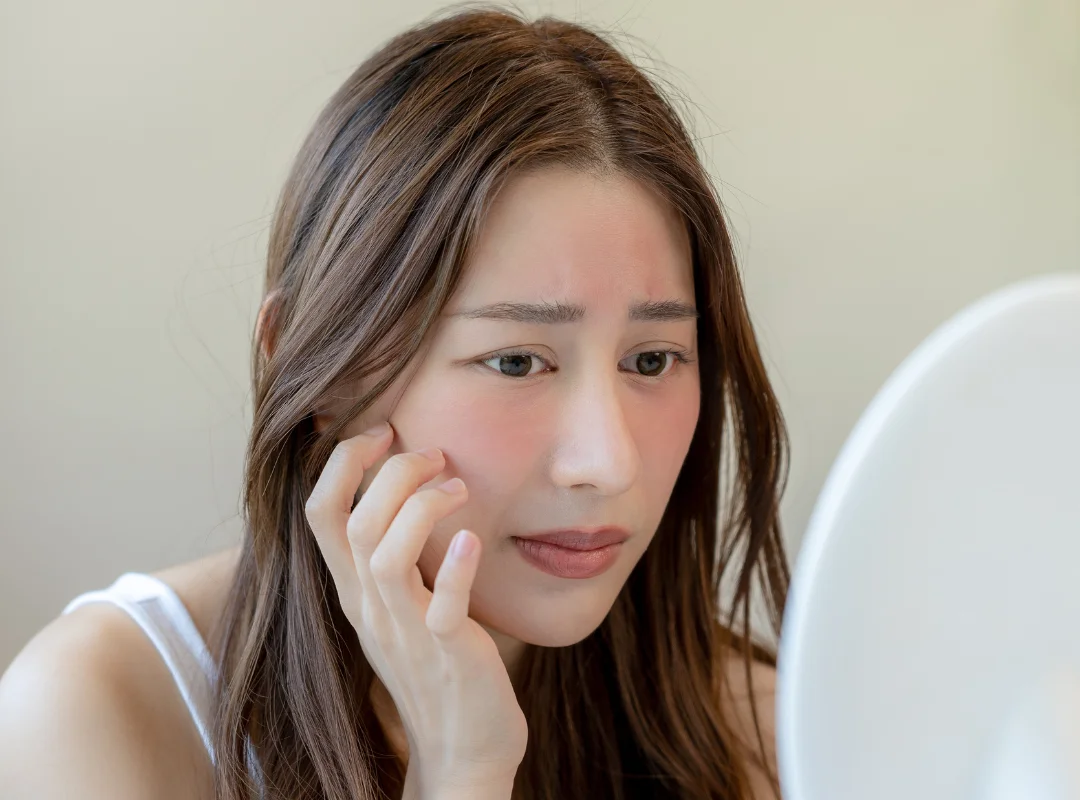



Sensitive skin when you’re sick is common and usually temporary. As your body fights an infection, the immune system releases cytokines that make pain-sensing nerves fire more easily. So normal touch, clothing, or water can feel sore, hot, or burning. Fever, dehydration, and frequent washing then add dryness and redness. While it’s natural, you should still know how to manage it.
Why Skin Sensitivity Rises When You’re Sick
During an illness, several changes happen at once. Your body diverts energy to fight the infection, and each change reduces the skin’s tolerance.
Cytokines & Nerve Signals
Cytokines play a central role here. These immune proteins drive inflammation and increase skin sensitivity during illness by activating pain-sensing neurons. Immune activation lowers the skin’s tolerance, so it reacts more strongly to touch than usual. The skin becomes hypersensitive, and this can make it feel tender, aching, or bruised. Many aestheticians describe it as sunburn without color.
Allodynia
This sensitivity becomes allodynia, where normal stimuli feel painful during illness. A shirt collar, bed sheets, a hairbrush, or even light pressure from a hand can suddenly hurt. It makes daily life uncomfortable, but allodynia is a nerve response, not skin damage, so it fades as the illness clears.
Fever & Blood Flow
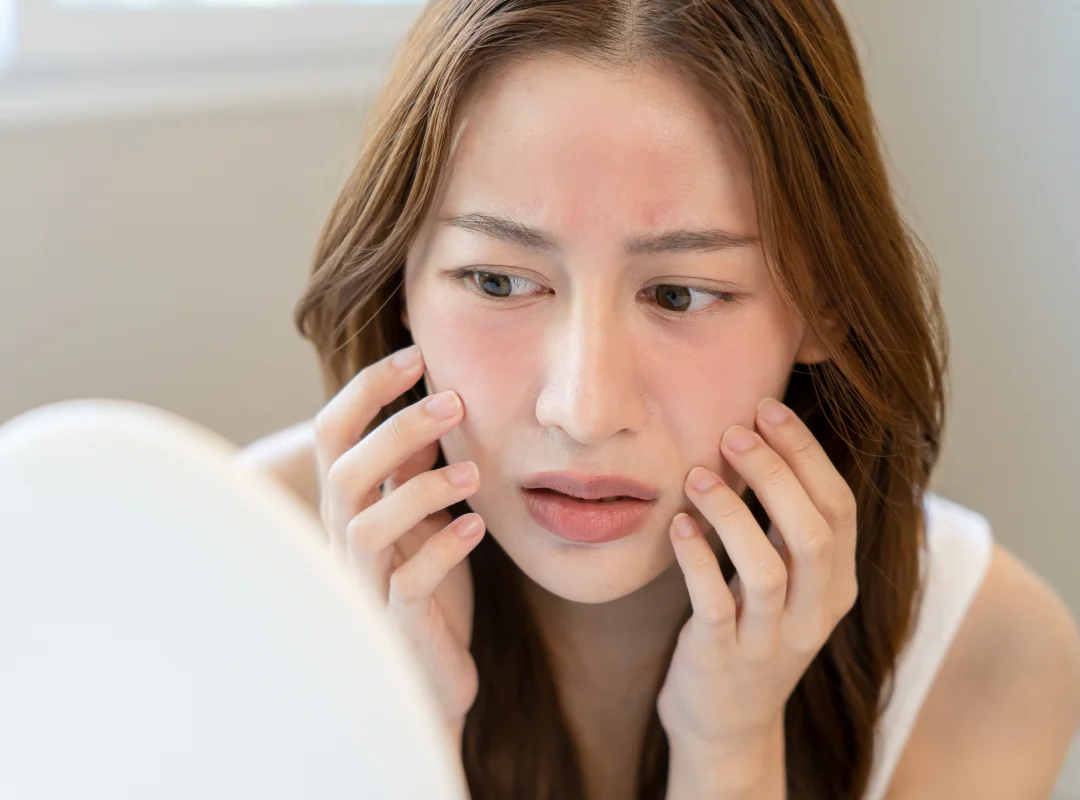
Fever raises your body temperature and increases blood flow to the skin, which can cause flushing and generalized redness. Increased skin blood flow also occurs in sensitive skin outside of illness, which is why warm, flushed skin tends to sting more easily. Fever occasionally triggers cold sores around the mouth in people who carry the herpes simplex virus.
Dehydration & Dryness
Dehydration from illness causes dry skin and tightness. Vomiting or diarrhea makes it hard to keep fluids down. Vitamin IV therapy delivers fluids and electrolytes directly into the bloodstream. Low fluid levels contribute to sensitivity and irritation, and extreme dryness and flaking can occur when fever and low fluid intake combine.
A dry indoor environment during winter, with the heat running, adds to the problem. Hydrating skincare products help replace the moisture your skin loses when you are dehydrated.
Friction, Washing & Medications
Everyday sick-day habits damage the skin barrier:
- Nose-blowing: Repeated wiping irritates the skin around the nose and upper lip.
- Frequent washing: Soaps and sanitizers strip the skin’s natural oils and dry it out.
- Medications: Certain medications can induce dryness and rashes in sensitive skin. Decongestants dry out the skin, and some antibiotics can cause rashes or increase sun sensitivity. Doxycycline for acne, for example, makes skin burn faster in the sun.
A compromised skin barrier can cause stinging with products you normally tolerate, such as a vitamin C serum or a retinoid.
How Illness Affects Sensitive Skin Conditions
Stress hormones like cortisol can trigger skin flare-ups. Eczema may worsen during illness due to the body’s stress response, so a person with eczema often sees new patches during a cold or flu.
Stress and disrupted sleep can also worsen any existing inflammatory skin problem. Histamine released during an infection can also worsen chronic skin conditions, possibly adding itch and hives.
Psoriasis shows the same pattern. In one study of 139 psoriasis patients, 42.6% reported skin pain, and “sensitive” was one of the most common words they used to describe the sensation.
Sensitive Skin & Neuropathic Pain
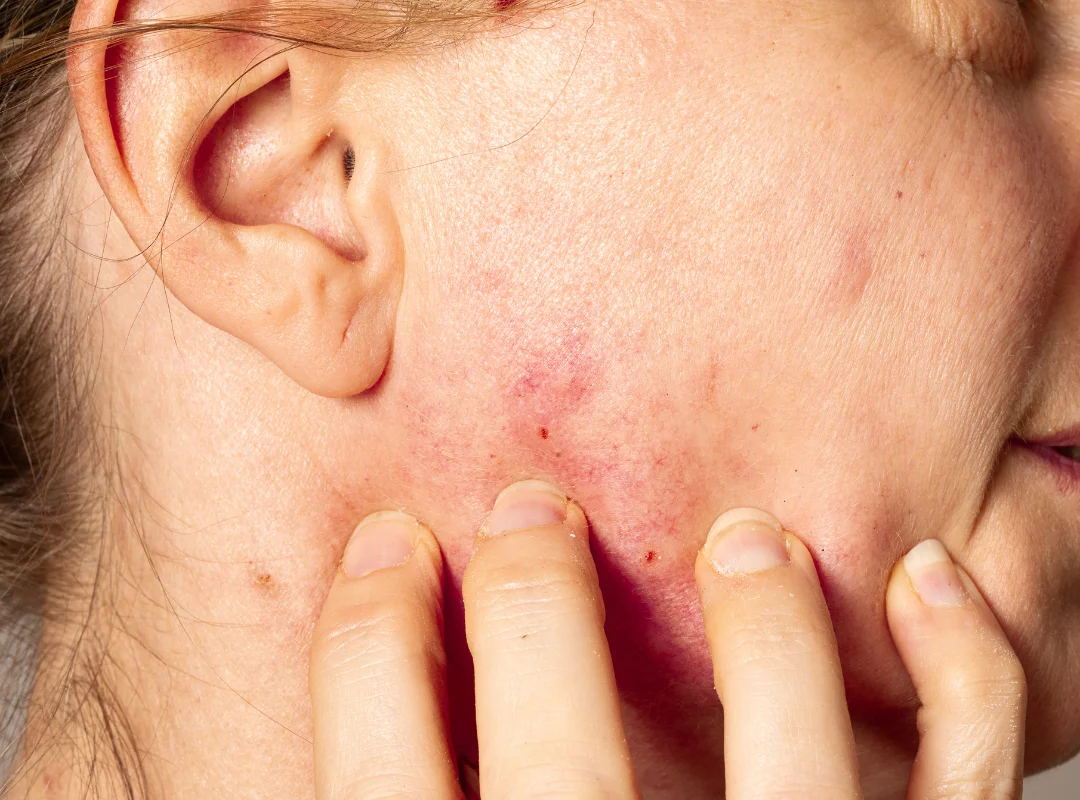
Sensitive skin can be a symptom of various systemic disorders, and researchers have linked sensitive skin syndrome to nerve damage:
- Shingles: The varicella-zoster virus causes burning, stinging pain in a band of skin, often days before the rash appears.
- Diabetes and Obesity: Both increase the risk of nerve damage, which causes burning or tingling sensations in the skin, most often in the feet.
- Fibromyalgia: This condition causes widespread pain and allodynia, and many patients notice symptoms worsen when they are sick.
If skin sensitivity stays after you recover, an underlying condition may be the cause.
How to Soothe Sensitive Skin When Sick
These steps calm sensitive skin while you rest and recover:
- Wear soft, light fabrics. Loose cotton reduces skin discomfort and friction.
- Apply a cold washcloth to soothe sensitive skin on the forehead, neck, or arms.
- Take a tepid shower to reduce body temperature and relieve discomfort. Hot water strips oils and increases redness.
- Drink fluids steadily to replace what fever and sweating remove.
- Use soft, lotion-treated tissues to limit friction around the nose.
- Pause active skincare such as retinoids, acids, and exfoliants until the skin stops stinging.
- After washing, moisturize with a fragrance-free cream to protect the skin barrier.
Once you feel better, IV hydration therapy can help your body catch up on hydration.
When to See a Doctor
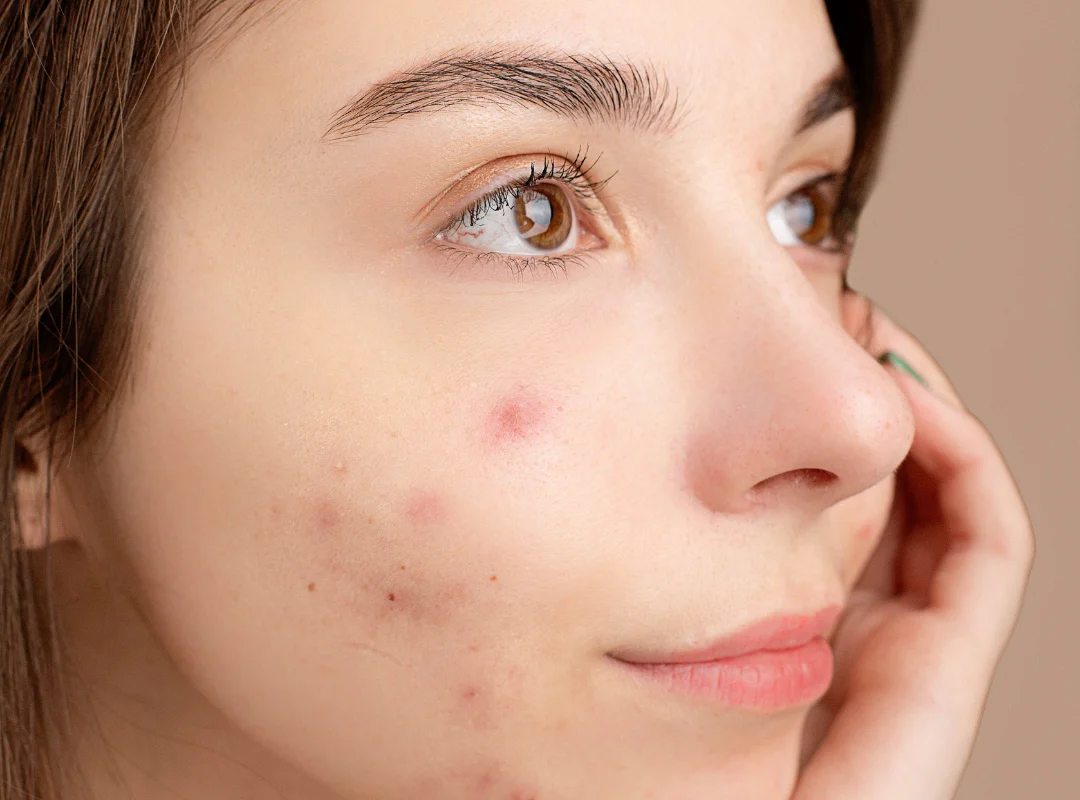
Most sick-day skin sensitivity is temporary, but sensitivity that comes with other symptoms needs a doctor’s evaluation to determine the cause:
- A painful band of skin or blisters on one side of the body: This is a common sign of shingles. Antiviral treatment works best when started within 72 hours of the rash’s onset.
- A rash with fever: This needs a same-day visit. In children, a rash that does not fade when you press a glass against it needs emergency care.
- Burning or numb feet: This can point to nerve damage from diabetes.
- Sensitivity that lasts for weeks: Ongoing pain after recovery may require a diagnosis and possibly nerve pain therapy.
- Worsening symptoms: Skin that blisters, peels, or shows spreading redness after starting a new medication needs immediate care.
Regular dermatology check-ups also catch chronic conditions that make the skin more reactive during each illness.
Skin Care After Illness in Alamo, CA
Skin Artistry Clinic helps patients rebuild skin that stays dry, red, or reactive after an illness. Dr. Faiqa Chaudhry, MD, is a board-certified family medicine physician with over a decade of primary care experience, so she can tell when sensitivity points to an underlying health issue and when it requires only skin care.
For recovery, ask about IV therapy to restore hydration and about medical-grade skincare lines to repair the skin barrier. Call 925-404-4293, visit us at 3189 Danville Blvd, Suite #245, Alamo, CA 94507, or email drfaiqa@skinartistryclinic.com to book.