IPL is safest for Fitzpatrick skin types I to III and can work on type IV with conservative settings, but traditional intense pulsed light is not considered safe for darker skin tones (types V and VI). Darker skin absorbs more IPL light energy, which raises the risk of burns and pigment changes. For hair removal on darker skin, a long-pulsed Nd: YAG laser is the safer option.
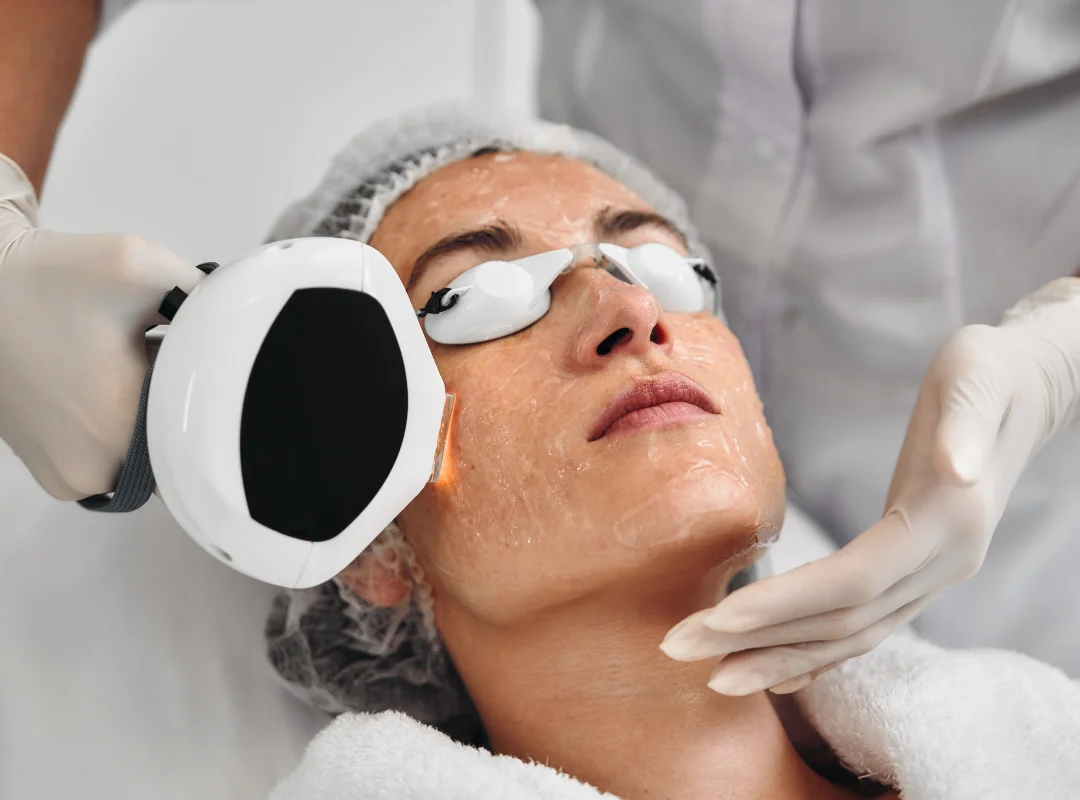
An IPL treatment uses broad-spectrum light, not a single laser wavelength. IPL targets melanin in hair follicles and hemoglobin in blood vessels, and the light turns into heat that damages the target. That is why IPL works on age spots, broken capillaries, facial redness, and unwanted hair. The procedure is noninvasive, and most patients describe each pulse as a quick rubber band snap with only brief discomfort.
The same melanin that makes a brown spot a good target also sits in the skin’s surface. On fair skin, the light passes through to the spot or the hair. On darker skin, the surrounding skin competes for that heat.
The Fitzpatrick scale sorts skin color by how it reacts to the sun, and it decides whether IPL is a right match:
For pigmentary treatments, providers often avoid IPL in Fitzpatrick skin types V–VI because of these risks. Some IPL devices are not appropriate for very dark skin tones at any setting.
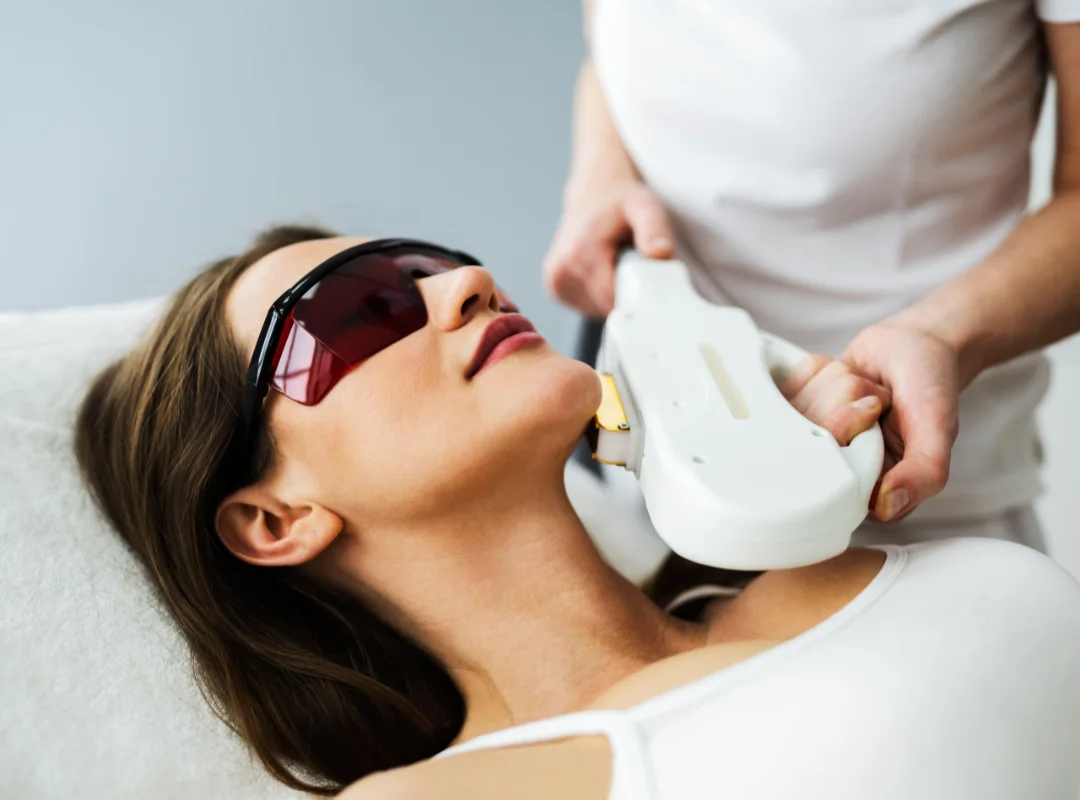
Higher surface melanin in darker skin increases the risk of thermal damage from IPL. The skin absorbs heat meant for the target, and higher energy levels increase injury risk. Common adverse effects of IPL on darker skin include:
These IPL risks explain why patients with Fitzpatrick types V and VI risk pigment complications even from a single session.
IPL works best on dark hair over fair skin, where the contrast lets the light find the hair and skip the skin. It is less effective on lighter hair and darker skin. Lighter hair colors hold too little pigment to absorb the light, and IPL is not effective on white or very light-blonde hair at all. On darker skin, the provider must lower the energy to protect the skin, and that lower energy often cannot destroy the hair.
Long-pulsed Nd: YAG lasers are safer for hair removal on darker skin tones than IPL. Nd: YAG uses a single 1064 nm wavelength that penetrates deeper into the skin and largely bypasses surface melanin. That makes it the standard choice for laser hair removal on brown skin and black skin.
IPL hair removal still suits patients with lighter skin tones and dark hair. For darker skin, effective treatment may require specialized devices and parameters, such as Nd: YAG with longer pulses and built-in cooling. Laser technology targets one wavelength, giving the provider more control than IPL, which spreads energy across a broad range.
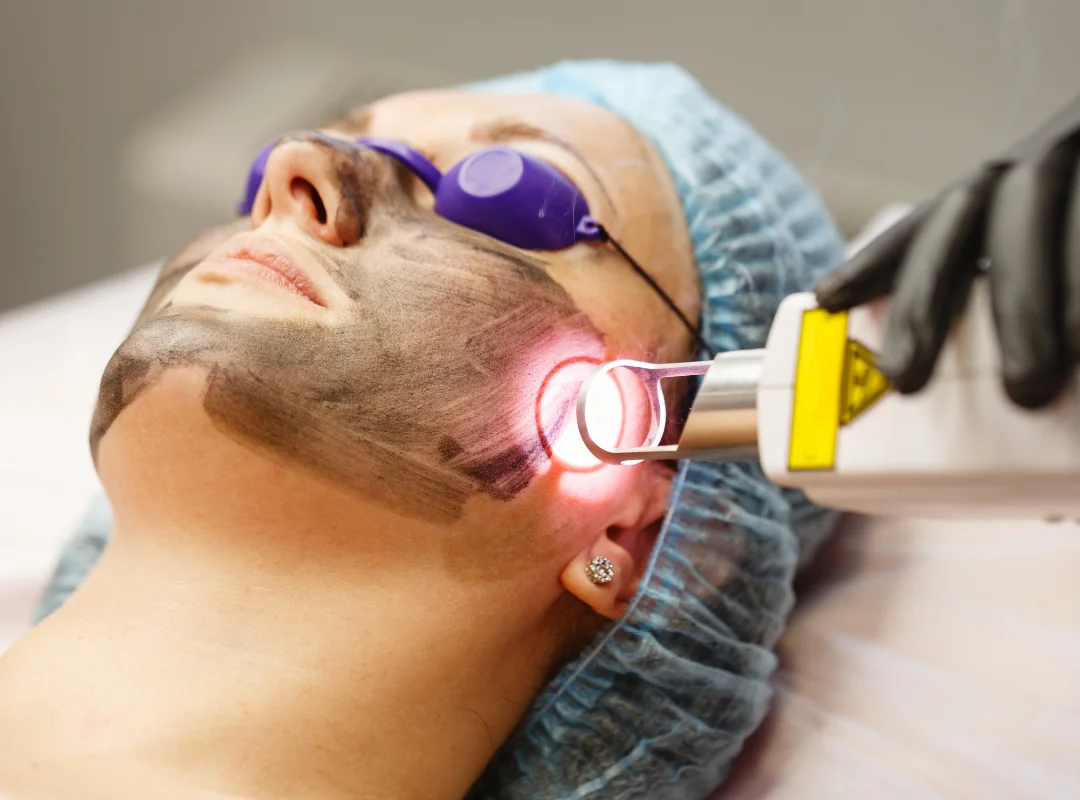
IPL is not the only option, and some concerns need a different treatment entirely:
Darker skin tones face higher risks with IPL treatments, but careful planning lowers that risk for type IV skin.
A dermatologist or qualified physician should assess you before IPL treatment on darker skin. The provider reviews your medical history, rates your Fitzpatrick type, and checks suspicious lesions before treating any pigment. Choosing providers experienced with darker skin improves treatment safety. An experienced practitioner is essential to manage IPL on darker skin.
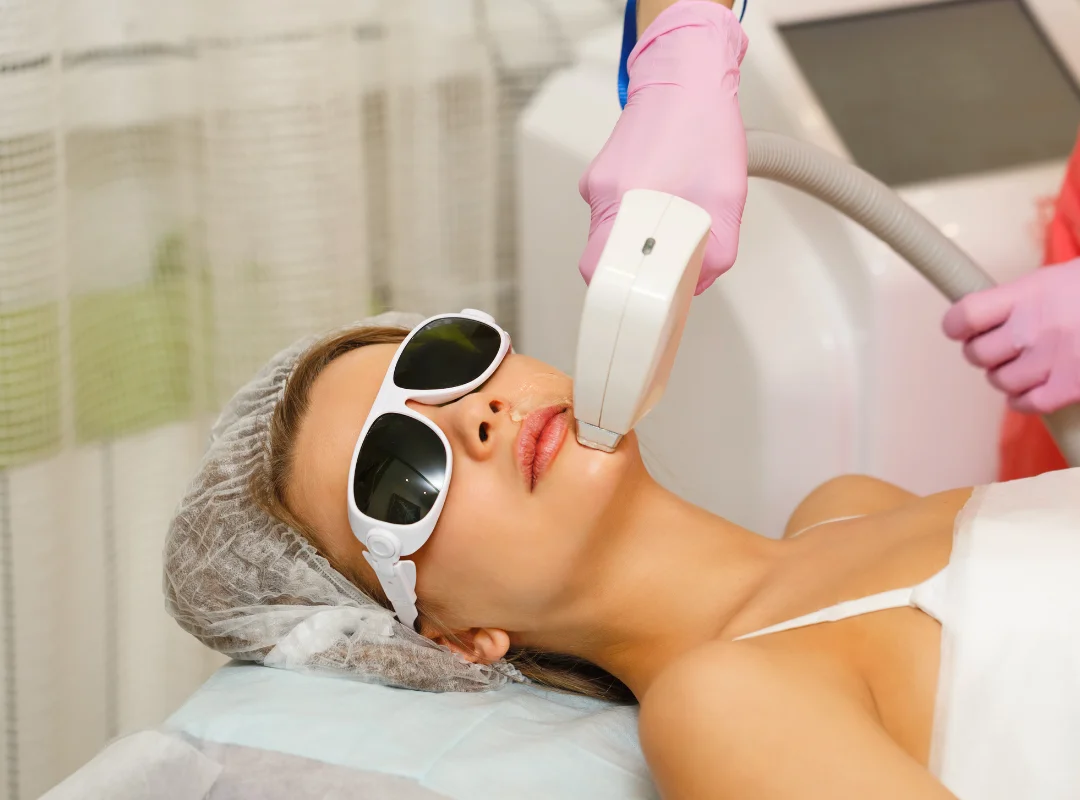
Patch tests are crucial for assessing IPL safety and suitability on darker skin. The provider treats a small hidden area, such as behind the ear, at the planned settings. Then wait several days to check for redness, darkening, or blistering before treating the full area.
Strict sun avoidance is necessary before and after IPL treatment. Using IPL on freshly tanned skin greatly increases the risk of burns and pigment changes. Before your IPL session:
In the East Bay, many patients book IPL between late fall and early spring, when sun exposure is lowest.
Conservative settings and effective cooling are important for IPL safety on darker skin. Your provider should use lower fluence, longer pulses, and a chilled tip, and you should both wear protective eyewear. Post-treatment care includes strict sun protection to prevent hyperpigmentation. Wear a broad-spectrum sunscreen of SPF 30 or higher daily, and expect temporary changes such as mild redness and darkened spots that flake off within a week or two.
IPL treatments typically require 3 to 6 sessions for best results. Many patients see visible results after the first session, but optimal results build as each session clears more pigment or redness. The number of IPL sessions you need depends on the concern and your skin type. Darker skin often needs more sessions at lower energy for the same result.
Skin Artistry Clinic offers IPL photofacials and laser hair removal in Alamo, CA, with a skin-type assessment and patch test before the first treatment. Board-certified physician Dr. Faiqa Chaudhry, MD, reviews your skin, sets your treatment plan, and clearly explains when IPL isn’t the right fit.
For pigment concerns on darker skin, we also offer medical-grade skin peels. Call 925-404-4293, visit us at 3189 Danville Blvd, Suite #245, Alamo, CA 94507, or email drfaiqa@skinartistryclinic.com to book.
A: The long-pulsed 1064 nm Nd: YAG laser is the safest choice for darker skin. Its longer wavelength bypasses most of the melanin in the skin’s surface and reaches hair follicles deeper down, so burn risk stays low.
A: Poor candidates include people with Fitzpatrick type V or VI skin, a fresh tan, melasma, white or light-blonde hair, pregnancy, or photosensitizing medications such as isotretinoin. Suspicious moles also need a medical check first.
A: No IPL device is ideal for deep brown skin. For light-to-medium brown skin (type IV), filtered IPL with longer cutoff filters, longer pulses, and contact cooling is safer, but a patch test should come first.
A: Yes, but the method matters. Q-switched and picosecond lasers break up sun spots and some birthmarks, while melasma often worsens with heat-based lasers and responds better to topical treatment and gentle chemical peels.
A: For hair removal, the Nd: YAG laser is best for dark skin. For dark spots and uneven tone, superficial chemical peels, microneedling, and medical-grade topicals carry less pigment risk than IPL. A patch test confirms the plan.
Please fill in the form below to book an appointment
