
Are Dermal Fillers Right for Everyone?

DERMAL FILLERS
People who are pregnant or breastfeeding, have certain allergies, an active skin infection, uncontrolled medical conditions, or a history that raises the risk of complications may need to avoid or postpone dermal fillers. A medical professional should review your medical history, current health, medications, and treatment area before any injections.
What Are Dermal Fillers?
Dermal fillers are injectable substances used in cosmetic treatments to:
- Add volume
- Reduce the appearance of facial wrinkles
- Change facial contours
Many modern injectable fillers are made from hyaluronic acid, a substance naturally found in the body that can hold moisture and add temporary volume to the skin.
Other types of filler material work differently. Some are considered temporary fillers, while others remain in your body for longer periods or stimulate changes in the skin’s underlying structure. Because the characteristics of each product differ, not every type of filler is suitable for every person or treatment area.
Who Should Not Get Dermal Fillers During Pregnancy or Breastfeeding?
If you are pregnant or breastfeeding, you are generally advised to postpone dermal filler injections. There is limited research on the safety of many cosmetic injectables during pregnancy and breastfeeding, so elective cosmetic procedures are commonly delayed until these periods have ended.
People With Active Skin Infections & Other Infections
If you have active skin infections near the planned treatment area, you should not receive dermal filler injections until the infection has resolved. Conditions such as:
- Infected acne lesions
- Cold sores
- Cellulitis
- Other inflammatory skin problems
All these may increase the risk of complications when the skin barrier is disrupted. Also, the injection site should be examined before treatment. Injecting through infected or significantly inflamed skin may introduce bacteria deeper into the tissue. Infections can become more difficult to manage when a filler has been injected into the surrounding area.
If you frequently experience cold sores, you should also discuss this history before facial treatment. Needle injections around the lips and mouth may trigger a recurrence in some individuals.

People With Certain Allergic Reactions or Allergies
A history of severe allergic reactions may require additional consideration before receiving fillers. Although reactions to modern hyaluronic acid fillers are uncommon, you may react to ingredients within a product or to substances used during the treatment process.
Before your dermal filler procedure, you should disclose known allergies, previous reactions to cosmetic products, medications, anesthetics, or injectable substances.
Some fillers contain additional ingredients, such as lidocaine, which may also be relevant for someone with a known allergy.
If you previously experienced a serious reaction after cosmetic treatments or injections, you should discuss that event in detail with your medical professional before receiving another injectable product.

Medical History Matters Before Filler Treatment
Your medical history can influence the safety of filler treatments.
- Certain autoimmune conditions
- Bleeding disorders
- Immune system concerns
- Chronic illnesses
All these may require medical assessment before treatment.
People taking medications that affect bleeding or blood clotting may have an increased likelihood of bleeding or bruising after injecting dermal fillers. Prescription medications should not be stopped solely for a cosmetic procedure without guidance from the healthcare professional who prescribed them.
When the Treatment Area Is Inflamed
An inflamed injection site may not be appropriate for treatment. Active acne, sunburn, rashes, dermatitis, or unexplained swelling can make it difficult to determine how your skin and underlying tissue will respond.
The goal is to avoid placing additional trauma on already irritated tissue. A delay may be recommended until your skin has returned to a stable condition. This also makes it easier to identify any reaction that occurs after the procedure.
People should avoid assuming that a cosmetic concern must be treated immediately. Filler treatments are elective, and postponing treatment because of temporary skin irritation is generally the safer choice.
People at Risk of Skin Necrosis
Skin necrosis is one of the most serious complications associated with dermal filler injections, which occurs when blood flow to tissue is significantly reduced or blocked. This can happen if filler enters or compresses a blood vessel.
The risk is closely connected to:
- Facial anatomy
- Treatment area
- Type and amount of product used
- Technique used during injection
Also, an improper injection technique can increase the risk of vascular complications.
Some areas of the face contain important blood vessels and require particular caution. If you are receiving facial fillers, you should understand that serious complications, while uncommon, can occur. Unusual skin discoloration, Severe pain, or changes in vision after treatment require immediate medical attention.
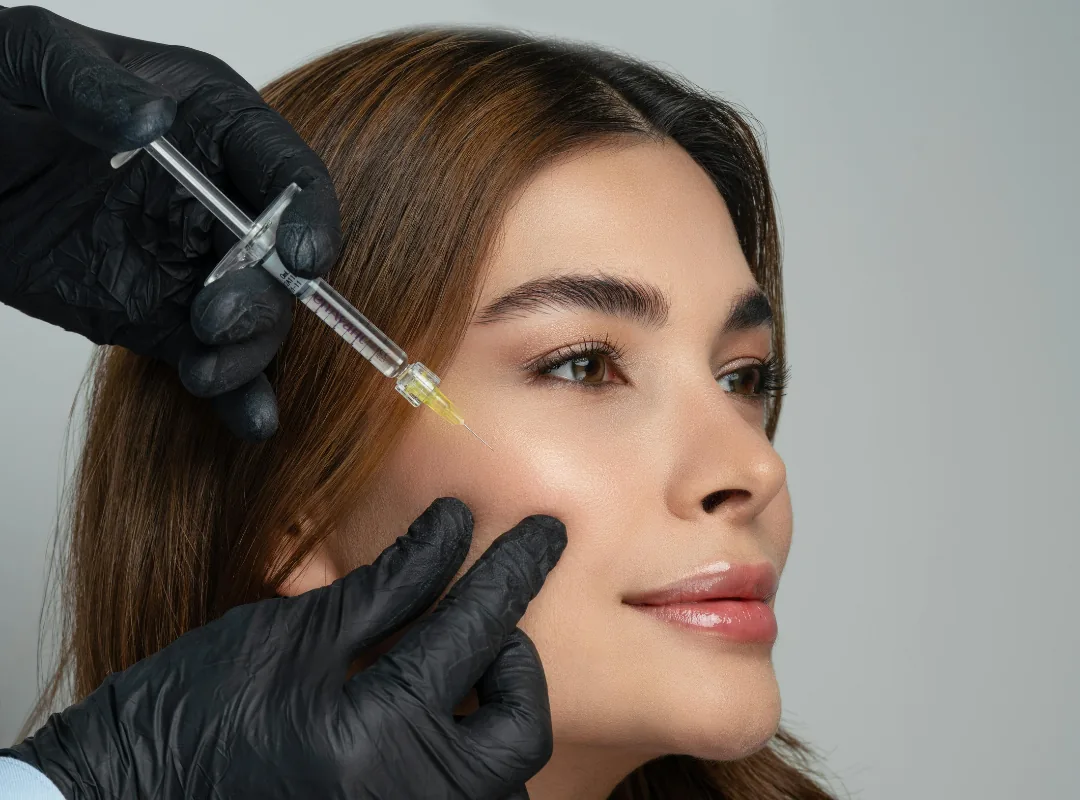
Hyaluronic Acid & Other Types of Fillers
Many people associate fillers with hyaluronic acid, but several materials can be used for cosmetic purposes. Hyaluronic acid fillers are commonly used because they provide temporary volume and can be broken down with a specific enzyme (in many situations).
Other products may contain calcium-based compounds or substances designed to stimulate collagen production. “Poly-L-lactic acid, ” for example, works differently from traditional volume-based fillers and is intended to encourage production of collagen gradually.
A synthetic filler or longer-lasting filler may present different concerns because it may be more difficult to remove or reverse. People should understand what filler material is being used before undergoing a procedure.
Unrealistic Expectations & Cosmetic Procedures
A person may also need to postpone treatment when expectations are unrealistic or when fillers are considered a solution to concerns they cannot address. Injectable dermal fillers can add volume and alter certain contours, but they cannot replace every form of cosmetic surgery.
If you are considering repeated treatments, you should understand the purpose and limitations of the procedure. More cosmetic injectables do not always produce a better result.

What are the Risks of Dermal Filler Injections
Like other cosmetic procedures, fillers can cause temporary:
- Swelling
- Bruising
- Tenderness
- Redness
Less common complications include lumps, infection, uneven results, delayed inflammatory reactions, and vascular complications.
The safety of filler injections is influenced by your facial anatomy, the product, treatment area, and the skill and training of the person performing the procedure. Even commonly used temporary fillers can cause complications.
Conclusion
You should not get dermal fillers if you have active skin infections, certain allergies or previous allergic reactions, pregnancy or breastfeeding, and medical circumstances that may increase the risk of complications.
People with relevant concerns in their medical history should discuss them before receiving dermal filler injections. Always knowing the type of filler material, possible complications, and limitations of treatment is an important part of making an informed decision about injectable fillers and other cosmetic treatments.
Call Skin Artistry Clinic for Dermal Fillers & More
Skin Artistry Clinic offers SKINVIVE™ BY JUVÉDERM®, Microneedling with PRP “Vampire Facial,” Medical Grade Skin Peels, Medical Grade Skin Care Lines.
We also offer Fillers, Hydrafacial, and IV Therapy. Call us at +1 925-404-4293 to learn more about these available services and discuss which cosmetic or wellness services may be appropriate for your needs.
Frequently Asked Questions
How risky are dermal fillers?
Most treatments have temporary side effects such as swelling and bruising, but serious complications such as vascular blockage and infection can occur.
What is the safest filler?
There is no single filler that is safest for every person, but hyaluronic acid fillers are commonly used and can often be dissolved if necessary.
Do fillers age you over time?
Fillers do not automatically age the face, but excessive or repeated treatment can change facial proportions and appearance.
What is the best age to get fillers?
There is no single best age. Treatment decisions should be based on individual facial concerns, health, and treatment goals rather than age alone.
What is the riskiest place for fillers?
Areas with complex blood vessel networks, including parts of the nose and central face, can carry a higher risk of serious vascular complications.