
Injectable Types and Their Uses in Aesthetic Treatments
If you’re exploring non-surgical treatments at a med spa, you’ve probably encountered the phrase injectable types and their uses. These treatments are growing in popularity because they’re quick and often require little to no downtime. However, not all injectables work the same way. Understanding the types of injections and their role in aesthetic care can help you feel more confident before your appointment. Let’s break it all down in simple terms.
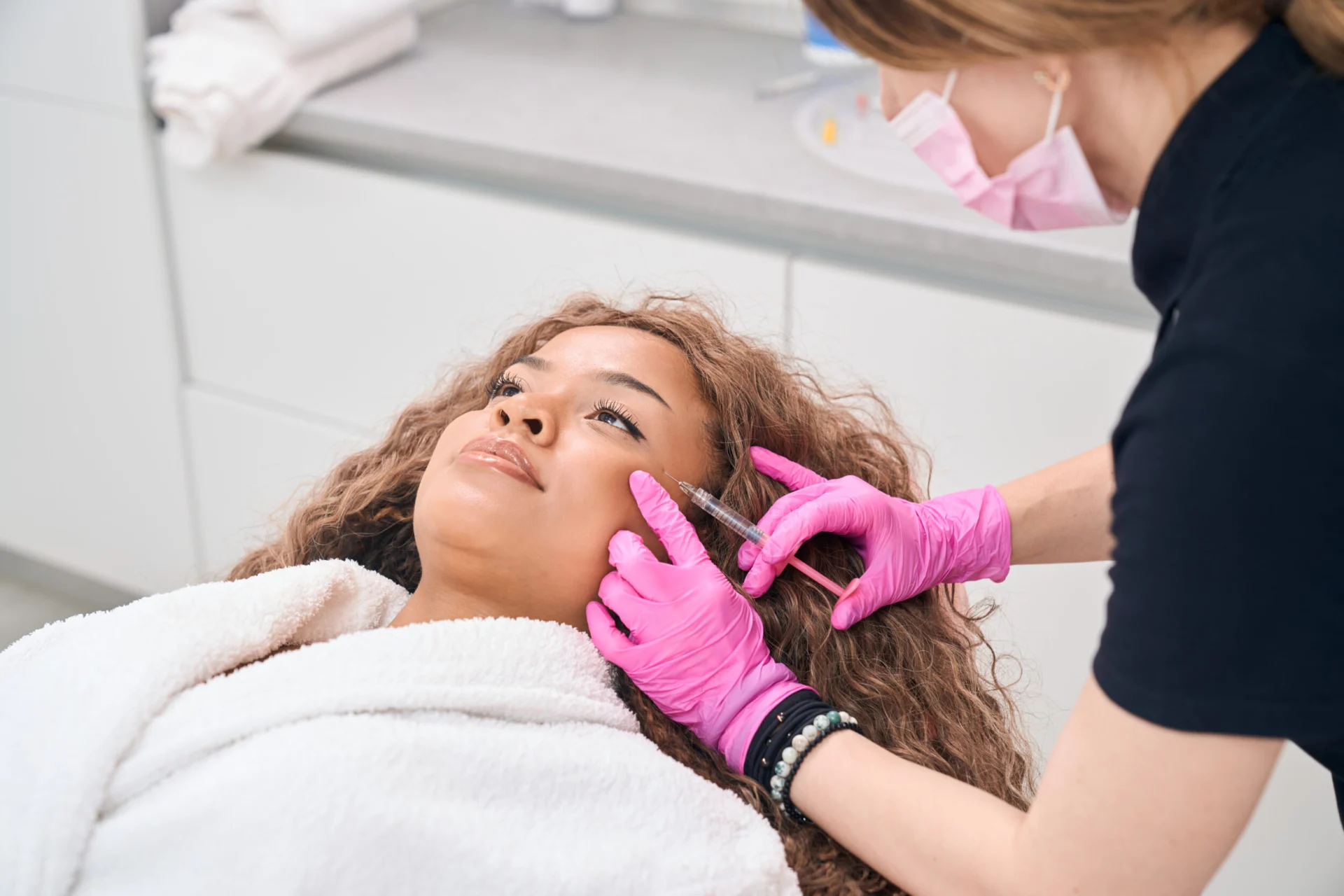

Injectable Types & Their Uses in Aesthetic Medicine
Med spas use different injectable drugs for different results. For example, Botox relaxes your muscles. Fillers add volume. Some injectables even boost hydration or improve the tone of your skin. Each type has a different medication administration route, which means the way it’s delivered into the body.
The choice depends on the product and what you want it to do. This is why aestheticians are trained in proper injection techniques and how to perform injections safely.
Subcutaneous Injections: Into the Layer Beneath Your Skin
Subcutaneous injections are delivered into the subcutaneous tissue, the fat layer beneath the skin, also known as subcutaneous fat.
Why here? This area absorbs injectable treatments slowly, which is perfect for certain medications and treatments that need gradual release. For example, this method is sometimes used in aesthetics for biostimulation. It’s also commonly used in medical settings for hormones or vitamins.

Popular injection sites for subcutaneous delivery include the thigh, upper arm, or abdomen. These spots have a subcutaneous fat layer and fewer blood vessels, making it easier to inject without complications.
If you’re wondering how Skinvive™ stacks up against Botox, you can learn more in our blog: Is skinvive™ better than Botox?
Intramuscular Injections: Deeper & Faster Acting
Intramuscular injections—often referred to as IM injections—go deeper than subcutaneous ones. They’re delivered directly into the muscle, which has a rich blood supply. This means the medication gets absorbed fast.
Aesthetic professionals might use this route when fast results are needed, or when the substance needs deeper penetration. Think of certain vitamins, or treatments used to support energy levels or metabolism.
The upper arm and gluteal muscles are common proper injection sites for this injection technique.
Not sure when it’s safe to book your next facial after injections? We break it down into how long after Botox can you get a facial? So you know what to expect.
Intradermal Injections: Just Below the Surface
Intradermal injections go into the dermis, the second layer of the skin. This is the go-to method for very surface-level treatments. In a med spa setting, these are sometimes used for microdosing treatments or skin testing. It can also be used in mesotherapy—tiny injections used to rejuvenate the skin.
Because it’s closer to the surface, the injection techniques here are delicate and need extra precision. Skilled aesthetic providers are trained to keep patient safety front and center during this process.
Intravenous Injection: Direct to the Bloodstream
Intravenous injection involves injecting directly into your vein. This route delivers the product right into your bloodstream, giving you almost immediate results.
At med spas, this method is popular for IV therapy—like detox blends, hydration, and vitamin drips. Why? Because intravenous access allows your body to absorb nutrients fully without relying on digestion.
Because this method involves working directly with blood vessels, it requires experienced and trained medical personnel and sterile equipment. Injections must be performed carefully to maintain patient safety, especially if you have the patient has high blood pressure or is taking blood thinners.
Intraosseous Injection: Rare But Critical
An intraosseous injection delivers medication directly into the bone marrow. This method is used in emergency medicine when time is critical, and veins are hard to find.
While it’s not part of routine med spa services, knowing all injectable types and their uses helps you understand how medical training translates to aesthetic care. Professionals trained in
Emergency injection techniques often bring that same level of skill to aesthetic services.
Why Proper Injection Sites Matter
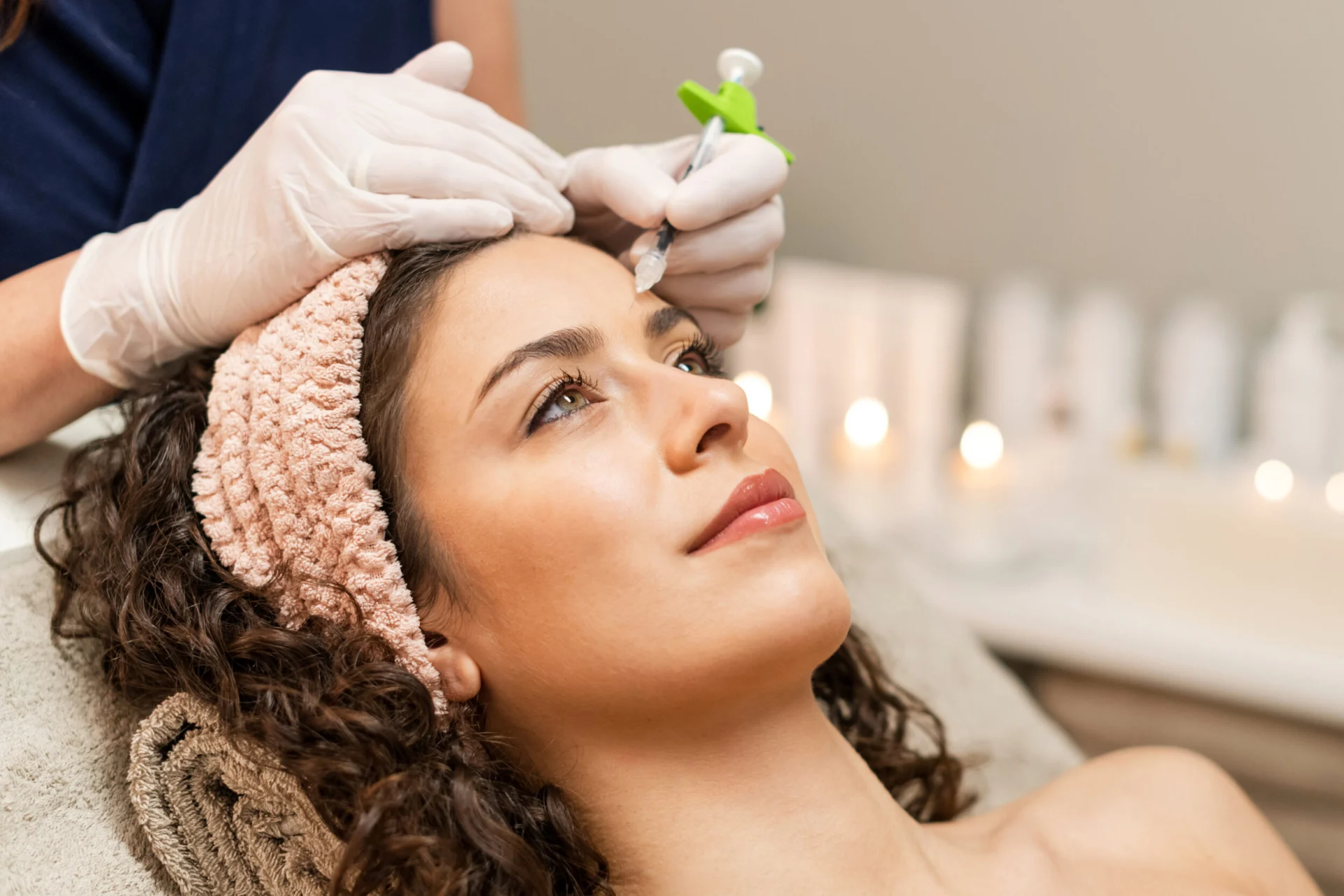
Knowing the proper injection sites for different treatments is the real deal to both results and comfort. For example, injectables like Botox are often given in facial muscles using fine injection techniques. Fillers on the other hand are placed into body tissue with more precision to add volume.
If the site isn’t chosen correctly—or the angle is wrong—it could lead to swelling, bruising, or uneven results. This is why you want your injections administered by a licensed aesthetic physician or medical aesthetician.

Injection Techniques Matter Just as Much
How you inject is just as important as where. Some injections are delivered slowly. Others require a slight quick push. Some need a needle, while others are delivered using cannulas. The angle, depth, speed all matter.
A proper injection technique can make a huge difference in the final results. And it helps minimize pain, bruising.
Things to Consider Before Getting Injectables
Before you book an appointment with a cosmetic physician or aesthetic physician, here are a few things to think about:
- Let your provider know if you’re on blood thinners.
- Share any history of blood pressure or blood circulatory issues.
- Mention allergies and sensitivities.
- Talk about past experiences with injectable drugs.
Also, if you’re nervous about needles, don’t worry. Many clients are! A good healthcare professional will walk you through the process, talk about injection techniques, and help you feel relaxed.
Wondering if microneedling could affect aging? Find out the truth in our blog: Does microneedling speed up aging?
How Injectable Types & Their Uses Impact Results
Want more volume? Smoother skin? Better glow? Each goal has an ideal injectable.
Botox, for example, is generally delivered with a small needle into targeted muscles. Fillers, on the other hand, go deeper to restore lost volume. Vitamin shots may be intramuscular injections or subcutaneous injections, depending on what they are.
Meanwhile, treatments like IV drips use intravenous injection for instant hydration. Choosing the right medication administration route depends on your skin, the products, your goals, and judgment of your provider.
Patient Safety is Always the Top Priority
Patient safety comes first—always. Staff members in med spa clinics are trained to perform injections safely, understand proper injection sites, and work with different types of injectable drugs. They also follow strict hygiene and medical protocols, so you can relax knowing you’re in skilled hands.
Final Thoughts
There’s a lot more to injectables than just sticking a needle in your skin. From subcutaneous tissue to intravenous access, the world of med spa treatments is grounded in science and precision. By learning about the different injectable types and their uses, you’re one step closer to getting the results you want.
Love the Skin You’re In: Treatments at Skin Artistry Clinic
Ready to feel more confident in your skin? Book your injectable treatment at the Skin Artistry Clinic today. We offer Botox® and Dysport®, Skinvive™ by Juvéderm®, and Kybella. Want to bring back lost volume? Our fillers can help with that. And if you’re noticing hair thinning, our PRP hair rejuvenation can support natural growth. You can also try microneedling with PRP for fresh, glowing skin.
Not into injections? No problem. We’ve got great options that don’t involve needles—like medical-grade skincare, IPL photo facials, longevity medicine, RF microneedling, and the ultra-hydrating Hydrafacial.
You’ll find us in Alamo, California, just a short drive from Danville, Walnut Creek, Lafayette, San Ramon, and nearby areas. Give us a call—we’d love to help you shine.