
Platelet-rich plasma therapy uses a patient’s blood to stimulate tissue repair, collagen production, and cell growth in the treated area. During PRP injections, platelets are carefully activated to release natural growth factors. This process promotes hair restoration, skin rejuvenation, and relief from joint pain.
Patients often notice that small changes in lifestyle, like caffeine intake, can significantly affect platelet function and optimal healing.
Caffeine stimulates the central nervous system, increases blood pressure, and can reduce blood flow. It may also mildly inhibit platelet aggregation, which is critical in PRP therapy. If caffeine consumption occurs too close to your PRP session, it may potentially hinder tissue regeneration and slow growth factor release.
For patients in Danville, avoiding caffeine during the treatment period ensures that platelets work efficiently and tissue repair proceeds as expected.
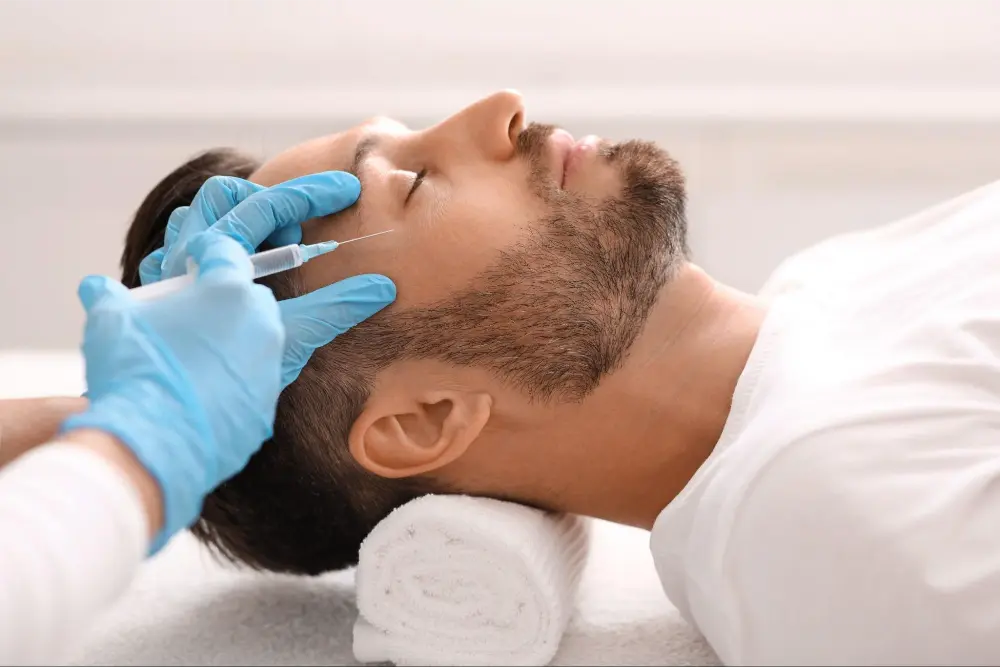
Specialists recommend stopping caffeine at least 24 hours before PRP injections. This includes coffee, energy drinks, and strong teas. Caffeine can reduce blood flow and affect platelet activation, limiting cell growth and tissue regeneration.
Many Walnut Creek patients replace coffee with herbal teas or decaf coffee to maintain energy while keeping their blood components at peak performance. This helps create the best healing environment for your injection site.
After your PRP session, it’s crucial to avoid caffeine for 24–48 hours. Drinking caffeine too soon can:
Patients in Alamo who follow these guidelines maximize growth factor release and support tissue regeneration. Gradually resume caffeine only once your provider confirms your PRP recovery is on track.
Avoiding caffeine is just one part of recovery. A balanced diet supports platelet activity, stem cell function, and cell growth. Focus on:
Patients in the San Francisco Bay Area who combine an appropriate diet with PRP therapy experience improved hair restoration, skin rejuvenation, and joint pain relief.
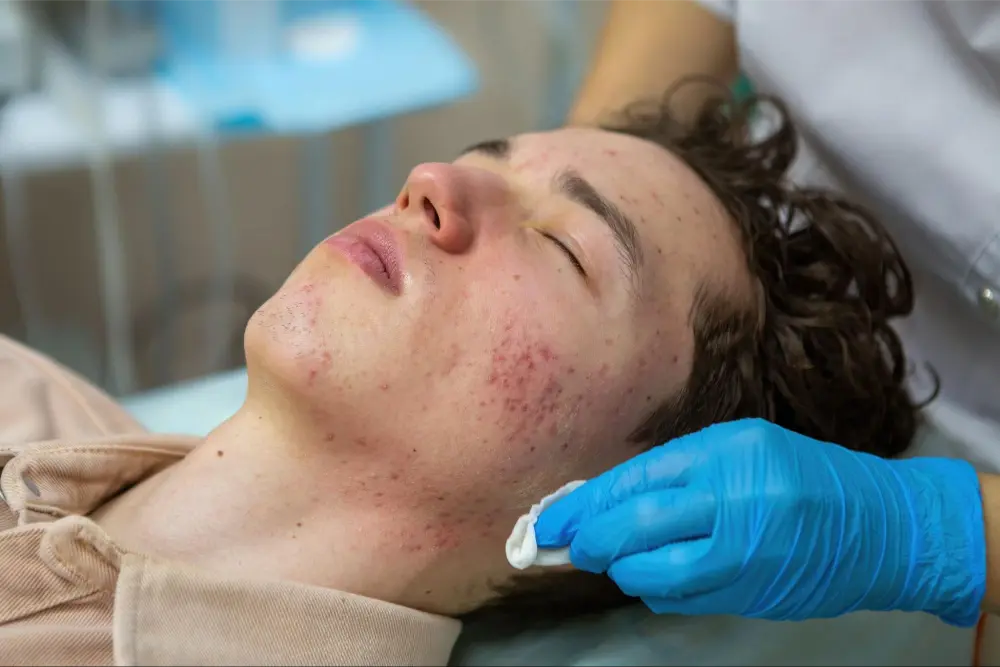
Other factors can affect your PRP recovery:
Following these tips can maximize the release of growth factors, stimulate tissue regeneration, and enhance the body’s natural healing capabilities.
For hair restoration, platelets are injected into the scalp to release endogenous growth factors, thereby supporting hair thickness and growth.
Even mild caffeine intake too soon can reduce blood flow and interfere with platelet activation. Patients in Walnut Creek who adhere to a caffeine-free period often see better hair restoration results.
Patients seeking skin rejuvenation with platelet-rich plasma therapy should also avoid caffeine in the hours before treatment. Caffeine can reduce blood flow and platelet activity, slowing tissue repair and collagen production.
Following a caffeine-free window supports PRP injections in reducing signs of aging and improving skin texture.
If avoiding caffeine is challenging, consider:
These options support your healing environment without interfering with platelet function or growth factor release.
So, can you have caffeine before or after PRP? The simple answer: not too close to your PRP session. Caffeine affects blood flow, platelet activation, and growth factor release, all of which are critical for tissue repair, hair growth, skin rejuvenation, and optimal healing. Once your provider confirms recovery is on track, you can enjoy your coffee again.

The team at Skin Artistry Clinic provides clear guidance on pre- and post-treatment care to maximize the effectiveness of platelet-rich plasma therapy for hair restoration, skin rejuvenation, and scar improvement.
PRP sessions are often complemented by services such as SkinVive, dermal fillers, microneedling, and laser treatments to support overall skin and hair health.
Schedule your consultation with our expert Dr Faiqa Chaudhry, MD, and get professional guidance to ensure your PRP treatment delivers the best results possible.
For patients in Alamo, Danville, Walnut Creek, and the San Francisco Bay Area, questions about PRP therapy and caffeine are common. Here are five helpful answers:
A: Yes. Drinking caffeine too soon can reduce blood flow and platelet activation, slowing hair growth and follicle repair.
Please fill in the form below to book an appointment
