

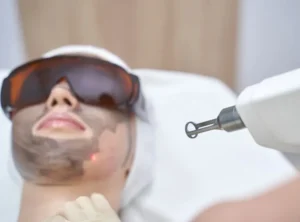


If you’ve tried everything from diet to exercise and still notice a stubborn chin that just won’t go away, you’re not alone. The chin area is one of the hardest spots to tone because it holds on to submental fat. It’s that small pocket of stubborn fat deposits that can make your jawline less defined. Fortunately, modern non-surgical treatments like Kybella and Ultherapy offer safe ways to improve your facial profile. But how do these treatments actually work, and which one is right for you? We’ll break down everything you need to know about the stubborn chin area, Kybella vs Ultherapy. So keep reading to discover which option could be your best match.
Understanding the Double Chin Dilemma
A double chin appears due to weight gain, aging, or genetics. The skin around the chin and neck can start to loosen, and fat cells tend to store fat in this area. Over time, this leads to sagging skin, loose skin, and a less defined jawline. That small layer of excess fat under the chin can be difficult to get rid of, even if you’ve reduced body weight.
This is where targeted cosmetic procedures come in. Treatments like Kybella and Ultherapy don’t rely on exercise or diet. Instead, they use the body’s own healing and natural processes to reduce fat and tighten skin in a controlled, medical setting.
What Is Kybella?
Kybella is an injectable treatment specifically designed for double chin reduction. Its active ingredient, deoxycholic acid, mimics a substance your body naturally produces to destroy fat cells. Once these cells are broken down, your body naturally metabolizes the excess fat cells, resulting in a more contoured chin and jawline.
Kybella treatment involves a series of small Kybella injections in the chin area. A numbing cream is usually applied beforehand to make the process comfortable. Your body eliminates the destroyed fat cells over the following weeks, producing gradual and natural-looking results. Once those fat cells are gone, they don’t come back. That means Kybella offers a permanent reduction in chin fat, as long as you maintain a stable weight.
How Ultherapy Works
Ultherapy treatment takes a different approach. It doesn’t target fat reduction directly—it focuses on skin tightening. This non-invasive treatment uses ultrasound waves to penetrate deep layers of the skin, delivering controlled ultrasound energy that stimulates collagen production.
Collagen is a protein responsible for maintaining the firmness and elasticity of your skin. As we age, collagen levels decrease, resulting in skin laxity and wrinkles. Ultherapy helps lift and tighten skin from within. No needles, no incisions. It’s often considered a “lunchtime lift” because there’s minimal recovery time and no need for anesthesia.
Key Differences Between Kybella & Ultherapy
When comparing Kybella vs Ultherapy, it’s essential to understand what each treatment addresses.
- Kybella focuses on fat reduction by permanently eliminating excess fat cells under the chin.
- Ultherapy, on the other hand, focuses on skin tightening by using ultrasound energy to stimulate collagen and lift loose skin.
If your concern is submental fat or a visible double chin, Kybella is the better option. But if you’re struggling with skin laxity or sagging skin, Ultherapy will give you a smoother, firmer appearance. You can also choose a combination therapy. In a combination therapy, both treatments are used to target stubborn fat and loose skin together for more optimal results.
What to Expect During Treatment
For Kybella, your provider will map out the chin area and carefully inject deoxycholic acid into the fat layer. The entire session usually takes about 20 to 30 minutes. Some patients need two or more treatment sessions for the best outcome, depending on the amount of excess fat present.
For Ultherapy, the practitioner applies a gel to the treatment area and moves a device that emits ultrasound waves beneath the skin’s surface. The Ultherapy treatment typically lasts 45 to 60 minutes. Most patients need just one treatment, although some may choose an additional session to maintain results over time.
Procedure Safety & Effectiveness
Both Kybella and Ultherapy are FDA-approved non-surgical options for improving the appearance of the chin area.
- Kybella has been proven to safely and permanently destroy fat cells.
- Ultherapy is a trusted treatment that utilizes ultrasound energy to naturally tighten the skin and stimulate collagen, with a minimal recovery period.
Most patients report significant improvement in their overall facial structure, including a more defined jawline and smoother neck contour. These beauty treatments are ideal for people with good skin elasticity who prefer non-surgical procedures.
Who Is a Good Candidate?
You might be a good candidate for Kybella or Ultherapy if you have mild to moderate submental fullness, loose skin, or stubborn fat deposits that don’t respond to diet or exercise.
- Choose Kybella if you want to reduce submental fat and achieve long-term fat reduction.
- Choose Ultherapy if your goal is tighter skin and improved elasticity.
If you’ve recently lost weight but still notice excess skin or slight submental fat, your clinic might suggest a combination therapy to tackle both concerns at once. But if you have gained weight, your doctor may discuss surgical options as a more suitable route.
Comparing Recovery Time & Results
One of the biggest advantages of non-invasive treatments like these is the minimal recovery time. You may notice swelling for a few days after your Kybella session. This happens as your body processes the destroyed fat cells. The swelling subsides gradually, revealing a slimmer, more sculpted chin.
With Ultherapy, there’s no downtime. You can return to your normal routine right away, although you may notice slight tenderness or mild redness in the treated area. Over the next few months, as new collagen forms, your skin continues to lift and tighten naturally.
Which Is the Best Treatment for You? Kybella or Ultherapy?
The choice between Kybella and Ultherapy depends on your specific needs and desired outcome. If your concern is chin fat or stubborn fat deposits, Kybella offers a permanent reduction in fat cells. If you’re more concerned about skin laxity, Ultherapy can help you achieve tighter, more firm skin.
You should also consider your timeline and comfort level. Kybella typically involves mild swelling for a few days after each session, while Ultherapy has little to no downtime. If you want visible contouring within a few months and don’t mind a gradual fat reduction, Kybella may be a suitable option for you. But if your goal is subtle skin tightening with minimal recovery, Ultherapy could be the better route.
Final Thoughts
Ultimately, when it comes to the stubborn chin area, the best treatment is about identifying which concerns you want to correct first and how quickly you want to see changes. A qualified aesthetician can assess your facial structure and amount of submental fat to customize a plan. Kybella and Ultherapy are both FDA-approved and non-surgical treatments that address different aspects of the same concern. Which means they’re a safe bet. These cosmetic procedures can help you regain confidence in your overall facial structure.
Kybella or Ultherapy? Find Your Perfect Chin Fix
Tired of that stubborn chin area that won’t budge no matter what you try? Skin Artistry Clinic, under the expert care of Dr. Faiqa Chaudhry, offers Kybella and Ultherapy. Two cutting-edge treatments designed to refine and redefine your jawline. We assess your unique needs to recommend the best solution, or a combination of both. And to improve your results, we also offer RF microneedling and HydraFacial treatments to tone and refresh your skin.
Take the first step toward a sculpted profile. Contact us to schedule your Kybella or Ultherapy consultation with Dr. Faiqa Chaudhry at the Skin Artistry Clinic today!