
Can You Get Microneedling While Pregnant?
Microneedling is praised as one of the safest and most effective cosmetic treatments for skin rejuvenation. It’s a minimally invasive procedure that helps improve skin texture, reduce acne scars, and fade stretch marks. Its minimal downtime and natural results make it a go-to choice compared to other skin treatments like chemical peels or injectables. But here’s the big question: Can you get microneedling while pregnant? Pregnancy changes everything about your body, including how it reacts to cosmetic procedures. If you’re pregnant and thinking about microneedling treatment, you need professional guidance to ensure safety for both you and your baby. This blog will break down what’s safe, what’s risky, and what to consider before booking your next appointment.
How Microneedling Works & Why It’s So Popular
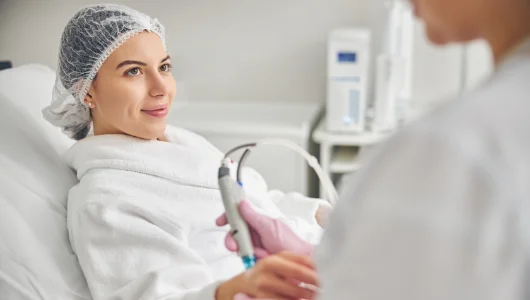
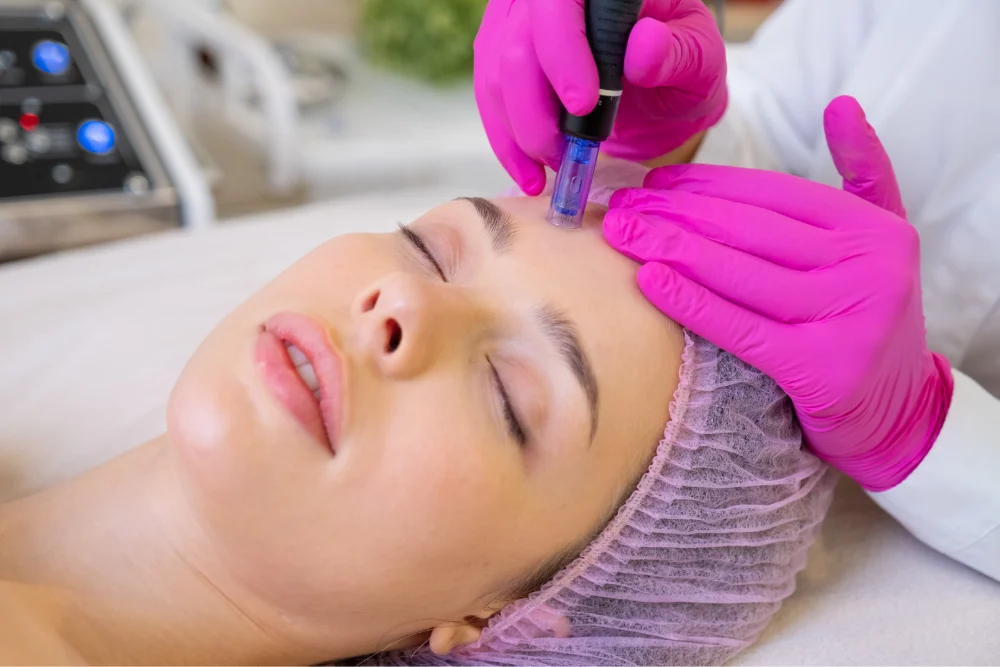
Microneedling, also known as skin needling, involves using fine needles to create tiny punctures on the skin’s surface. These micro-injuries stimulate the body’s natural healing process, boosting collagen and elastin production. This process helps smooth fine lines, improve uneven skin tone, and reduce pigmentation issues caused by acne or aging.
For many, microneedling is a popular skincare treatment because it offers visible results without the long recovery periods linked with more invasive procedures. Under normal circumstances, microneedling is generally considered safe. Especially if trained professionals perform it. But pregnancy introduces new factors that complicate the procedure.
Pregnancy Changes The Body's Biology
During pregnancy, your body experiences hormonal fluctuations that affect your skin’s condition and sensitivity. Increased skin sensitivity and delayed wound healing are common due to these hormonal shifts. The skin may also react differently to treatments that it previously tolerated well.
Pregnant women often experience changes such as pigmentation issues, acne, or stretch marks, which naturally make microneedling sound appealing. Since pregnancy alters the skin’s healing ability and increases the risk of adverse reactions, dermatologists usually recommend avoiding microneedling during pregnancy.
The treatment itself is minimally invasive, but it still involves tiny needles puncturing the skin. This can open the door to infection or allergic reaction from topical treatments used during or after the procedure. Even though microneedling doesn’t use harsh chemicals or injections, the body’s response during pregnancy can be unpredictable.
Potential Risks Associated with Microneedling In Pregnancy
Pregnancy is a serious matter. Even a generally safe procedure can introduce new risks as your body changes. The following are the main concerns experts raise when it comes to microneedling while pregnant:
- Fetal Health Concerns: While there’s limited direct evidence linking microneedling to risks for fetal health, doctors prefer to avoid any procedure that could lead to complications.
- Increased Skin Sensitivity: Hormonal changes can make your skin more reactive. What once felt like mild tingling might now feel painful or cause redness that lingers longer than expected.
- Delayed Wound Healing: Pregnancy can slow down your body’s natural healing process, making it harder for the tiny punctures created by microneedling to close quickly.
- Possible Infections: Since the skin barrier is temporarily compromised, there’s a small but real risk of infection. Pregnant women are more vulnerable to complications due to immune system changes.
- Allergic Reactions: Skincare products or topical treatments like hyaluronic acid or salicylic acid used during recovery may trigger irritation or an allergic reaction.
Given these potential outcomes, it’s easy to see why dermatologists advise postponing microneedling until post-pregnancy or after breastfeeding.
Safe Alternatives for Pregnancy Skincare
The good news is you don’t have to give up on glowing skin during pregnancy. There are pregnancy-safe options that can help you maintain skin health while avoiding unnecessary risks.
- Gentle Exfoliation: Instead of microneedling, try light scrubs or enzyme-based exfoliants that encourage skin rejuvenation without irritation.
- Hydrating Treatments: Focus on skincare products rich in hyaluronic acid, which helps lock in moisture and improve elasticity without harming the baby.
- Topical Vitamin C: It’s an excellent choice for brightening uneven skin tone and improving overall skin texture.
- Regular Moisturizing: Helps maintain a strong skin barrier and reduces stretch marks caused by hormonal changes.
All these alternatives support your body’s natural healing process without using tiny needles or micro-punctures.
Post-Pregnancy Plan: When to Consider Microneedling Again
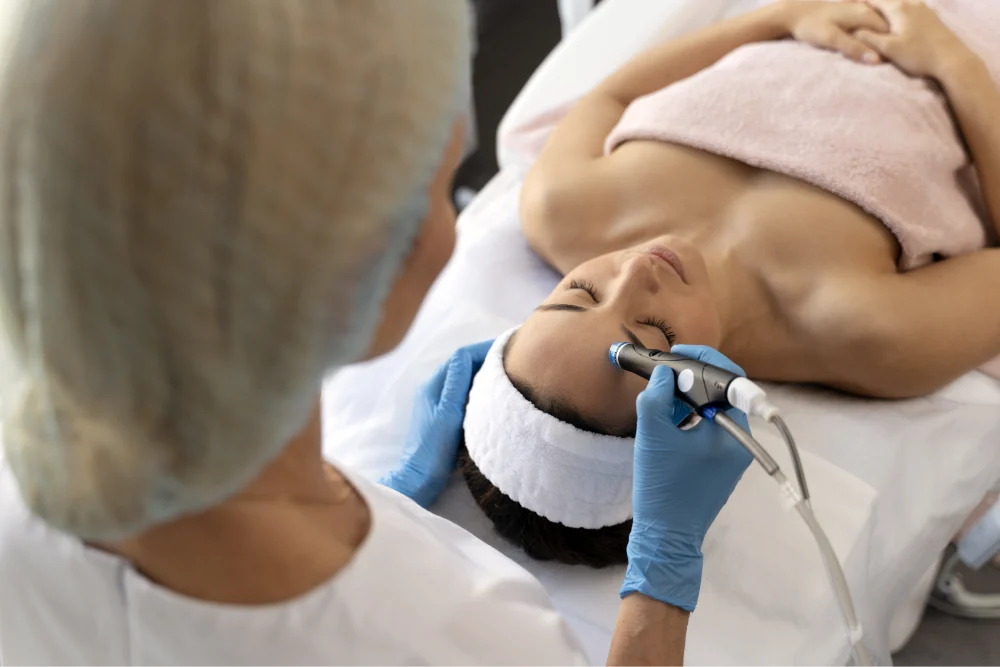
After pregnancy, many women notice acne scars, wrinkles, or pigmentation issues that they want to address. Once your doctor gives the green light, microneedling treatment can safely become part of your treatment plan.
Breastfeeding mothers should still wait until their hormones stabilize and skin sensitivity returns to normal. Once your body regains balance, microneedling can help restore collagen production, smooth fine lines, and improve skin texture that may have changed during pregnancy.
Many lactating women choose to start microneedling about six months after giving birth, depending on their recovery and hormonal balance. Always discuss your options with a dermatologist or aesthetic specialist who understands the risks associated with post-pregnancy skin.
The Role of Professional Advice and Expert Guidance
Pregnancy isn’t the time to experiment with your skin. Even though microneedling is a popular and generally safe treatment, every pregnancy is different. Expert guidance ensures that your treatment plan aligns with your body’s current condition and health priorities.
Skipping professional consultation might save time, but it can open the door to unnecessary complications. Certified dermatologists and medical aestheticians evaluate your skin concerns, medical history, and hormonal status before recommending any cosmetic procedures. They can suggest pregnancy-safe alternatives or advise you on the right time to resume microneedling once your healing process normalizes.

A Take on PRP & Other Add-On Procedures
Some clinics offer microneedling with platelet-rich plasma (PRP), a technique that uses your own blood to accelerate the production of new collagen and elastin. While PRP is generally safe for non-pregnant individuals, it’s not recommended during pregnancy due to limited research on fetal health and potential risks.
Similarly, other cosmetic procedures like chemical peels or injectable treatments should also wait until after childbirth. The safest path during pregnancy is to focus on maintaining skin health through gentle, non-invasive methods and professional supervision.
Prioritize Safety & Choose Professional Care
Your skin goes through a lot during pregnancy. It experiences hormonal fluctuations, increased sensitivity, and changes in collagen levels. There’s no doubt microneedling offers many benefits, but it’s best to put it on pause until your body returns to balance. The question of “Can you get microneedling while pregnant?” depends on professional advice, your health, and skin condition. If glowing, smooth skin is your goal, you can achieve it safely under expert care. It’s advisable not to take chances with your skin or your baby’s safety. Let a trusted expert customize a safe and effective treatment plan.
Pregnant & Curious About Microneedling? Read Bellow!
If you’ve been asking yourself, “Can you get microneedling while pregnant?”, you’ve come to the right place. We understand that pregnancy brings many changes to your skin and your confidence. That’s why Dr. Faiqa Chaudhary, at the Skin Artistry Clinic, personally takes the time to guide expectant mothers with compassion and medical expertise for beauty treatments that are safe and effective for this unique stage of life.
You can explore alternatives such as hydrating facials, light chemical peels, or custom skincare regimens designed to work safely with your changing hormones. Pregnancy doesn’t mean putting your skin goals on hold. Book your consultation with Dr. Faiqa Chaudhary today, and let her create a personalized plan to keep your skin healthy, radiant, and pregnancy-glow perfect. Contact us now!