
The Fascinating Science Behind What Causes Freckles
Freckles often catch the eye with their soft, light brown appearance across the skin. Some people see them as charming, while others try to fade them. But what really lies beneath these tiny spots? The fascinating science behind what causes freckles connects directly to how your skin responds to your genes and how your body produces pigment. You might wonder, “Do freckles develop naturally over time?” or do they already exist in your DNA? Can you get freckles even if you never had them before? Keep reading, because we will break it all down in a clear and simple way.
What Exactly Are Freckles? Small Spots with a Big Story
Freckles are small pigmented spots that appear on the top layer of the skin. They usually show up as light brown or tan marks. These spots form when your skin cells produce more melanin in certain areas.
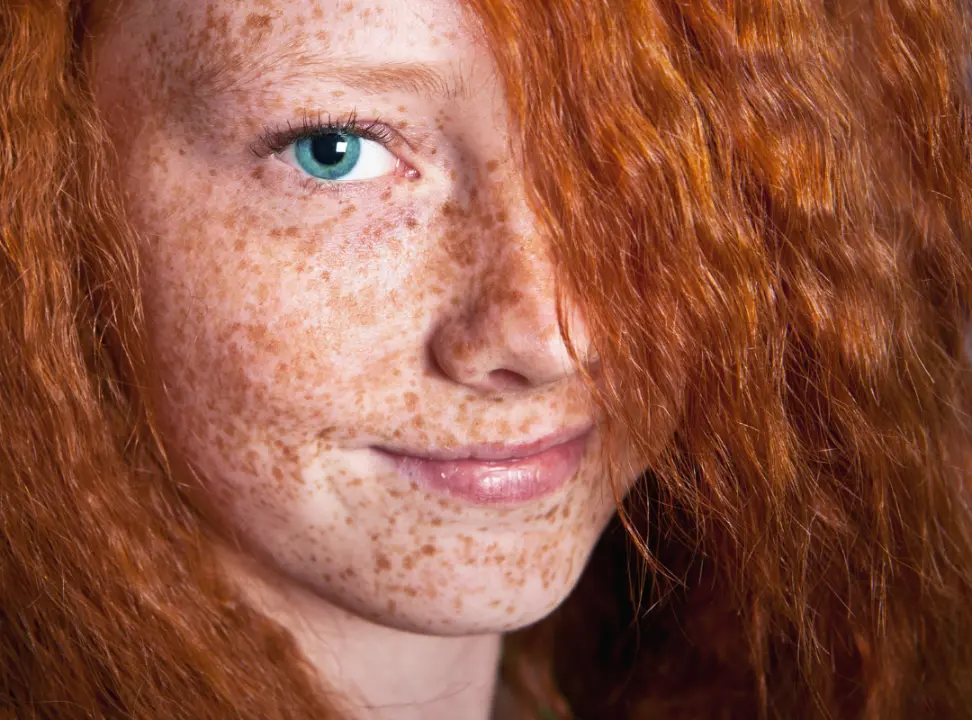
Melanin is the pigment that gives your skin its color. When melanocytes, the pigment-producing cells, become more active, they create clusters of pigment. This process leads to freckles. Unlike raised skin lesions, freckles stay flat. They blend into the surrounding skin, which makes them different from other skin discolorations like age spots or solar lentigines.
The Role of Melanin
Your body controls skin color through melanin production. When your skin receives sunlight, it tries to protect itself from UV radiation. It does this by producing more melanin and removing facial pigmentation.
In people with fair skin or a fair complexion, this process works a bit differently. Their skin produces less melanin overall. So instead of forming an even tan, the pigment gathers in small patches. That is how freckles develop. People with darker skin already have more melanin spread evenly. So they rarely develop freckles in the same way. Their skin responds to sun exposure with a deeper, even tone instead of pigmented spots.
Sun Exposure & Freckles
Sun exposure plays a major role in what causes freckles. When UV light hits the skin, it activates melanocytes. These cells increase melanin production to protect the skin from sun damage.
Repeated sun exposure makes freckles more visible. That is why you often notice more freckles during the summer months. In contrast, freckles fade during the winter months when sunlight exposure drops.
Freckles usually appear on sun-exposed areas like the face, arms, shoulders, and chest. These areas receive the most UV exposure throughout life. Even on cloudy days, UV radiation still reaches your skin. So, freckles can develop without direct sunlight as well.
Are Freckles Written in Your DNA?
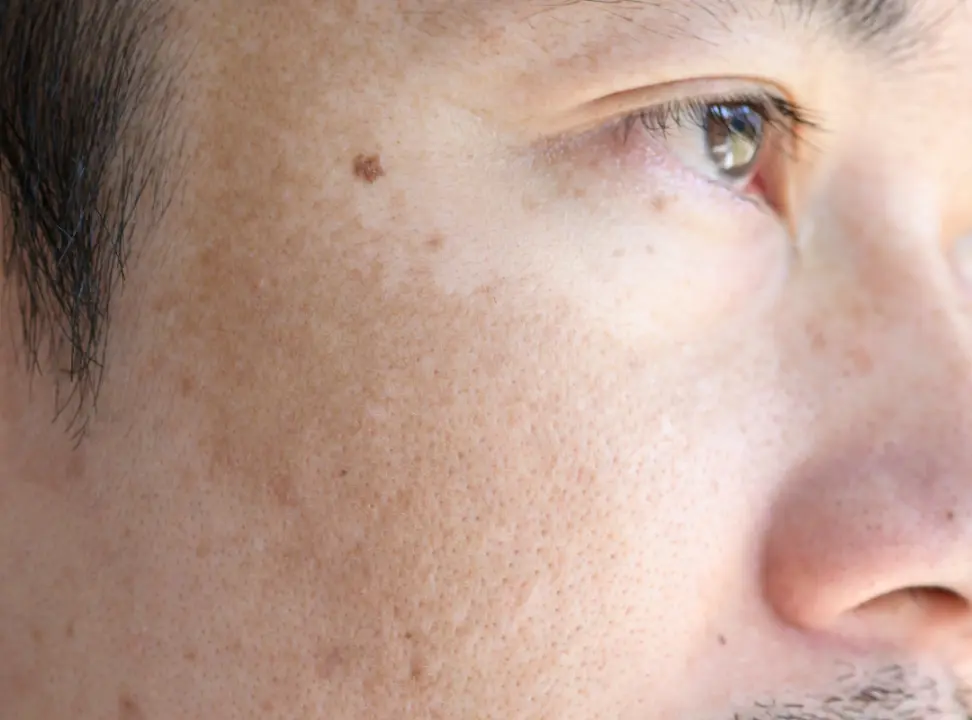
Genetics plays a strong role in whether you get freckles. If you have a family history of freckles, you are more likely to develop them. A specific gene often linked to freckles also connects to red hair and light skin. People with this gene tend to have less melanin and a higher sensitivity to UV exposure.
This genetic trait means your skin responds quickly to sunlight. Instead of tanning evenly, it forms freckles. So yes, freckles can be both natural and inherited. You may already have the genetic blueprint, but sun exposure brings those dark spots to the surface.
Why Some People Get More Freckles Than Others
Not everyone develops freckles in the same way. Several factors influence how many freckles appear:
- Skin type plays a big role. Fair skin tends to freckle more easily.
- Hair color matters. People with red hair or lighter hair often show more freckles.
- UV exposure levels affect how freckles form over time.
- Genetics determines how your melanocytes behave.
Some people notice new freckles appearing after spending more time in the sun. Others may see very few changes even after repeated sun exposure. The good news is that this facial pigmentation can be treated, sometimes.

Freckles vs Sun Spots & Age Spots
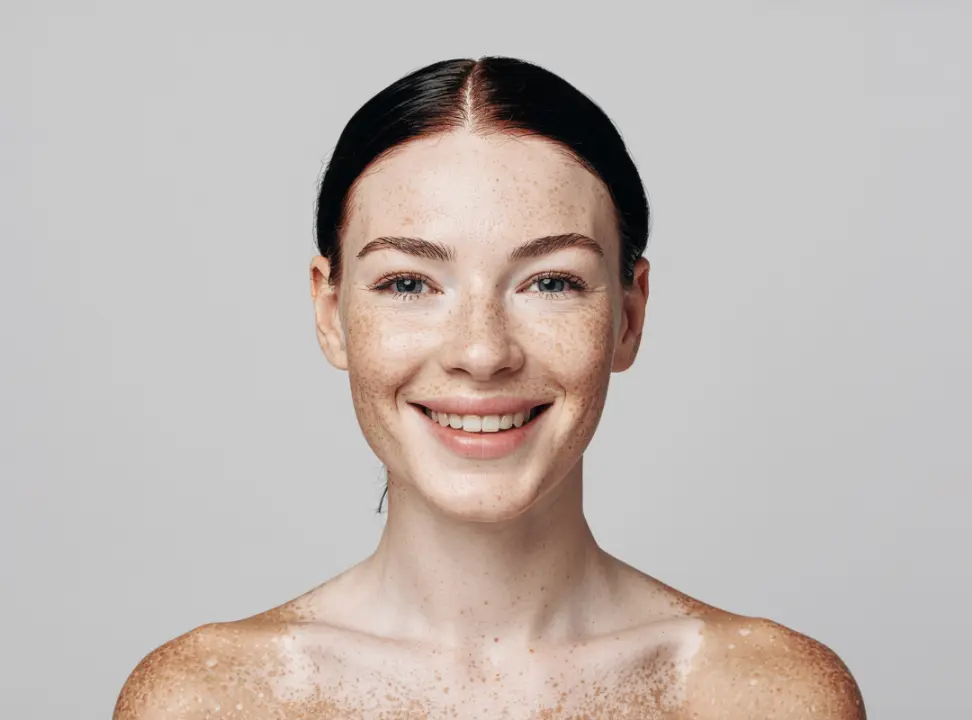
Many people confuse freckles with other pigmented spots like sun spots or age spots. While they may look similar, they differ in how they form. Freckles develop due to increased melanin in response to UV exposure. They often fade when sun exposure reduces.
Sun spots, also called solar lentigines, result from long-term sun damage. These spots tend to stay visible and do not fade easily.
Age spots usually appear later in life and signal accumulated UV exposure over time. Understanding this difference helps you decide whether your skin condition requires chemical peel treatment or simple care.
Can You Get Freckles Naturally Over Time?
Yes, you can get freckles naturally, especially with more sun exposure. Even if you did not have freckles as a child, they may appear later in life.
Your skin continues to respond to UV light throughout your life. So, freckles can develop at any stage, especially in areas exposed to the sun. However, genetics still sets the stage. If your skin lacks the genetic tendency, freckles may not form easily.
Do Freckles Pose Any Health Risks?
Freckles themselves do not cause harm. They are harmless pigmented spots and do not require treatment. However, they signal that your skin has experienced UV exposure. That matters because too much UV radiation increases the risk of skin cancer.
So while freckles do not turn into cancer, they act as a reminder to protect your skin. Pay attention to any unusual changes, such as irregular shape, rapid growth, or redness. If you notice anything unusual, you should opt for med spa treatments. A dermatologist can evaluate your skin.
How to Prevent Freckles from Getting Darker
You cannot completely stop freckles if genetics plays a role. But you can prevent freckles from becoming darker or more noticeable.
Here are simple steps that work:
- Use broad-spectrum sunscreen every day
- Wear a wide-brimmed hat outdoors
- Limit sun exposure during peak hours
- Protect areas exposed like arms, face, and chest
- Reapply sunscreen even on cloudy days
These habits help control melanin production and reduce new freckles.
Can You Fade or Remove Freckles?
Some people prefer to fade freckles for a more even skin tone. While freckles often fade naturally, certain treatments can speed up the process.
Dermatologists may suggest:
- Chemical peels using glycolic acid
- Laser treatments to target pigment
- Liquid nitrogen for specific spots
- Prescription creams to reduce melanin production
These treatments focus on the top layer of the skin where pigment sits. However, results vary in the case of treatments like IPL skin rejuvenation. Freckles may return if sun exposure continues. So sun protection remains essential.
Why Your Skin’s Response Matters More Than You Think
Your skin responds to sunlight as a defense system. Freckles form as part of that natural process.
They show how your body protects itself from UV damage. Instead of seeing freckles as flaws, it helps to understand their role. Each freckle tells a story about your skin type, genetics, and exposure to sunlight over time.
A Natural Mark of Your Skin’s Story
Freckles are small, but they carry a lot of science behind them. From melanin production to genetics and UV exposure, many factors come together to create these pigmented spots.
Some people develop freckles early in life, while others notice them later. Some want to fade them, while others embrace their natural appearance. At the end of the day, freckles reflect how your skin interacts with the world around you. And that makes them more than just simple brown spots.
The Real Story Behind Freckles with Skin Artistry Clinic
Freckles form when your skin produces more melanin in response to UV exposure, especially in people with lighter or more sensitive skin types. While they’re harmless and often genetic, sun exposure can make them more visible over time and even deepen pigmentation in surrounding areas.
Skin Artistry Clinic treats the unwanted effects of freckles. If freckles or uneven pigmentation are something you want to reduce, our treatments like IPL photofacials for pigmentation correction, chemical peels for surface renewal, and laser-based skin treatments for targeted discoloration can help create a more balanced complexion without stripping your skin’s natural character.
Contact us today and book a consultation.
Frequently Asked Questions
If you are exploring freckles, treatments, or skin care options, here are some common questions people often ask when considering professional help:
Q1. Can Skin Artistry Clinic in Alamo, CA help fade freckles safely?
A: Yes, Skin Artistry Clinic offers professional treatments like chemical peels and advanced skin care solutions that help reduce the appearance of freckles while keeping your skin healthy.
Q2. Does Skin Artistry Clinic provide treatments for sun spots and age spots as well?
A: The clinic treats various skin discolorations, including freckles, sun spots, and solar lentigines, using customized treatment plans based on your skin type.
Q3. What kind of skincare routine does Skin Artistry Clinic recommend to prevent freckles?
A: They usually suggest daily use of broad-spectrum sunscreen, gentle exfoliation, and medical-grade skincare products that control melanin production.
Q4. Is it necessary to see a dermatologist at Skin Artistry Clinic for freckles?
A: Freckles do not require treatment, but a consultation helps if you want to improve skin tone or check for any unusual pigmented spots.
Q5. Can Skin Artistry Clinic treat sensitive or fair skin with freckles?
A: Yes, the clinic designs treatments specifically for fair skin and sensitive skin types to ensure safe and effective results without irritation.