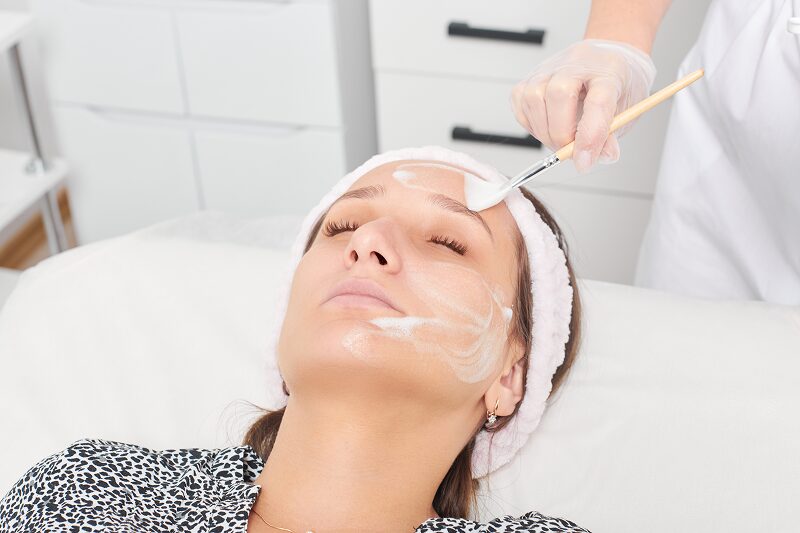
A chemical peel treatment uses a carefully selected chemical solution to remove layers of damaged skin, encouraging new skin growth and improved skin texture. The process begins with cleansing your treatment area, followed by applying the peeling agent. This peeling agent is a chemical solution, such as glycolic acid, salicylic acid, lactic acid, trichloroacetic acid (TCA), or carbolic acid (phenol), used depending on your skin concerns and goals.
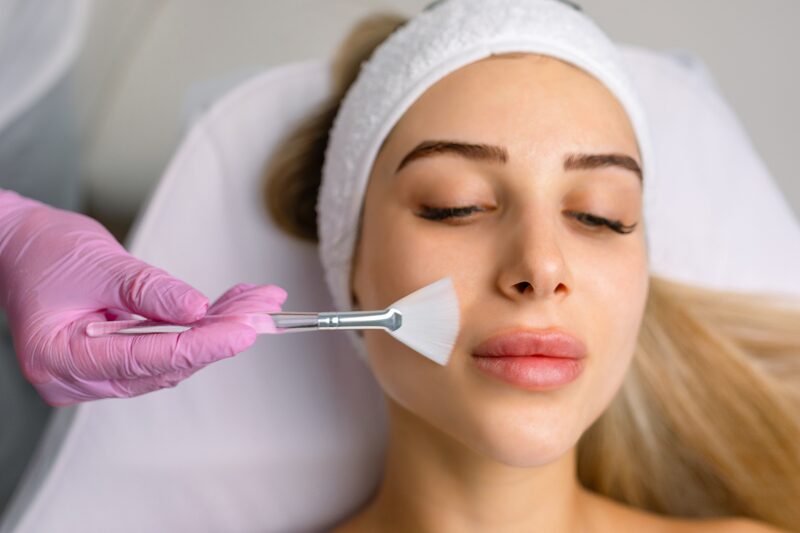
The depth of the peel: light, medium, or deep, determines how many skin cells are removed and how much skin regeneration occurs afterward.
Light or superficial peels target the outermost skin layer using mild agents like glycolic, lactic, or salicylic acid. They’re ideal for uneven skin tone, oily skin, mild sun damage, and fine lines. These gentle peels require minimal downtime, so you can resume normal activities or even wear makeup the next day.
Medium-depth peels, usually TCA-based, reach the upper dermis. The controlled injury there triggers new collagen, which lifts shallow acne scars and softens moderate wrinkles. Expect redness and peeling for 7 to 14 days, followed by brighter, smoother skin.
For more advanced concerns such as deep wrinkles, acne scarring, and significant sun damage, deep chemical peels with phenol-based solutions deliver transformative, long-lasting results. These treatments require more recovery time and should only be performed by experienced professionals who make sure each peel is safe for your skin type and goals.
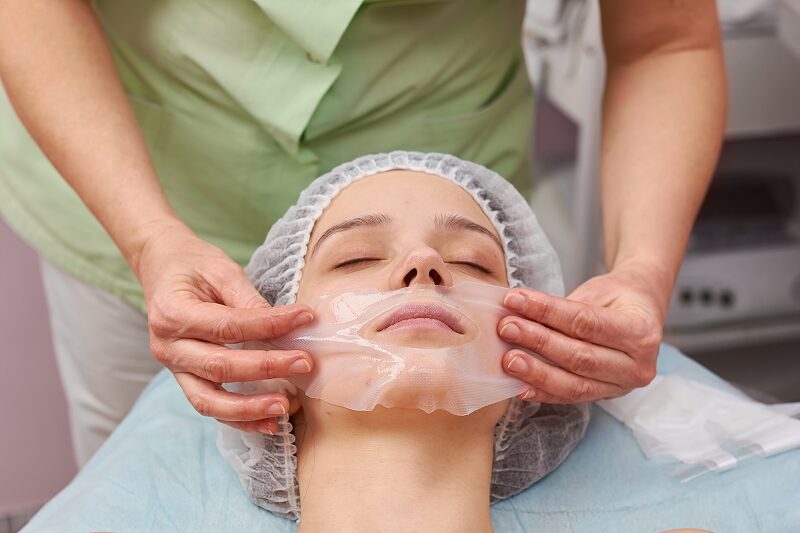
At Skin Artistry Clinic, every chemical peel is personally performed by Dr. Faiqa Chaudhry, MD, a board-certified practitioner with extensive experience in medical aesthetics. Your treatment begins with a professional skin assessment, followed by a thorough cleansing and the careful application of a customized chemical solution suited to your skin type and concerns.

To achieve optimal results and maintain your healthy glow, follow these care tips after your peel:
With good aftercare, your skin resurfacing results can last long beyond winter.
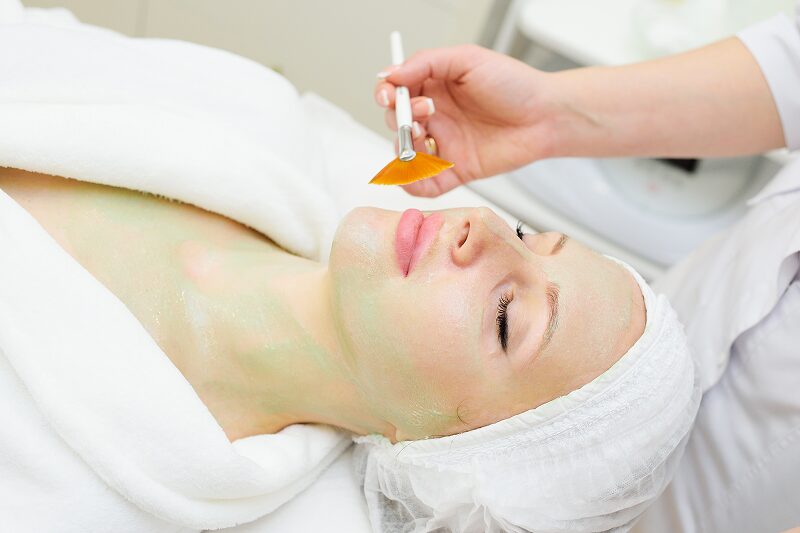
By choosing chemical peels for winter weather in Walnut Creek, CA, you give your skin a chance to reset during the season with the least sun exposure. The benefits of a chemical peel include:
Yes. Winter’s lower UV levels protect freshly peeled skin, which burns and darkens easily for several weeks after treatment. Shorter days and more time indoors also make daily sun protection easier to keep up while you heal.
Yes. Cover treated skin with a scarf, apply a thick, fragrance-free moisturizer before heading out, and wear SPF 30. Cold wind dries healing skin and makes peeling feel tighter, so limit long exposure during the first week.
Light peels heal in 1 to 7 days with mild flaking. Medium peels take 7 to 14 days, with redness and visible peeling. Deep phenol peels need 2 to 3 weeks to heal, and pinkness lasts for several months.
A lactic acid peel is best for dry winter skin. Lactic acid lifts flaky dead cells like other alpha hydroxy acids, and it also draws water into the skin, so it exfoliates without the tight, stripped feeling of stronger acids.
Light peels are repeated every 2 to 5 weeks, so a series of 3 to 6 sessions fits between November and March. A medium peel is a single treatment, repeated after 6 to 12 months for maintenance.
Please fill in the form below to book an appointment
