
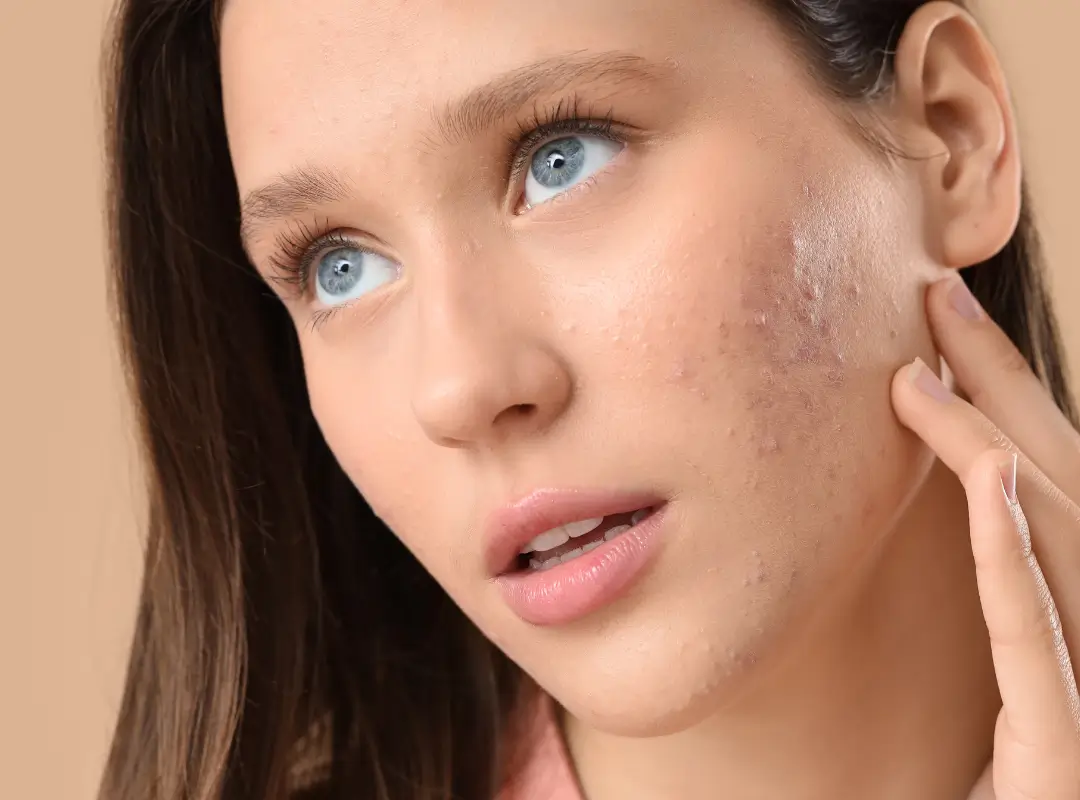


Acne pustules pop up at the worst possible times and can make you want to hide your face. But what exactly are these pus-filled spots, and why do they happen? Whatever it is, it isn’t a dirty skin myth. So, understanding acne pustules is the first step toward treatment and prevention.
This guide will break down everything you need to know about this common skin condition. We’ll cover what causes them, how they differ from other types of acne, and the most effective ways to treat them.
What Are Acne Pustules?
An acne pustule is a type of inflammatory acne. You’ll recognize it as a small red bump, often tender to the touch, with a white or yellowish center filled with pus. That center is a key identifier, distinguishing it from other pimples like papules or blackheads.
So, how do they form? It’s a multi-step process that starts deep within your skin.
Blocked Hair Follicles
Your skin is covered in tiny pores, which are openings to hair follicles. These follicles connect to sebaceous glands (or oil glands) that produce an oily substance called sebum. Sebum’s job is to keep your skin and hair moisturized.
Excess Oil & Dead Skin Cells
Sometimes, these glands produce excess oil. This oil can mix with dead skin cells and clog the pore. This initial clog creates a perfect environment for bacteria to grow.
Bacteria Joins the Party
A specific type of bacteria, Propionibacterium acnes (P. acnes), lives on our skin naturally. This same inflammatory process is why acne gets worse before it gets better.
The Immune Response
Your body recognizes this bacterial overgrowth as an infection. It sends white blood cells to fight it off. This battle leads to inflammation and the creation of pus. The result? A visible pustule with its signature white tip.
Acne Pustules vs. Acne Papules
In short, they are different stages of inflammatory acne.
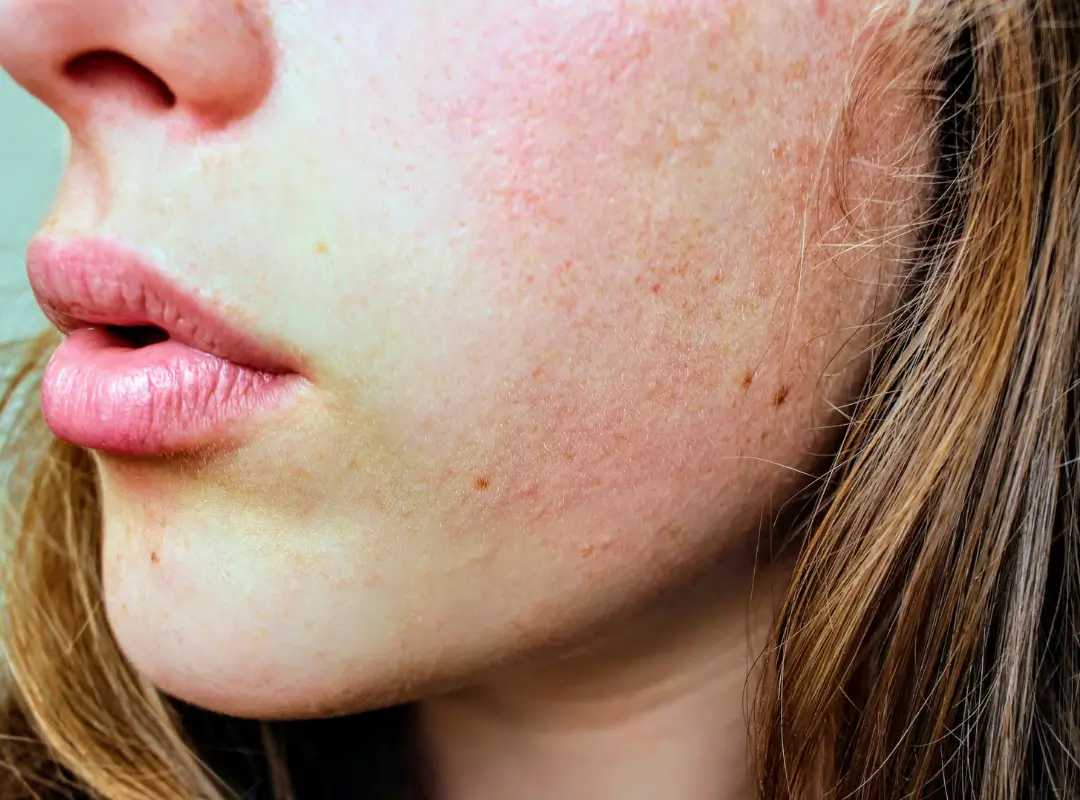
- Acne Papules: They are small red bumps that feel tender or sore. A papule is essentially a clogged pore that has become inflamed, but it hasn’t filled with pus yet.
- Acne Pustules: When a papule continues to be attacked by the immune system, it fills with pus, developing that classic white or yellow center. In short, a pustule is a papule that has progressed.
Think of it this way: papules are the inflamed warning sign, while pustules are the fully-formed, pus-filled pimples.
What Causes & Can Worsen Acne?
It’s rarely just one thing, but often a combination of influences.
- Hormonal Changes: Hormones, particularly androgens, can ramp up sebum production. This is why acne is so common in young adults undergoing hormonal shifts during puberty.
- Family History: If your parents had severe acne, you might be more prone to it. A family history of skin diseases can increase your likelihood of dealing with this skin condition.
- Diet: While the link is still being researched, some studies suggest that high-glycemic foods (like sugar and white bread) and dairy products may trigger breakouts in some individuals.
- Stress: When you’re stressed, your body produces more cortisol, a hormone that can signal your oil glands to produce more sebum. The result? More clogged pores.
It’s important to bust a common myth: acne is not caused by poor hygiene. In fact, scrubbing your face too hard can cause further irritation and make symptoms worse. Similarly, sexual activity does not cause or worsen acne.

Finding the Right Acne Treatment for Pustules
Now for the important part: how to get rid of them. The right acne treatment depends on the severity of your breakouts. What works for mild acne may not be enough for a more severe form.
Topical Treatments
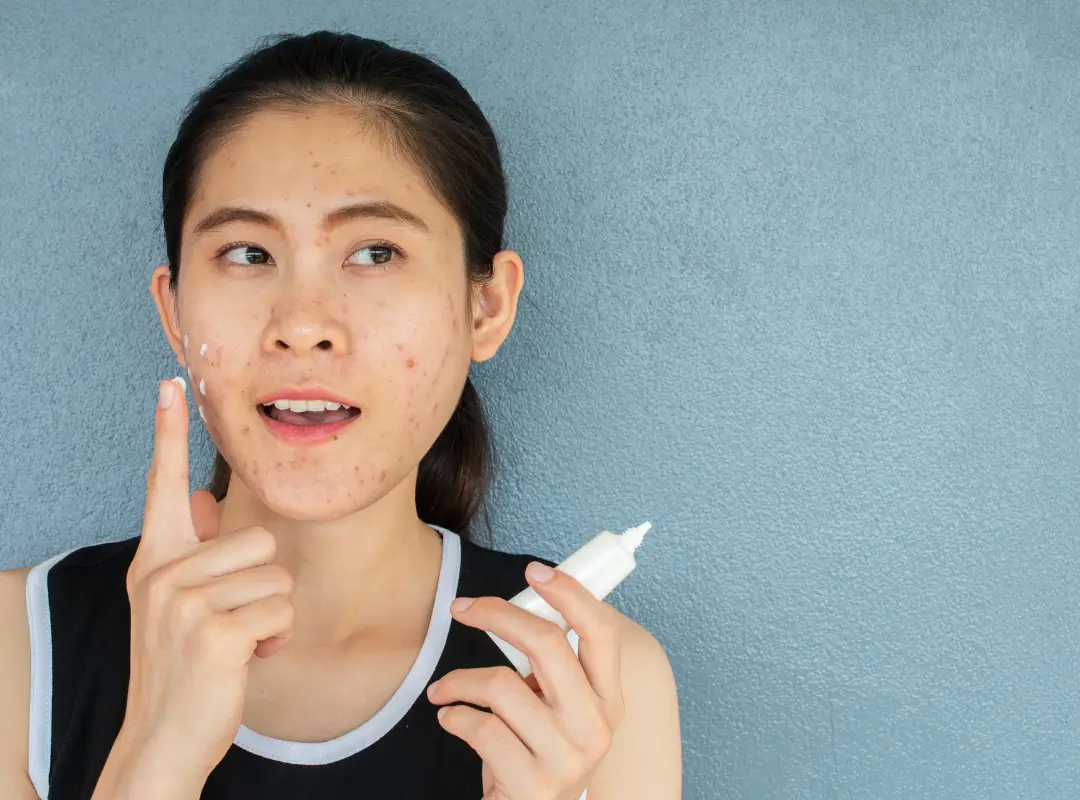
For many people, over-the-counter (OTC) topical treatments are a great starting point. When over-the-counter options are not enough, professional skincare treatments in Moraga, CA, may be needed to properly control inflammatory acne. These are applied directly to the affected skin.
Look for products containing these key ingredients:
- Benzoyl Peroxide: It’s available in various strengths, from 2.5% to 10%. It’s often recommended to start with a lower concentration to avoid irritation, especially if you have sensitive skin.
- Salicylic Acid: Salicylic acid is excellent for treating blackheads and whiteheads, but is also effective for pustules.
- Sulfur: Often found in masks and spot treatment products, sulfur helps draw out oil and dry up the surface of the skin. It has natural anti-inflammatory and antibacterial properties.
For deeper exfoliation beyond home care, patients explore medical-grade skin peels in Alamo, CA, to clear clogged pores.
Seek Medical Attention for Severe Acne Pustules
A dermatologist may recommend prescription medications:
- Prescription Topical Treatments: These include stronger retinoids (like tretinoin), higher-strength benzoyl peroxide, or topical antibiotics.
- Antibiotic Pills: For moderate to severe inflammatory acne, oral antibiotics like doxycycline or minocycline can help with bacteria and fight inflammation from the inside out. Sometimes, acne may come back after doxycycline treatment.
- Hormonal Therapies: For women whose acne is tied to hormonal changes, certain birth control pills or spironolactone can be very effective.
- Isotretinoin: This powerful oral medication addresses all four causes of acne: excess oil production, clogged pores, bacteria, and inflammation.
Are Home Remedies a Good Idea?
While some natural ingredients can be beneficial, many can do more harm than good.
- Things to Avoid: Applying things like toothpaste or pure lemon juice to your skin can cause significant irritation and dryness. This will definitely make your acne worse.
- Gentle Home Remedies: Applying a cold compress can help reduce inflammation and pain from a tender pustule. Tea tree oil, known for its antibacterial properties, can be used as a spot treatment when properly diluted.
The most effective “home” strategy is a solid skincare routine. Use a mild soap or gentle cleanser, wash with lukewarm water (not hot water), and pat your skin dry. For lingering texture and marks, procedures like RF microneedling in Alamo, CA, may be recommended after active acne settles.
Remember: Don’t scrub! This helps to avoid irritation on the surrounding skin.
The Takeaway
The key here is: Understanding what’s happening beneath your skin and choosing the right approach for your specific needs. Remember to be patient and kind to your skin. Breakouts don’t define you, and with the right treatment and care, you can achieve clearer, healthier skin.
Feel Better, Faster with IV Vitamin Therapy
Want to get rid of those stubborn acne pustules? Sometimes your body needs more than water and a good night’s sleep. That’s where IV Vitamin Therapy at The Skin Artistry Clinic comes in. No waiting around, no guesswork – just the best treatment for acne. Book your IV therapy session today and give your body the reset it deserves.