
Does Peeling After Sunburn Remove Tan?
What Happens to Your Skin After Sun Exposure
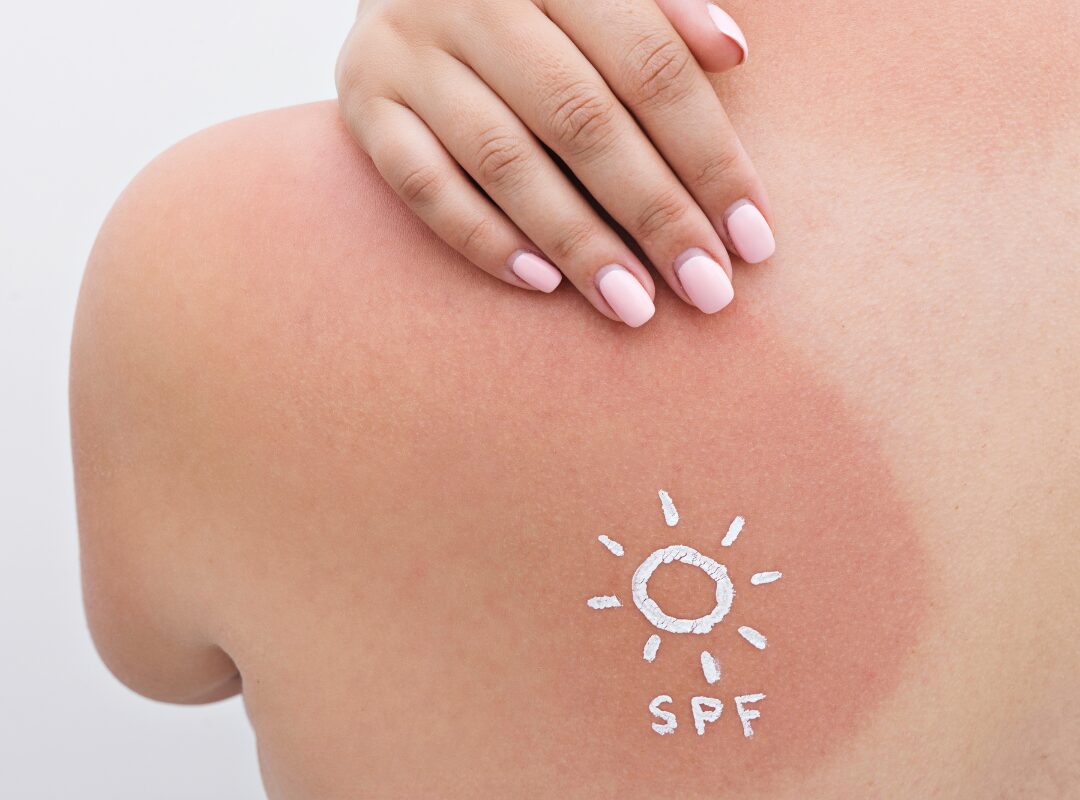
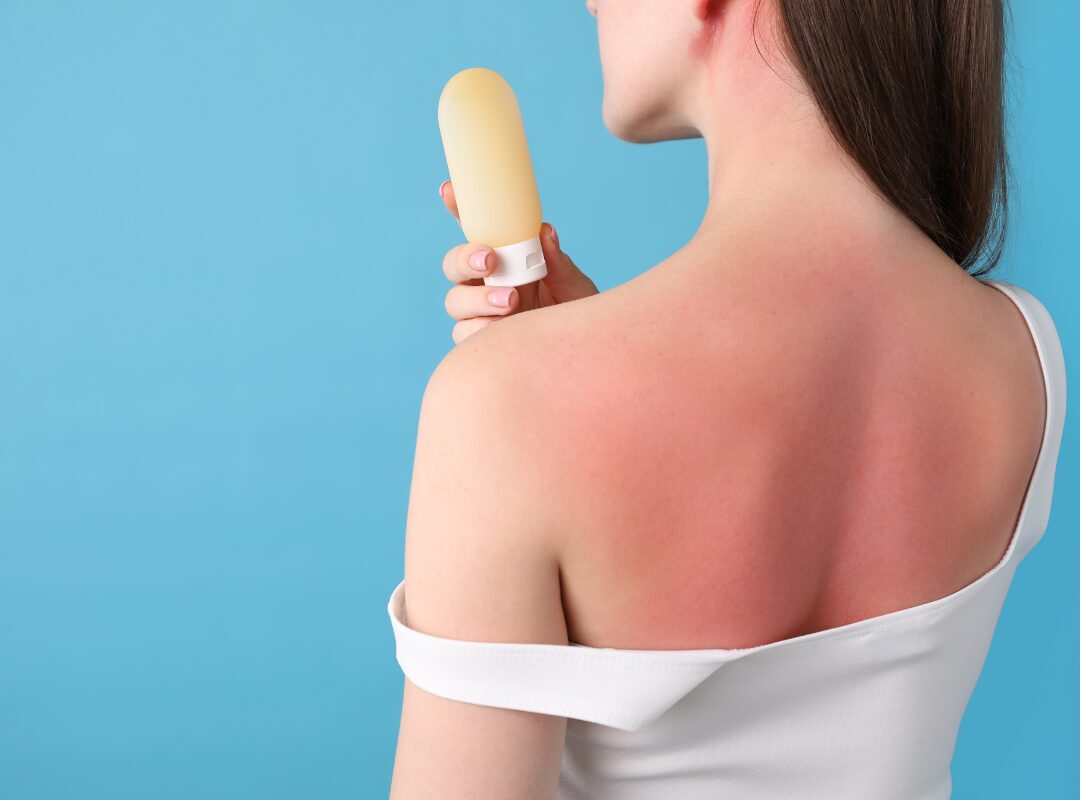
Does Peeling Actually Remove the Tan?
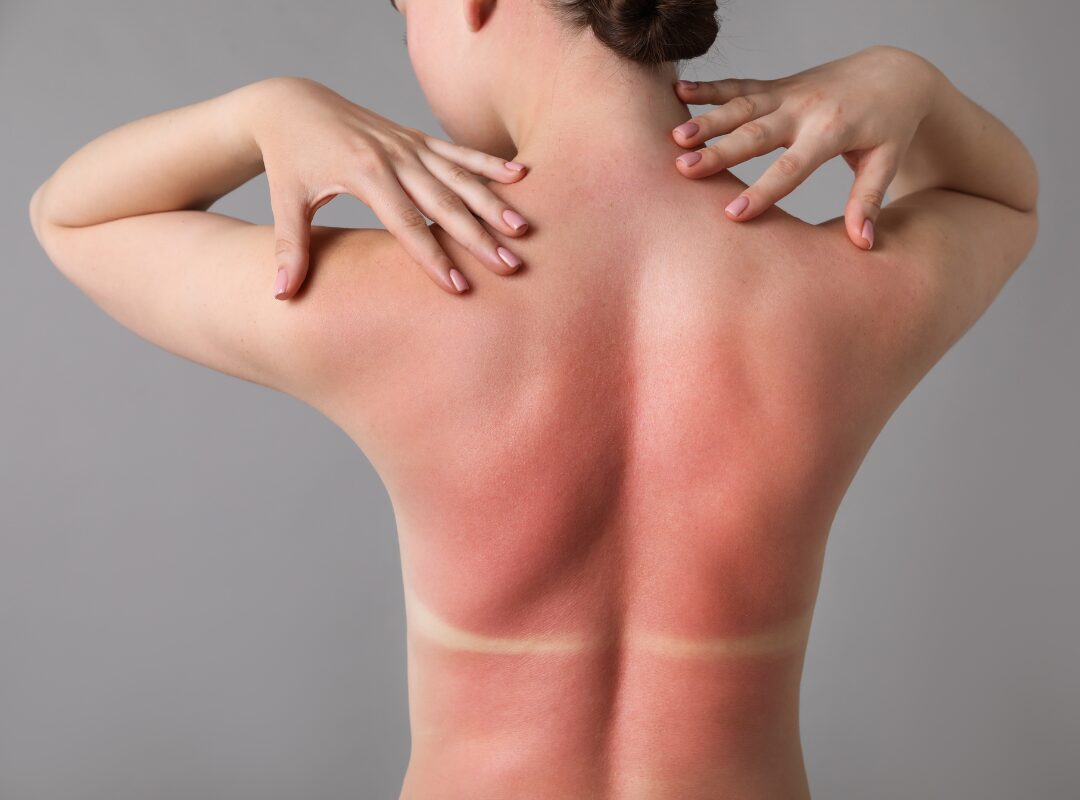
You will notice your skin tone lightens somewhat after a peeling sunburn, but the results vary depending on:
- Skin tone
- The intensity of UV radiation received
- Your skin regeneration speed
Should You Peel the Skin Yourself?
This is a question worth addressing directly. The answer is NO.
You should not forcibly remove dead skin cells by picking or peeling them off. As satisfying as it might seem, pulling at peeling skin before it is ready can:
- Disrupt the skin barrier
- Expose raw and irritated skin underneath
- Introduce bacteria that can lead to infection
It can also interfere with skin regeneration and leave behind uneven pigmentation or scarring. Instead of doing that, the best approach is to let the peeling happen naturally. Our body knows how to skin heal on its own schedule, and interfering with that process tends to make things worse.
Want to gently encourage shedding? A mild, fragrance-free exfoliant used once peeling has mostly concluded can help clear away any lingering dead skin without irritating the new skin cells below.
How to Treat Peeling Skin Safely
The Role of the Skin Barrier in Recovery
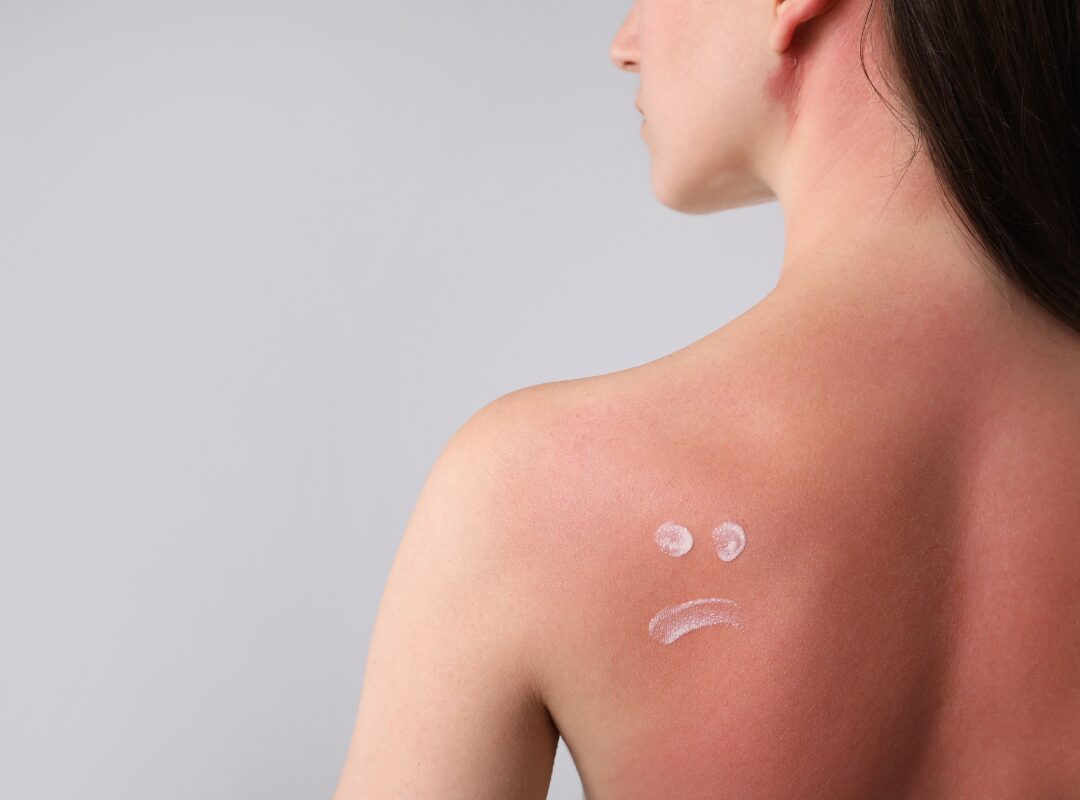
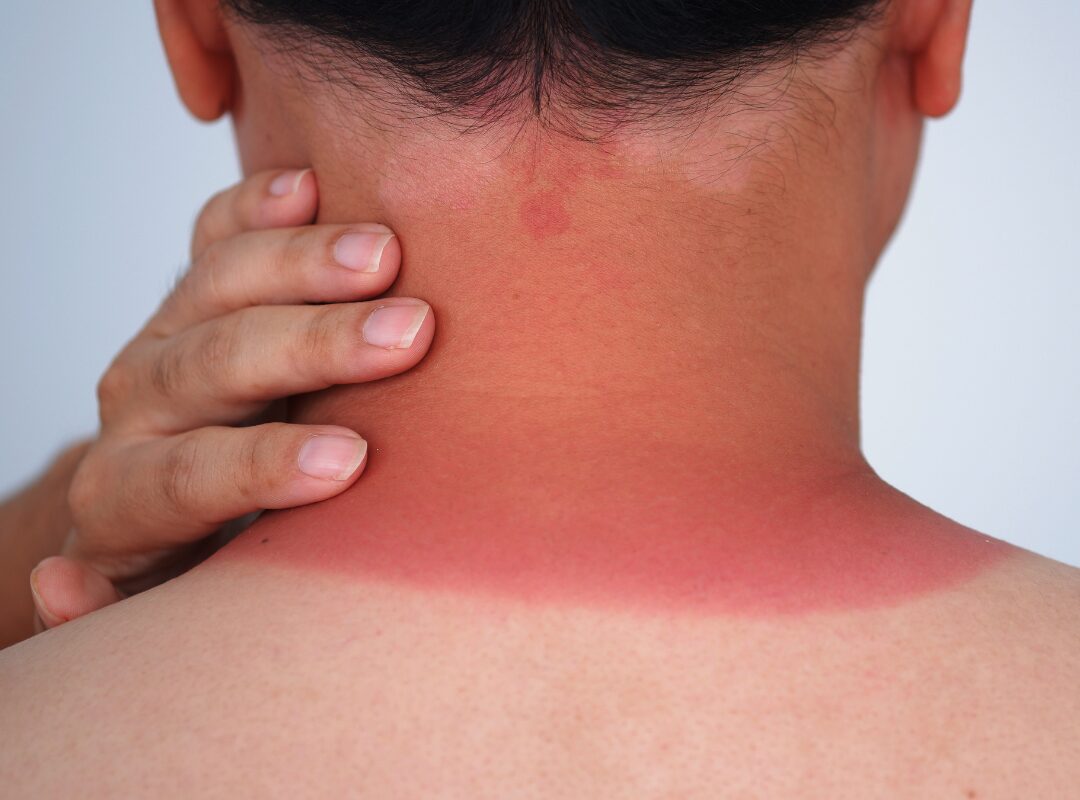
Sun Exposure, UV Rays, & Skin Cancer Risk
How to Protect Your Skin Going Forward
Conclusion
The melanin deposited deeper in your skin during sun exposure persists beyond the peeling phase. More importantly, a peeling sunburn is a clear signal that UV rays have caused real skin damage, which carries long-term implications, including an increased risk of skin cancer.
The focus should not be on whether the tan fades, but on how to:
- Properly treat peeling skin
- Restore the skin barrier
- Protect your skin from future UV radiation with a good broad-spectrum sunscreen
Visit Skin Artistry Clinic for Advanced Skin Treatments
Dealing with the lingering effects of skin damage, sun-stressed skin, or uneven skin tone from repeated sun exposure? Professional treatments can actually make a difference where home remedies fall short.
Skin Artistry Clinic, led by the expert hands of Dr. Faiqa Chaudhry, MD, offers a curated selection of medical-grade solutions for damaged skin and restores healthy skin.
Hydrafacial treatments and medical-grade skincare lines complete the options for patients who want to keep their skin hydrated and protected. If your skin has been affected by sun damage, book a consultation with Dr. Faiqa Chaudhry, MD at Skin Artistry Clinic today—because healthy skin is always worth the investment.
Frequently Asked Questions
Q1. Does peeling after sunburn remove tan completely?
A: No, peeling skin after a peeling sunburn does not remove the tan completely. The dead skin cells on the surface shed away during peeling, which may lighten the skin tone slightly, but melanin deposited in deeper layers of the skin through UV radiation remains.
Q2. Is it safe to exfoliate sunburned skin while it is peeling?
A: No, it is not safe to manually exfoliate or pick at sunburned skin while it is actively peeling. Doing so can damage the skin barrier, expose raw and irritated skin, and disrupt skin regeneration. It is best to let dead skin cells shed naturally and only use a very gentle exfoliant after the peeling phase has mostly concluded. Focus first on keeping skin moisturized and using aloe vera gel to soothe sunburned skin.
Q3. What is the best way to treat peeling skin after a sunburn?
A: The best way to treat peeling skin is to keep the area well-hydrated with a fragrance-free moisturizer, apply aloe vera gel regularly to soothe sunburned skin, drink plenty of water, and avoid hot showers or harsh cleansers. Protecting the healing skin from further UV rays with a broad-spectrum sunscreen is also critical, as newly exposed skin cells are more vulnerable to UV radiation and skin damage.
Q4. Can repeated sunburns increase skin cancer risk?
A: Yes, repeated sun exposure that results in sunburned skin significantly raises skin cancer risk. Each instance of severe skin damage from UV light alters the DNA in skin cells in ways that accumulate over a lifetime. Skin cancer is one of the most serious consequences of prolonged UV radiation exposure, and dermatologists recommend using a broad-spectrum sunscreen consistently and limiting unprotected sun exposure to protect your skin from this risk.
Q5. Where can I get professional skin treatments for sun damage in Danville, California?
A: If you are in the Danville area and need expert care for sun-stressed skin or skin damage, Skin Artistry Clinic, under the direction of Dr. Faiqa Chaudhry, is an excellent facility. We offer advanced treatments, including IPL Skin Rejuvenation “Photofacial”, Medical Grade Skin Peels, RF Microneedling, Hydrafacial, and more.